
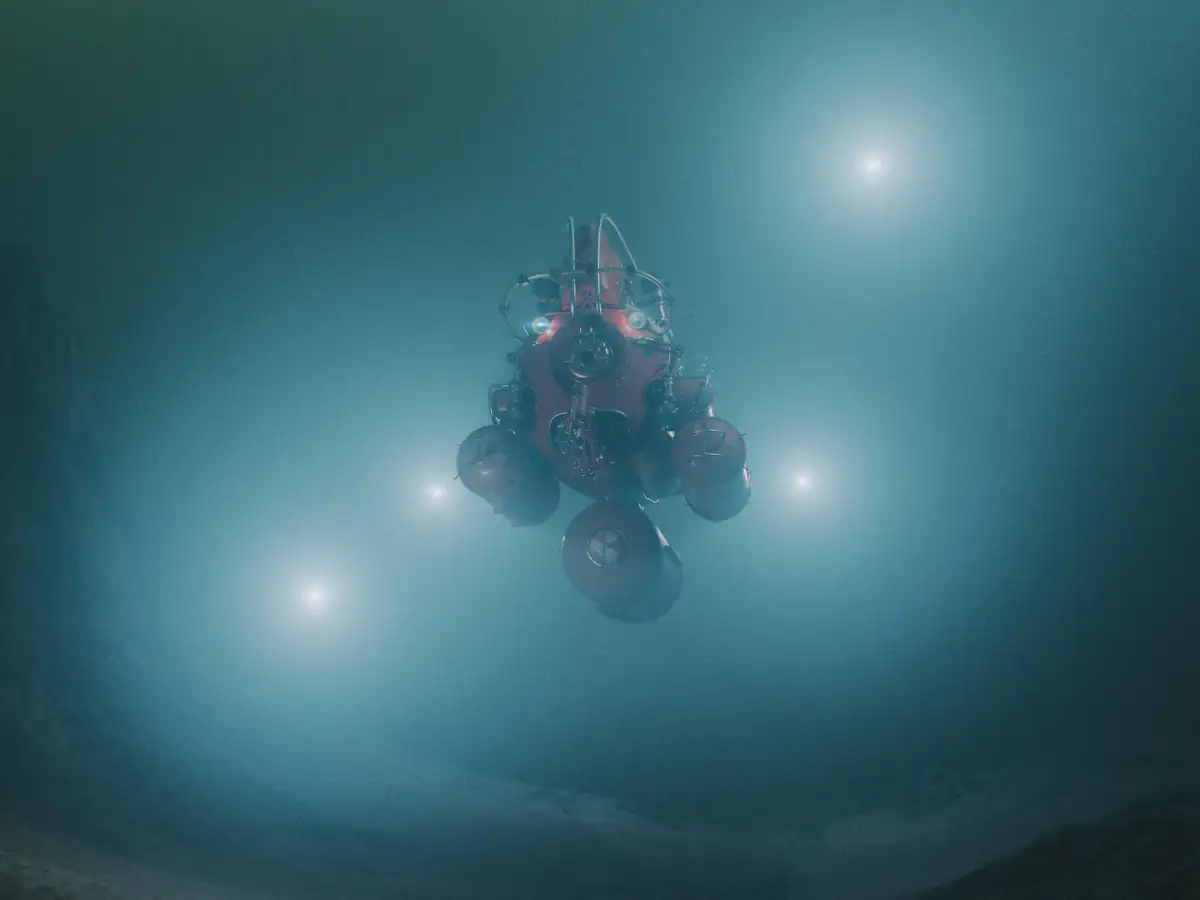
A vast reserve of hidden gold has been identified deep beneath the Pacific Ocean off the coast of Japan, with scientists reporting the highest concentration of "invisible gold" ever recorded in this type of seafloor deposit. The discovery, made in an active underwater volcanic region, has renewed interest in the commercial potential of deep-sea mining while also raising fresh environmental concerns.
According to a study published in the journal Scientific Reports , as cited by The Times of India (TOI), much of the gold is not visible to the naked eye or even under conventional microscopes. Instead, it is locked inside pyrite, commonly known as "fool's gold", in microscopic and atomic forms that can only be detected using advanced laboratory techniques.













