Get all your news in one place.
100's of premium titles.
One app.
Start reading
The Conversation
The Conversation
Christina Polomoff, Assistant Clinical Professor of Pharmacy Practice, University of Connecticut

Scientists at Work: How pharmacists and community health workers build trust with Cambodian genocide survivors

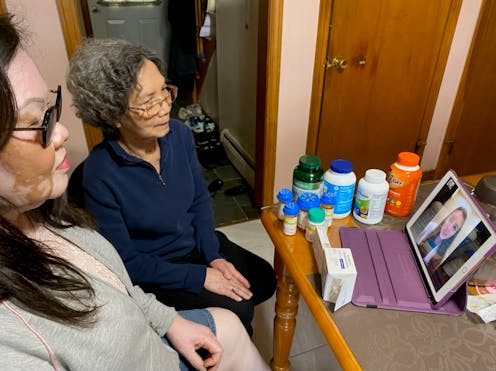
Community health workers assist patients as they gather their medications and supplements to discuss them during remote visits with pharmacists. Photo courtesy of Khmer Health Associates

Wartime trauma paired with starting over in a new country make getting health care particularly challenging for immigrant refugees. Talking to a doctor or getting prescriptions filled in an unfamiliar language is hard enough. But for refugees, the physical and psychological scars of escaping war or genocide can complicate their health needs and getting them met.

I am a clinical pharmacist trained in improving medication safety and effectiveness in the outpatient setting. Starting in 2019, I was with a team of pharmacists serving Cambodian American patients in Connecticut and Rhode Island. I spent 15 months there studying the role of pharmacists and community health workers in helping disadvantaged immigrants get medications they need and learn to take them consistently and safely.

Sign up to read this article
Read news from 100's of titles, curated specifically for you.
Already a member? Sign in here
Related Stories
Top stories on inkl right now
One subscription that gives you access to news from hundreds of sites
Already a member? Sign in here
Our Picks
Fourteen days free
Download the app
One app. One membership.
100+ trusted global sources.