
Glow-in-the-dark plants sound like something pulled straight out of a sci-fi dream, but they have exploded across online marketplaces with bold claims and mesmerizing photos. Electric-blue roses, neon-green vines, and flowers that appear to light up the night sky promise something magical, something otherworldly, something impossible to ignore. That visual punch grabs attention instantly, and it pulls in curious buyers who want a piece of that glow for their own gardens or homes. But behind those glowing images sits a much less dazzling reality that deserves a closer look. Those plants rarely deliver what they promise, and in some cases, they introduce real problems for the environment.
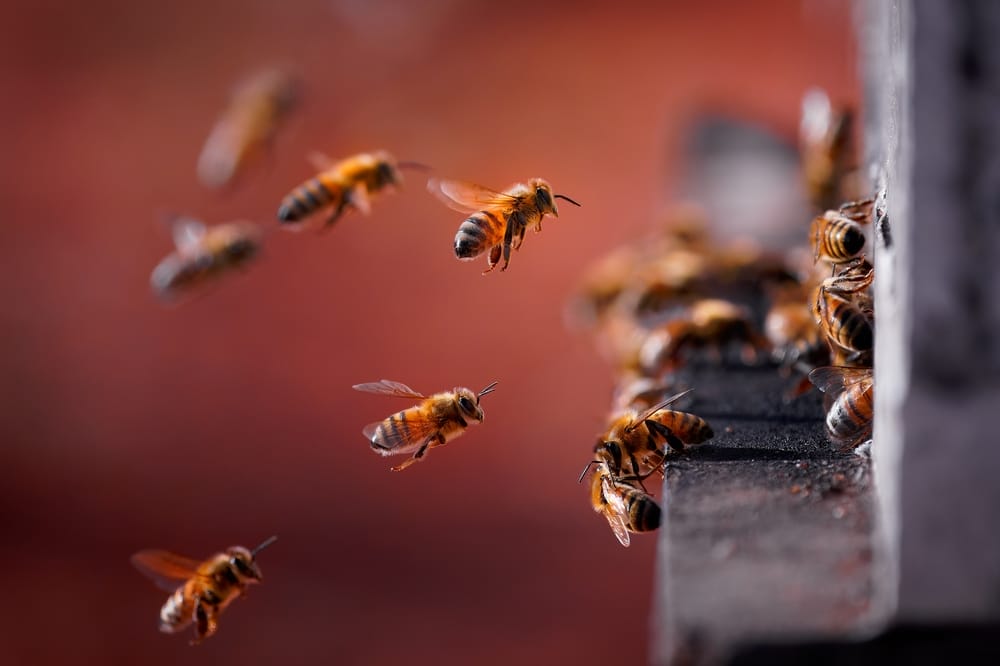
The issue goes far beyond disappointment or wasted money. These so-called “bioluminescent” plants often involve dyes, chemical treatments, or misleading marketing that disrupt natural plant behavior and confuse the delicate systems that pollinators rely on every day. Bees, butterflies, and other insects don’t just visit flowers randomly; they respond to very specific signals, including color, scent, and light patterns. When those signals get altered in unnatural ways, the consequences ripple outward quickly. What starts as a viral trend can turn into a quiet ecological disruption, and that shift turns a flashy online purchase into something far more serious.













