
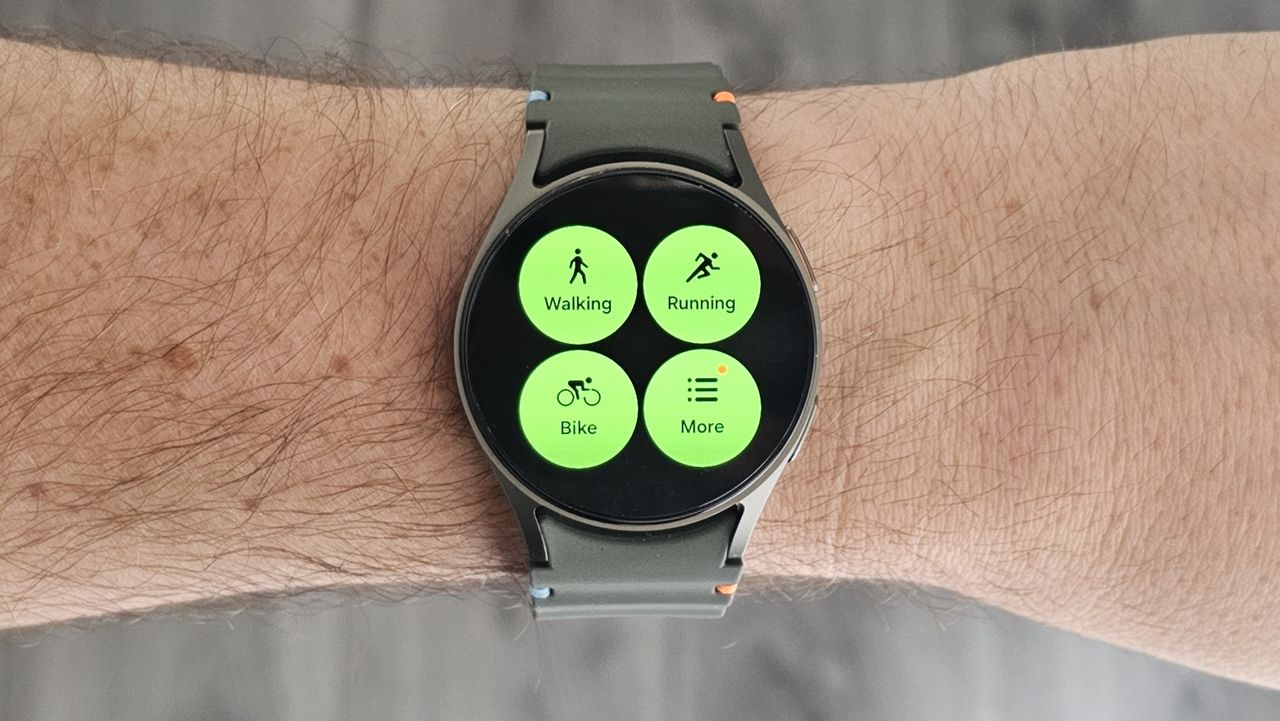
Over the last few years, wearable health tracking has managed to get pretty damn good at the basics, from flagging sketchy sleep to keeping an eye on your resting heart rate, and even nudging you to move if you've been on the sofa too long. Some devices can even warn you about things like irregular rhythms or high blood pressure trends.
But when it comes to brain health - the stuff people are quietly worried about as they get older - consumer tech hasn’t exactly had many genuinely helpful tools, beyond the usual “sleep more” and “stress less” advice.

Now, however, Samsung is looking to change all that. Off the back of its CES 2026 'First Look' event, the Korean tech giant has confirmed - after many rumours - that Galaxy wearables will soon help detect early signs of dementia.

Detecting early warning signs
Using signals picked up across future Galaxy devices like the Galaxy Watch and Galaxy Ring, Samsung said it will be able to flag potential mental decline early enough that people can decide whether it’s time to speak to a doctor.
This will work via devices looking for changes in things like speech, movement, and daily activity patterns that could point to early cognitive decline. The examples Samsung gave include things like slurred speech while using Bixby, slower movement, or shifts in how someone interacts with other connected home devices.
The key thing here is that Samsung isn’t positioning this as a diagnosis tool. Instead, the aim seems to be more of an early heads-up - something that could help users and families spot changes sooner, rather than months or years down the line when patterns are harder to ignore (or easier to explain away).
Coming "soon"
Samsung says these features will launch in beta in select markets, though it hasn’t shared exactly which countries are first up, or a firm release date beyond “soon”.
This also sounds like part of a broader health push that we've written about before, which sees Samsung using AI more across its ecosystem, for example, using data from phones, wearables and even appliances to offer more useful health coaching and suggestions that could potentially help reduce the risk of major chronic diseases.
Samsung’s clearly doesn't want its Galaxy wearables to be just about logging your steps and sleep any more - the brand is looking more at how these devices should start acting more like preventative health companions.
And if the dementia-detection tools are accurate, careful, and responsibly explained when they arrive, it could be one of the most meaningful shifts we’ve seen in mainstream smartwatch health features in a long time.