
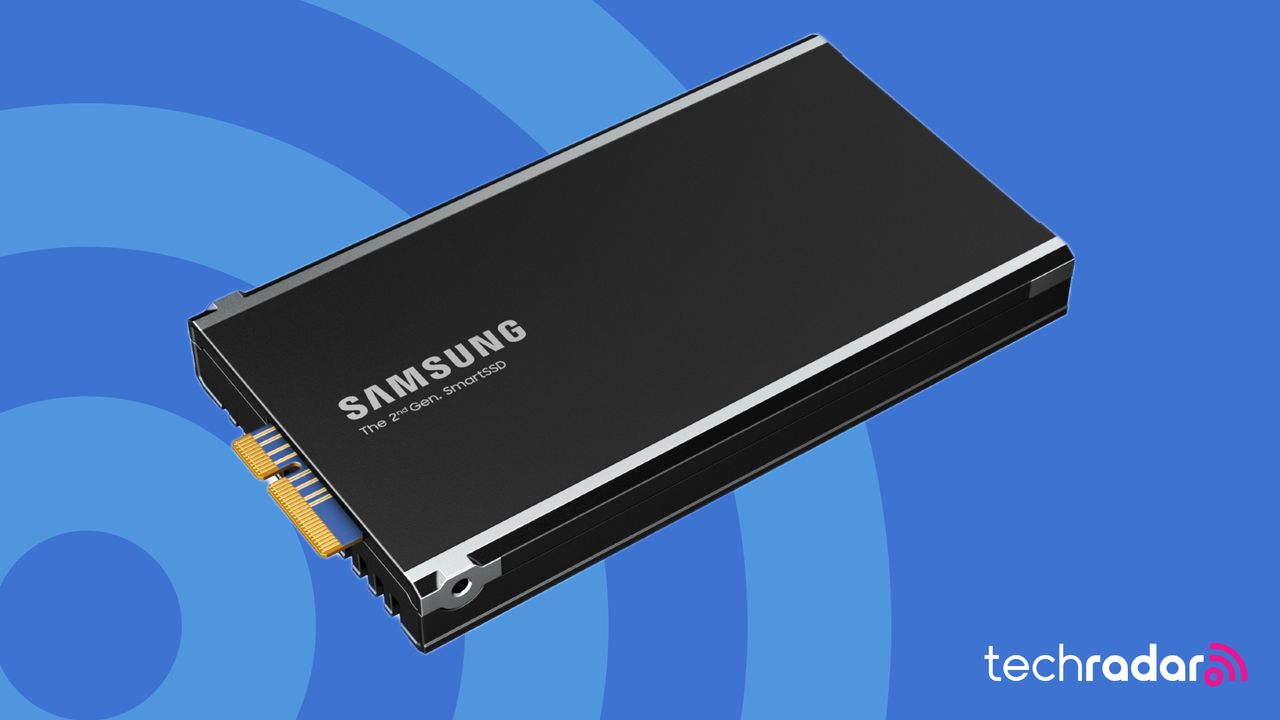
- Samsung used AMD's Xilinx FPGA to power its SmartSSD storage device
- It promised to reduce enterprises' reliance on servers
- Computational storage devices, however, have faded just as Generative AI surged
Samsung came up with the concept of a SmartSSD back in 2018, before generative AI kicked off. This computational storage drive would power server-less computing, bringing compute closer to where data is stored. SmartSSD had NAND, HBM and RDIMM memory sitting next to a FPGA accelerator in the SSD itself. That FPGA was built by Xilinx, which AMD purchased in October 2020.