When a government body (e.g., a school board or a city council) sets up a social media account, the public comments on that account are viewed as a "limited public forum," in which the government may not discriminate based on viewpoint. (See, e.g., Davison v. Randall (4th Cir. 2019).) The government therefore can't selectively remove comments on that page, or block commenters from posting to it, based on the comments' or commenters' views.
Individual social media users, on the other hand, are free to delete comments or block commenters (to the extent the social media software allows it). That includes government officials in their private capacities, whether they're acting as ordinary citizens or as candidates.
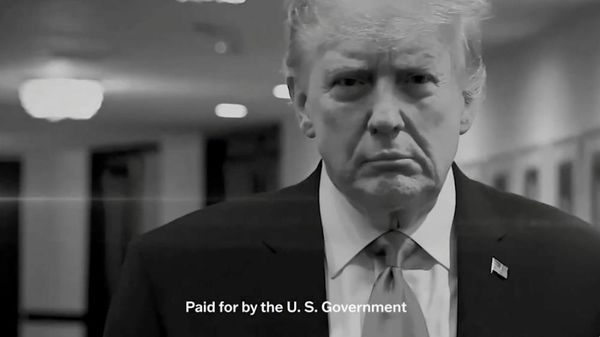
But how can courts tell politicians' official pages from their private ones? This question first hit the national news as to President Trump's blocking of commenters on the @RealDonaldTrump page, but that matter became moot when Trump left office. This morning, the Supreme Court agreed to hear two cases that deal with this issue, Garnier v. O'Connor-Ratcliff (coming from the Ninth Circuit) and Lindke v. Freed (coming from the Sixth). Here's part of the analysis from the Ninth Circuit decision: