In a recent development in Russian politics, election officials have made the controversial decision to exclude a prominent politician advocating for peace in Ukraine from the upcoming presidential ballot. This decision has raised concerns and sparked debates both within Russia and across the international community.
The politician in question, whose name has not been disclosed, has been an outspoken advocate for peaceful resolution of the ongoing conflict in Ukraine. By choosing to exclude this individual from the presidential race, Russian election officials have effectively silenced a prominent voice calling for peace and stability in the region.
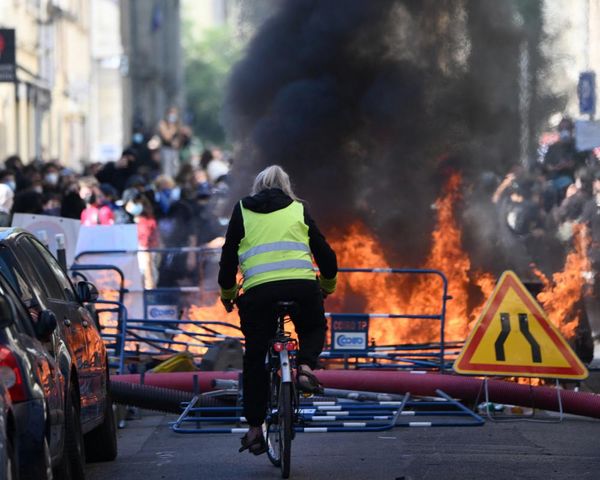
The decision to exclude the politician has drawn criticism from various quarters, with many accusing the Russian government of suppressing dissent and stifling democratic processes. Critics argue that such an action undermines the principles of free speech and fair elections.
The ongoing conflict in Ukraine has been a contentious issue in international politics for several years. Since 2014, when Russia annexed Crimea amidst a political and military crisis in Ukraine, the region has witnessed ongoing clashes between pro-Russian separatists and Ukrainian armed forces. The conflict has resulted in the deaths of thousands of people and caused widespread displacement.
Public opinion on the conflict varies within Russia, with some supporting the official government stance and others calling for a peaceful resolution. The excluded politician represents the latter sentiment, advocating for dialogue and negotiations rather than military actions.
While the specific reasons for excluding this politician from the ballot have not been disclosed, some speculate that it may be connected to political calculations and concerns over the potential impact of their candidacy. Critics argue that by preventing their participation, the Russian government aims to maintain a narrative and political atmosphere that aligns with its own interests.
International reactions to this decision have been mixed. Some countries and organizations have expressed concern over the shrinking space for political dissent in Russia and the implications of limiting the choices available to Russian voters. Meanwhile, others have refrained from commenting or have deferred to Russia's sovereign right to determine the candidates in its own elections.
Ultimately, the exclusion of a politician advocating for peace in Ukraine from the Russian presidential ballot raises questions about the state of democracy in the country. It highlights the importance of allowing diverse political voices and viewpoints to be heard, not only for the sake of plurality but also for the prospects of finding peaceful resolutions to conflicts. As the election draws nearer, it remains to be seen how this decision will impact the political landscape in Russia and the region as a whole.