
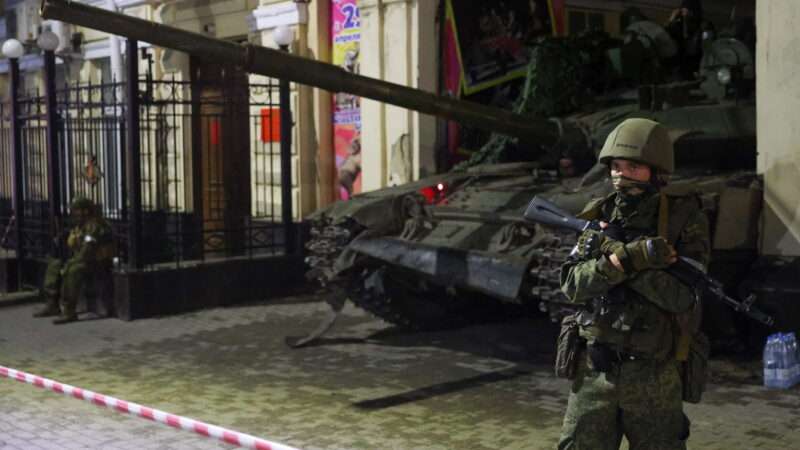
If you're trying to make sense of events in Russia, it might be best to frame it in medieval terms. Think of the mutiny by Prigozhin and the Wagner Group less as an attempted coup by mercenaries and more as a violent effort to extract a better deal by a warlord who was betrayed by his liege. That the feudal squabbling takes place not amidst a Game of Thrones setting of horses and swords, but with the control of nuclear weapons at stake, means that the resulting destabilization could have global repercussions.
The revolt was certainly a shock to Russian authorities, with convict-turned-caterer-turned-warlord Yevgeny Prigozhin's Wagner Group troops reportedly making it to within 200 kilometers of Moscow before halting. They shot down aircraft from the armed forces on the way and seem to have picked up a few defecting military units. The precipitating factor was that, after months of feuding between Prigozhin and the Defense Ministry, Russia's President Vladimir Putin decided to end Wagner's independence.














