Weddings often follow fashion formulas. Neutral tones. Light embroidery. Minimal jewellery. Predictable silhouettes. But this time, something changed.
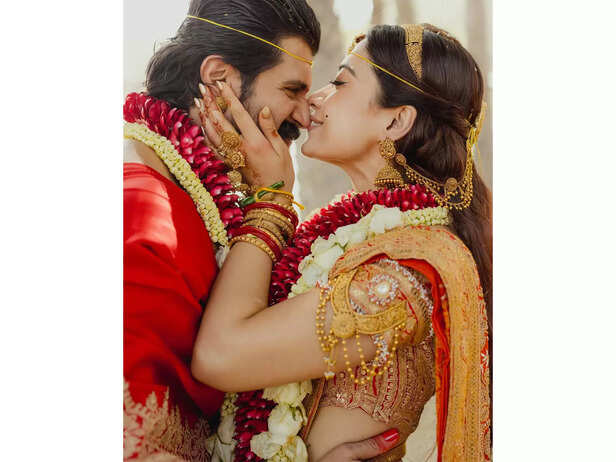
Vijay Deverakonda did not just dress for his wedding. He made a cultural statement. Wearing layers of gold temple jewellery, an ivory dhoti, a vermilion angavastram, and alta on his hands and feet, he stepped into a visual language that India once celebrated openly. Social media reacted instantly. Some called it bold. Others called it historic. Many simply could not look away. But this was not costume. It was continuity. It was a reminder that Indian men once wore gold with pride not hesitation. Let us understand why this look mattered.
A Royal Throwback to Sacred Grandeur
Deverakonda’s ensemble evoked descriptions from ancient epics. In texts, Lord Rama and Lord Krishna were often portrayed adorned in jewels, silk, and gold ornaments. Indian masculinity was once expressed through ornamentation, not restraint. Kings wore necklaces, armlets, waist belts, anklets, and earrings. Jewellery symbolised power, prosperity, and divine blessing. By reviving this visual memory, Deverakonda did not imitate the past. He reclaimed it. His look felt like stepping into a living mural from Treta Yuga and Dwapara Yuga, where splendour was natural and sacred.
Temple Jewellery and Telugu Pride
From the vanki on his arm to the vaddanam around his waist and layers of kasu mala and haram, every piece reflected South Indian heritage. Temple Jewellery originated in classical dance traditions and temple rituals. It carries intricate motifs inspired by gods and sacred symbols. By choosing maximalist gold instead of muted modern styling, Deverakonda celebrated Telugu culture unapologetically. It was not excessive. It was expressive. In a time when many grooms hesitate to shine brighter than the bride, he embraced tradition fully and confidently.
Alta: The Sacred Red Detail
The most unexpected element was alta the red dye traditionally applied to hands and feet during sacred rituals. Alta, also called mahavar, holds deep cultural meaning in Hindu ceremonies. It is considered auspicious and is part of traditional marriage customs. Historically, men applied it during significant rites, especially weddings. While mehndi dominates modern bridal imagery, alta carries older ritual symbolism. By wearing it openly, Deverakonda reminded a generation that sacred customs need not be hidden or modernismed to feel relevant.
Redefining Modern Masculinity
For years, mainstream groom fashion leaned toward safe elegance. Neutral sherwanis. Minimal chains. Controlled glamour. Deverakonda disrupted that script. His jewellery was layered. His styling was bold. His confidence was visible. And it worked. Globally, men’s jewellery is rising again. Fashion capitals celebrate layered necklaces and statement pieces. But India has never needed validation from global runways. Ornamentation on men has existed here for centuries. This wedding look was not trend-driven. It was culture-driven. And that difference matters.
A Cultural Reset in 2026
This wedding moment felt bigger than fashion. It felt like restoration. When a mainstream actor proudly wears temple jewellery and alta without irony, it shifts perception. It tells young men that tradition is not outdated. It is powerful. At a time when gold prices soar and global markets report growth in men’s jewellery, this look connected economics, heritage, and identity. It proved that confidence is not minimal. Confidence is cultural.
When Heritage Becomes Heroic
Vijay Deverakonda did more than wear jewellery. He reopened a forgotten chapter of Indian masculinity. Pre-Independence maharajas commissioned legendary necklaces. Ancient kings dressed in layered gold. Deities were described in splendour. Ornamentation was never weakness. It was status, devotion, and identity. In one wedding appearance, Deverakonda reminded millions of this truth. Tradition is not old-fashioned. It is timeless. And when worn with conviction, it becomes revolutionary. In 2026, as fashion circles debate trends and markets track jewellery growth, one image stands clear: a groom in gold, rooted in heritage, walking confidently into the future. That is not just style. That is a cultural reset.
Unlock insightful tips and inspiration on personal growth, productivity, and well-being. Stay motivated and updated with the latest at My Life XP.
Frequently Asked Questions (FAQs)
1. Who is Vijay Deverakonda?Vijay Deverakonda is a popular Indian actor known for his work in Telugu cinema. He gained nationwide recognition for films like Arjun Reddy and is admired for his bold screen presence and unconventional choices, both in cinema and public life.
2. Who did Vijay Deverakonda marry?
Vijay Deverakonda married fellow actor Rashmika Mandanna in a private ceremony held in Udaipur. The wedding pictures quickly went viral, with fans and fashion critics praising their traditional attire.
3. Why did his wedding look become so popular?
His look stood out because he embraced heavy gold temple jewellery, alta on his hands and feet, and traditional Telugu attire. In an era of minimalist groom fashion, his maximalist style felt bold, cultural, and refreshing.
4. What is temple jewellery?
Temple jewellery is traditional South Indian jewellery originally crafted for adorning deities in temples. It features intricate gold designs inspired by gods, goddesses, and sacred motifs. Today, it is worn during weddings and classical dance performances.
5. What is alta and why is it significant?
Alta, also known as mahavar, is a red dye applied to hands and feet during Hindu rituals and weddings. It is considered auspicious and symbolises prosperity and sacred commitment.
6. Is men’s jewellery becoming a trend again?
Yes. Globally, men’s jewellery is seeing a strong comeback on fashion runways and in celebrity styling. However, in India, ornamentation for men has existed for centuries in royal and mythological traditions