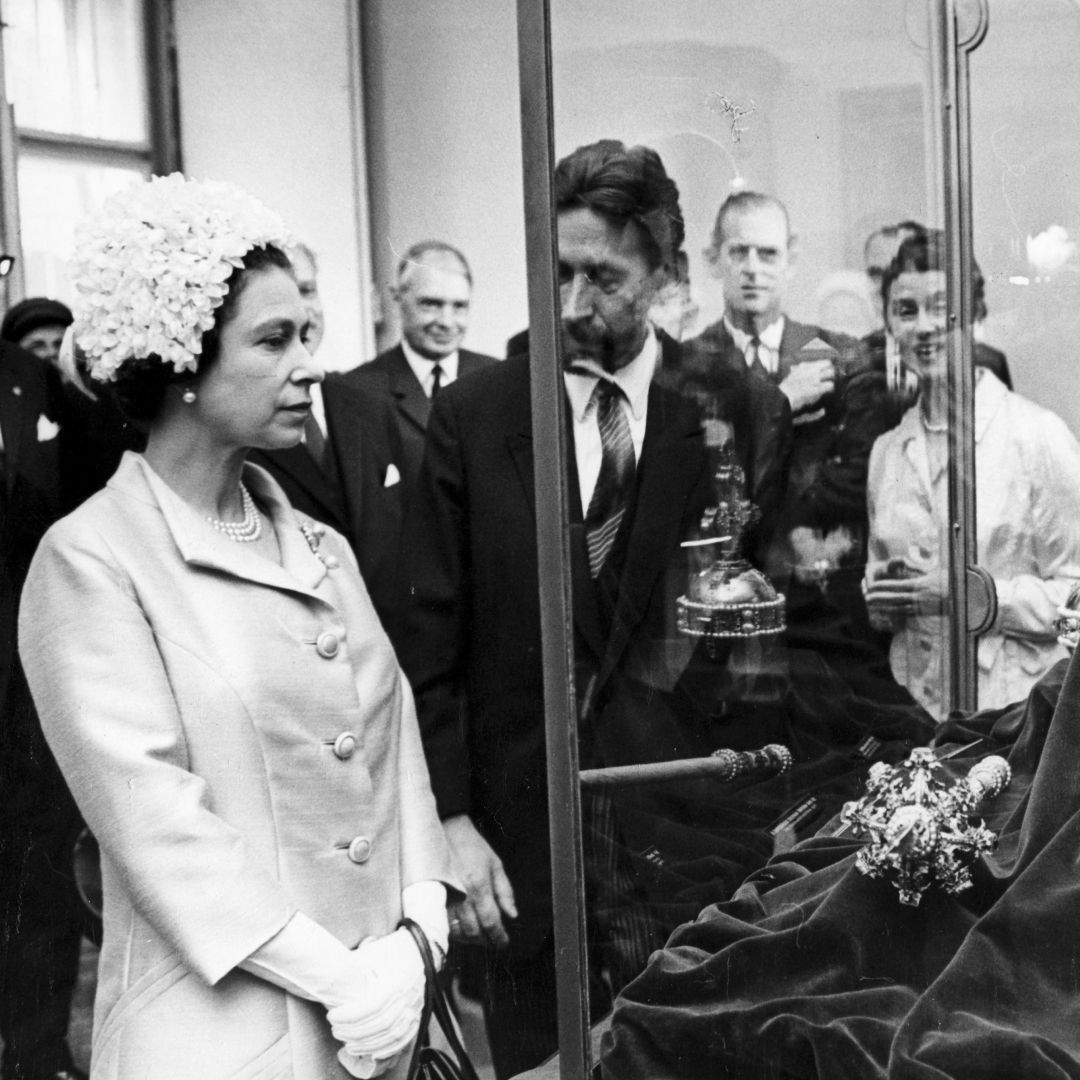
Although Prince Charles was named the Prince of Wales when he was nine years old, he wasn’t officially invested into the role until 1969 at the age of 20. The lavish televised ceremony, held at Caernarfon Castle in Wales, “was going to be like a sort of coronation mark two,” royal biographer Robert Hardman said on the Daily Mail’s “Palace Authorised” YouTube show. But terrorist incidents leading up to the investiture caused Queen Elizabeth so much distress that Buckingham Palace created an elaborate excuse for her to cancel all of her public appearances in the days following, according to Hardman.
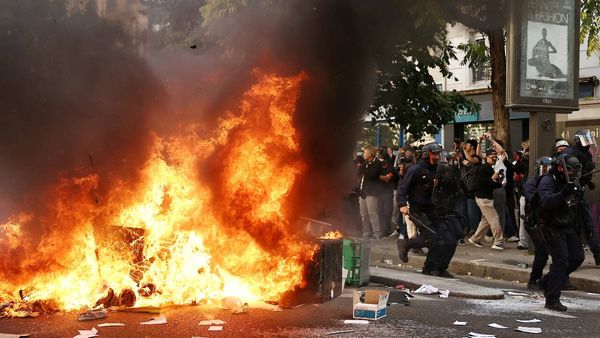
The royal columnist shared that “there was this sort of nascent terrorist movement” in Wales at the time. Welsh separatists intended to disrupt the event by planting bombs across the region, including one that prematurely exploded and killed two of the terrorists just hours before the ceremony.

Calling it “a very tense moment” that put a huge amount of “pressure” on Queen Elizabeth, the author continued, “I think she was really worried that something was going to happen.”

“She’d always taken a view that if stuff happens to me, okay, I’ll live with it, I’ll die with it. It went with the territory,” the author explained. “But this was the threat of terrorism against her son, and against his event and against the family.”
The late Queen found the terrorism threats so upsetting that she backed out of all her planned events soon after, including the 1969 Wimbledon finals. “The Queen went back to London and returned to her bed, and canceled all the engagements for the following week. Very, very unlike her,” Hardman noted.
“The palace put out that she was suffering from flu, which was an odd thing to be suffering from in early July,” he continued. Hardman said that a source close to the late Queen admitted to him that there was no illness, but instead Her Majesty was suffering from “nervous exhaustion.”

“I don’t know if we could call it a full nervous breakdown, because she was back on duty just over a week later, but it was the nearest thing to a nervous breakdown,” Hardman revealed.
Decades later, Prince William opted not to have a formal investiture in Wales, with Kensington Palace stating that he prefers to follow a more modern approach and develop a relationship with the people of Wales in his own way.