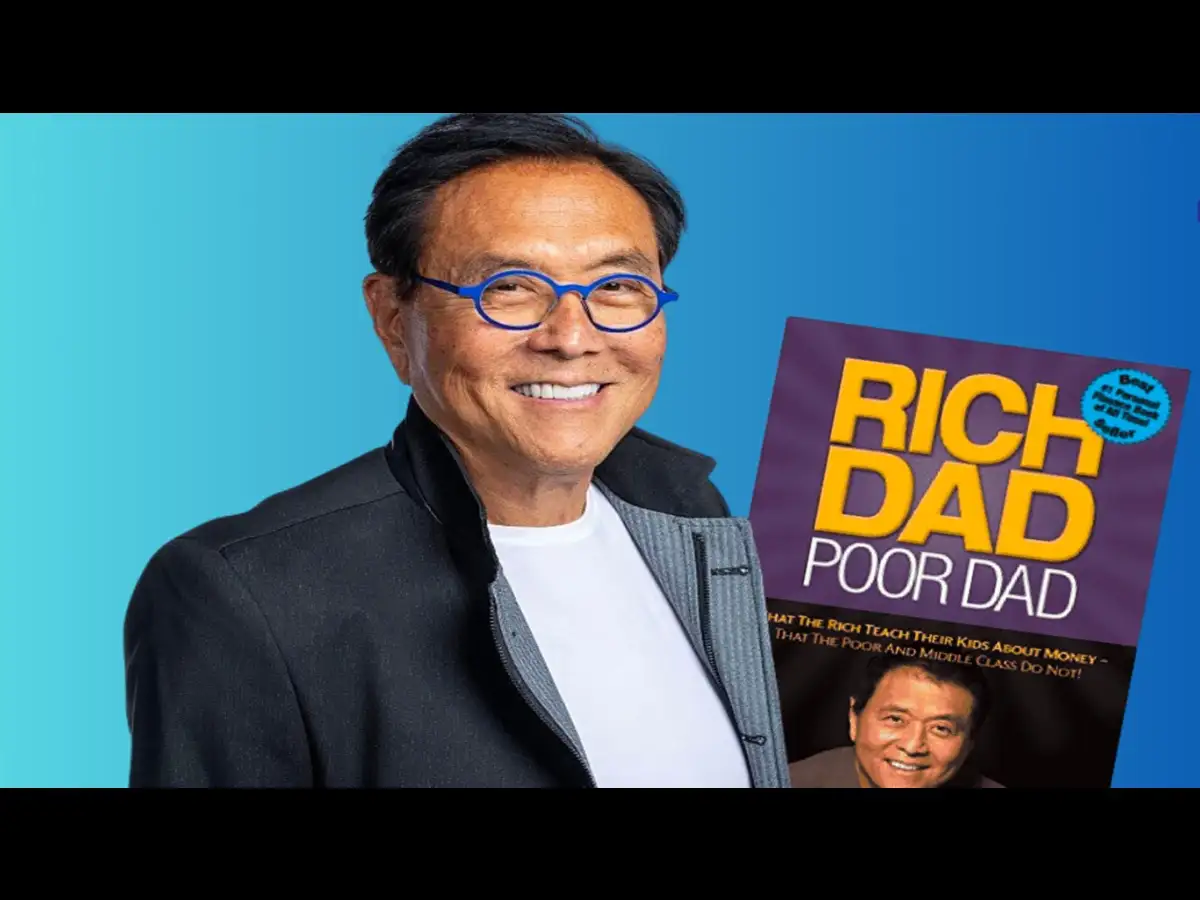
Robert Kiyosaki, the author of Rich Dad Poor Dad, has revealed that he is carrying about $1.2 billion in debt, a figure that may sound alarming at first but does not represent money he personally owes. The financial author has repeatedly discussed the figure while explaining his approach to using debt to acquire assets and build wealth. Much of the borrowing is reportedly connected to a large real-estate portfolio that Kiyosaki owns alongside business partners.
ALSO READ: Ryan Seacrest sells sprawling 40-acre Napa Valley estate for $18.5 million after $22 million listing
Robert Kiyosaki’s $1.2 billion debt explained
Kiyosaki recently discussed his debt on the Get Rich Education podcast, where he described the scale of his borrowing. “So, I'm a billion two in debt,” Kiyosaki said, as quoted by the New York Post.
However, the $1.2 billion figure should not be interpreted as Kiyosaki personally having $1.2 billion in liabilities.
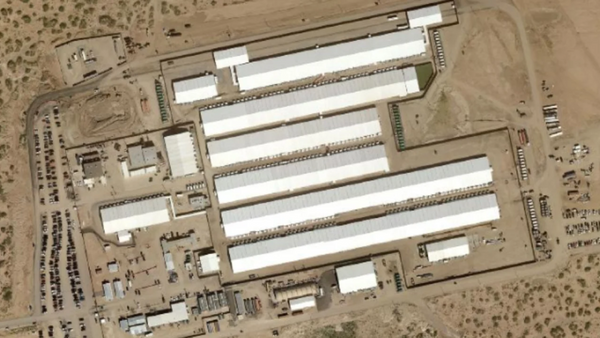
His former wife and business partner, Kim Kiyosaki, previously told Vanity Fair that the debt is associated with a real-estate portfolio containing roughly 1,500 apartment units, owned with partners.
ALSO READ: Erin Piacenti’s heartbreaking final days
She indicated that Kiyosaki's personal exposure is considerably smaller. Vanity Fair estimated his potential share could be somewhere between $30 million and $60 million, based on his reported earnings.
Why Kiyosaki believes debt can build wealth
Debt has long been at the centre of Kiyosaki's financial philosophy. Rather than viewing all borrowing as bad, the Rich Dad Poor Dad author distinguishes between debt used to purchase income-producing assets and debt used for everyday spending.
His real-estate strategy involves borrowing against the increasing equity in properties. If property values rise, owners may be able to access additional financing without selling their assets.
That borrowed money can then be used to acquire more investments or provide liquidity. Kiyosaki has also described using limited liability companies, or LLCs, to separate investments and potentially limit the impact of problems in one business.
“If it all comes to hell, you can talk to my attorney,” he told Vanity Fair. “Firewalls - that's the way the rich play the game.”