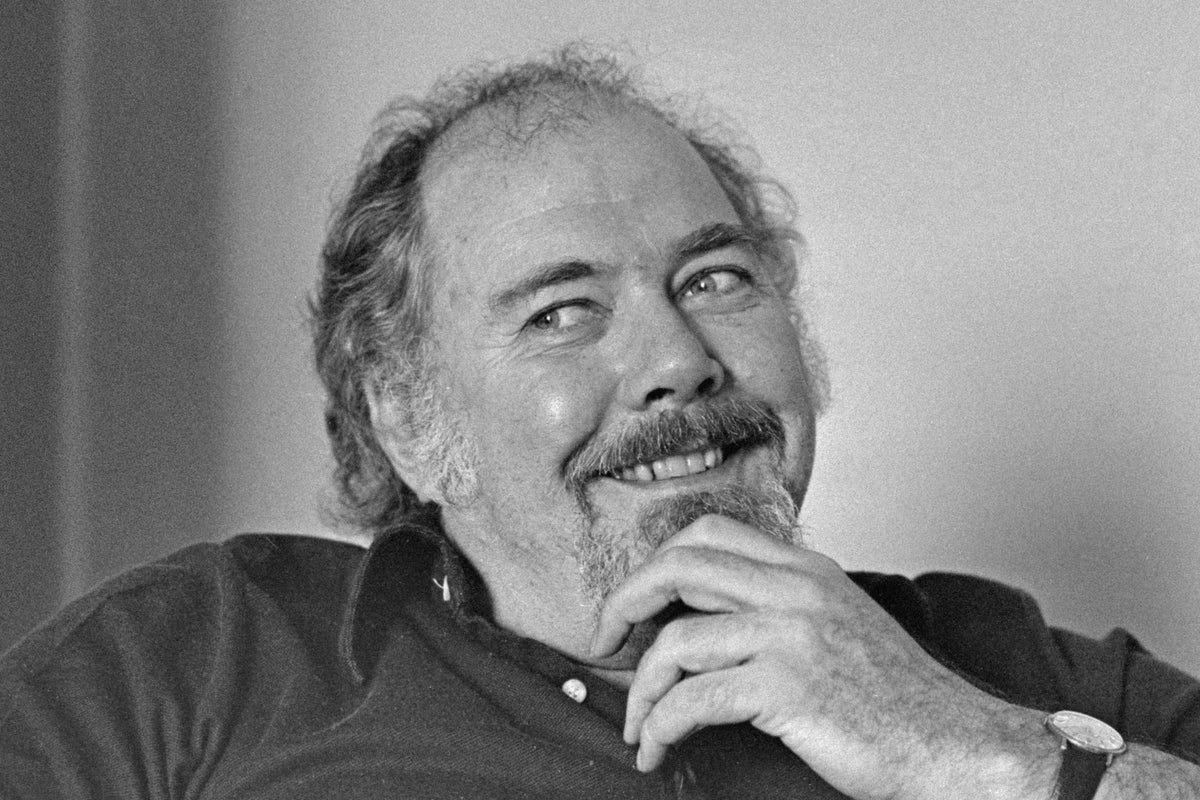
No one has ever made a good movie,” said Robert Altman. He had, of course, made a dozen or so great ones himself – Nashville, M*A*S*H, Gosford Park among them – and many others that are, by most metrics, good. What the Oscar-winning filmmaker meant, he later explained, is that cinema as he saw it was indebted to other artforms; that, at that time in the 1970s, cinema had yet to step out of the trappings of theatre and become its own inimitable thing.
And yet, Altman’s oeuvre is as purely cinematic as they come. His films – often ensemble-led patchworks of American life – were singular and forward-looking, imposing his signature style onto genres as diverse as antiwar satires, detective noirs, psychological thrillers, and westerns. He was an independent filmmaker through and through – one with a company of first-rate, idiosyncratic collaborators and a near-mystical ability to get an unlikely project financed; The New York Times once branded him the “pirate king of American filmmaking”. Altman died in 2006, and would have turned 100 this month. His influence, though, continues to be seen in many of the best American films of today.