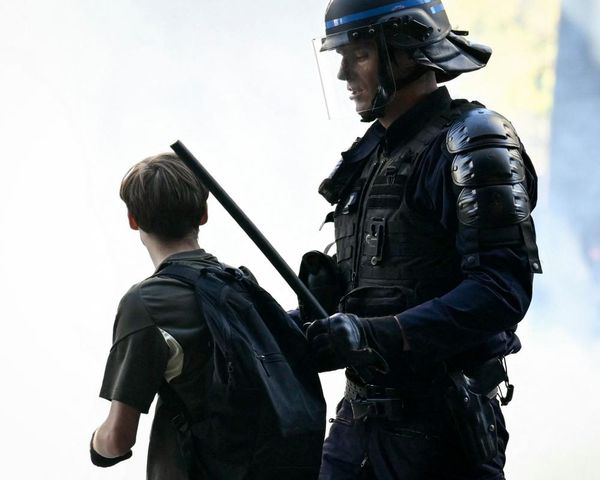
TALLINN, Estonia (AP) — In February 2015, charismatic opposition leader Boris Nemtsov's assassination near the Kremlin shocked over 50,000 Muscovites, leading to public outrage and anti-government protests. Fast forward to February 16, 2024, when news of popular opposition politician Alexei Navalny's death in prison sparked anger among Russians. However, this time, mourners faced a harsh crackdown by riot police, with hundreds arrested.
Over the years, Russia has shifted from tolerating dissent to ruthlessly suppressing it. The country now targets political opponents, rights groups, independent media, LGBTQ+ activists, and certain religious affiliations. The Kremlin's actions have led to a significant increase in arrests, trials, and long prison terms, especially following the invasion of Ukraine.