
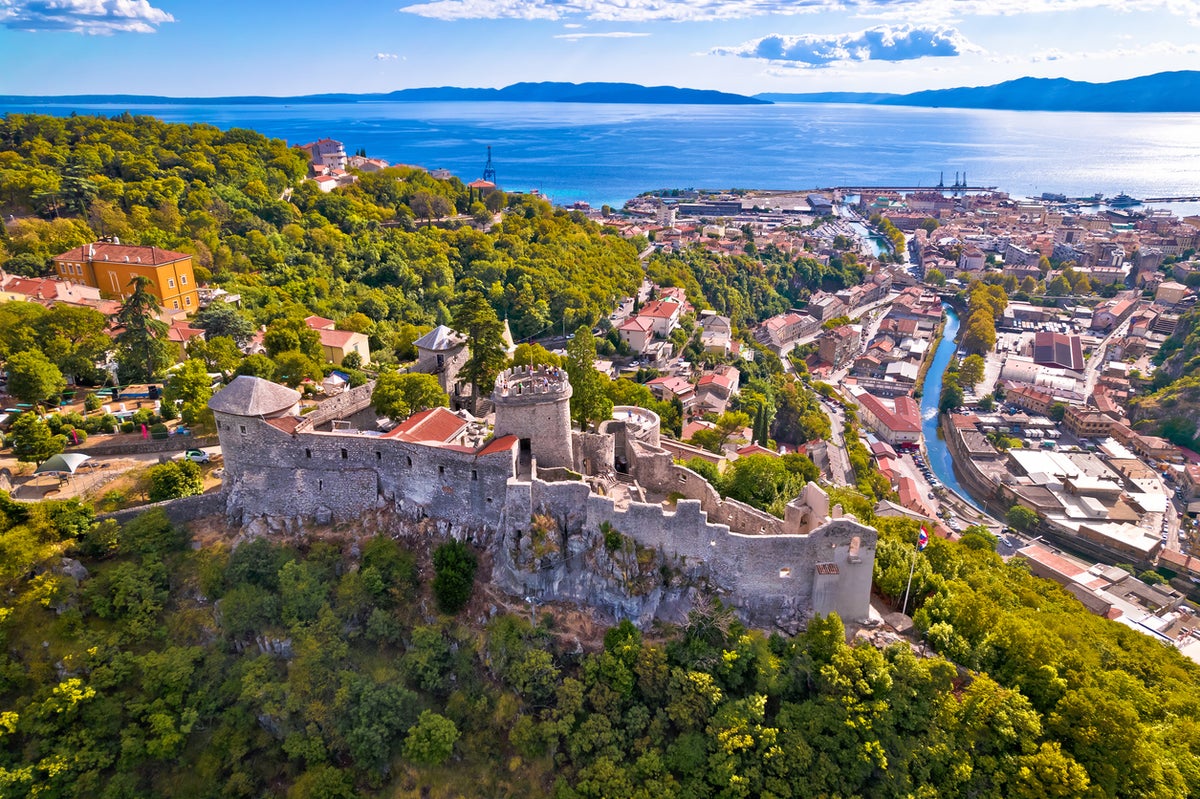
Croatia’s third-largest city after the capital Zagreb and coastal favourite Split, underrated Rijeka is generally overlooked by tourists, who tend to pass through en route to the islands. But among Croatians, this historic spot is well known and loved as the cultural capital of the country.
A phoenix from the ashes, the city’s Hapsburg grandeur and industrial prominence had long since faded by the 1970s and 1980s, when punk and new-wave musicians began using its abandoned warehouses for gigs and club nights. Money then poured in as it celebrated becoming Croatia’s first European Capital of Culture for 2020 – alas, the same year that few tourists would benefit from the polish-up. But since then, with much of its elaborate Baroque architecture restored and standing pride of place, Rijeka is thriving, its music scene still pumping, maintained by the student and graduate population that calls the city home.













