
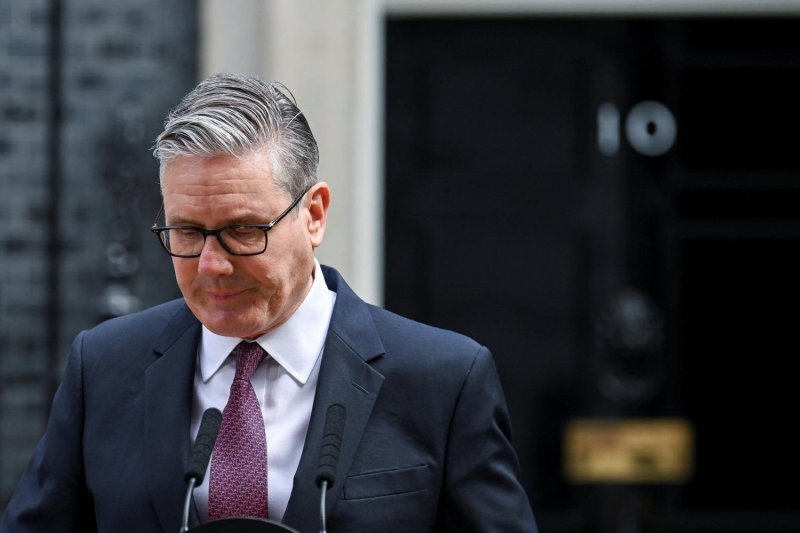
In the next few weeks, Britain's ruling Labour Party will almost certainly select a new leader to replace Keir Starmer, the country's deeply unpopular prime minister. But this prospect has not inspired hope of a political or economic renewal. Among British media and, more importantly, global financial markets, the consensus is that any revisions to the failing Starmer government's policies will only make things worse. One is reminded of the arch-conservative Victorian-era prime minister Lord Salisbury, who asked: "Change? Change? Aren't things bad enough already?"
Yet there are good reasons to believe that the consensus is mistaken. For starters, all Mr Starmer's potential successors now explicitly recognise that stronger economic growth is a necessary condition not just for fiscal solvency, but also for Labour's political survival. Second, every contender implicitly understands (even if they do not openly admit it) that Labour's failure to bolster economic growth was predetermined by the original sin of Mr Starmer's 2024 campaign.