
Get all your news in one place.
100's of premium titles.
One app.
Start reading
The Conversation
The Conversation
Michael W. Crowder, Professor of Chemistry and Biochemistry, Miami University

Retaining flavor while removing caffeine − a chemist explains the chemistry behind decaf coffee

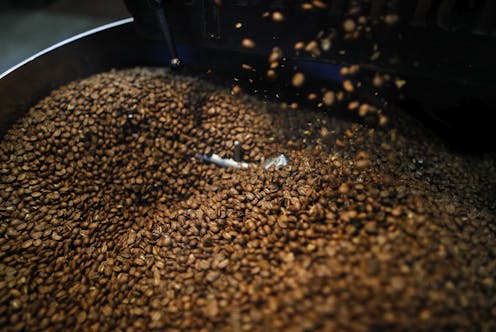
Several processes can take most of the caffeine out of coffee. AP Photo/John Minchillo

For many people, the aroma of freshly brewed coffee is the start of a great day. But caffeine can cause headaches and jitters in others. That’s why many people reach for a decaffeinated cup instead.

I’m a chemistry professor who has taught lectures on why chemicals dissolve in some liquids but not in others. The processes of decaffeination offer great real-life examples of these chemistry concepts. Even the best decaffeination method, however, does not remove all of the caffeine – about 7 milligrams of caffeine usually remain in an 8-ounce cup.

Sign up to read this article
Read news from 100's of titles, curated specifically for you.
Already a member? Sign in here
Related Stories
Top stories on inkl right now
One subscription that gives you access to news from hundreds of sites
Already a member? Sign in here
Our Picks
Fourteen days free
Download the app
One app. One membership.
100+ trusted global sources.







