
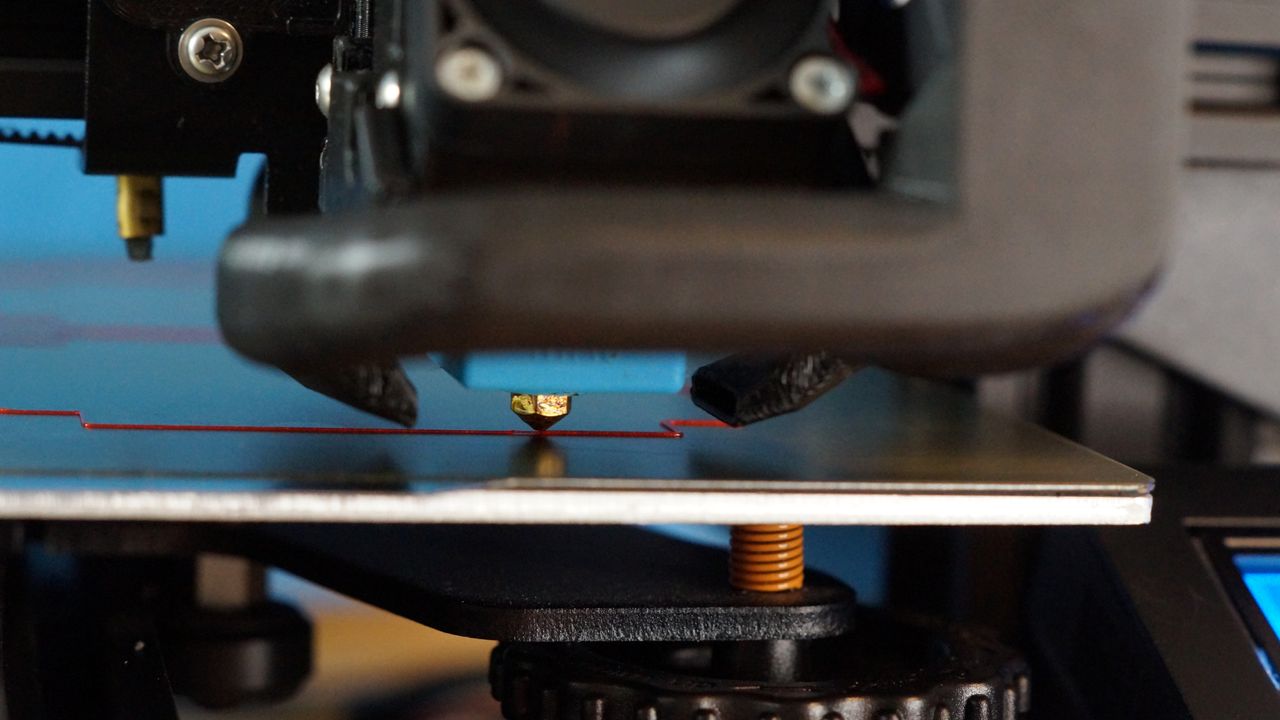
We've reported on it before, but 3D printing has a materials problem. Most filament is still petroleum-based, non-biodegradable, and destined to outlive whoever printed the cute little Benchy boat miniature. That's why a newly patented breakthrough out of the University of Wisconsin–Platteville (of course) is interesting: researchers have figured out how to turn spoiled milk into a usable bio-composite for 3D printing.
Milk printing your next phone stand might sound weird, but in a world drowning in plastic and food waste, we could use some weird ideas like this. In this case, the core idea is surprisingly elegant: milk contains proteins like casein and whey, and those proteins can be processed and blended with existing polymers to create printable materials. Instead of dumping spoiled dairy, the team developed a method to extract those proteins and repurpose them as part of a 3D printing feedstock. The result isn't "printable cheese," but rather a legitimate plastic alternative, well-suited for use in 3D printers, and derived primarily from dairy waste.