Get all your news in one place.
100's of premium titles.
One app.
Start reading
The Conversation
The Conversation
Eduardo B. Farfán, Professor of Nuclear Engineering, Director of the Center for Nuclear Studies, Kennesaw State University

Research at Chernobyl and Fukushima shows how radioactive materials move in the environment

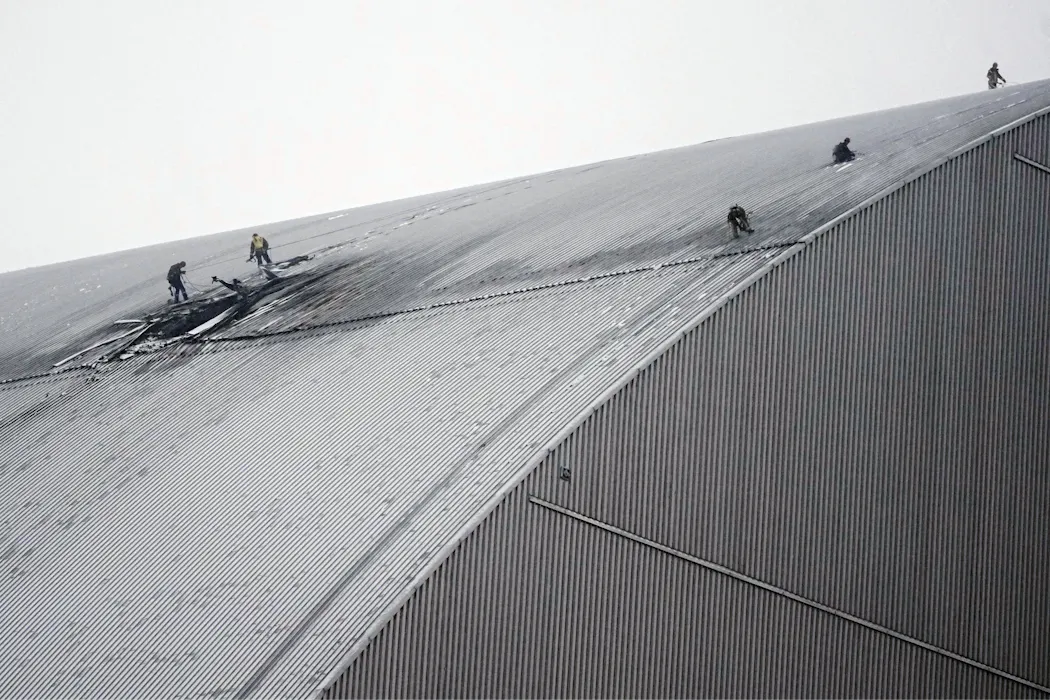
Even decades after the Chernobyl disaster, damage to the containment structures risks radioactivity escaping into the environment. AP Photo/Efrem Lukatsky

When nuclear accidents happen, many people imagine radiation spreading everywhere and lasting forever. The reality is more complex. Radioactive materials move, change and sometimes disappear faster than people expect.

The Chernobyl accident in 1986 and the Fukushima Daiichi accident in 2011 released radioactive materials into the air, soil and water around those two nuclear power plants. The general term for the materials that got released is “radionuclides.”

Sign up to read this article
Read news from 100's of titles, curated specifically for you.
Already a member? Sign in here
Related Stories
Top stories on inkl right now
One subscription that gives you access to news from hundreds of sites
Already a member? Sign in here
Our Picks
Fourteen days free
Download the app
One app. One membership.
100+ trusted global sources.