Get all your news in one place.
100's of premium titles.
One app.
Start reading
The Conversation
The Conversation
Mark Axelrod, Professor of Environmental and Resource Governance, Michigan State University

Research about global fishing shows value of detailed environmental data, which the Trump administration seeks to limit

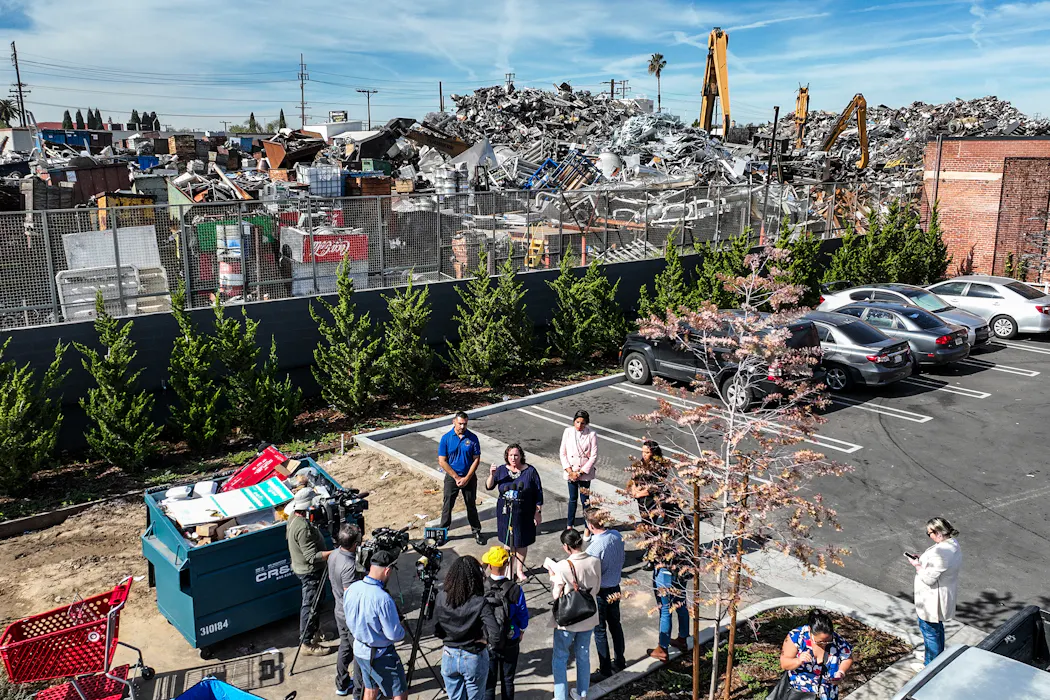
People are often concerned about environmental risks lurking near their homes. Robert Gauthier/Los Angeles Times via Getty Images

To help people who are affected by pollution and other environmental harms, it’s common sense to first get a detailed picture of who they are and where they are. My research shows what can be gained – by policymakers and the broader public – from detailed environmental data and highlights what is lost when it’s not collected.

Since President Donald Trump began his second term, his administration has changed the U.S. government’s environmental data practices, collecting and reporting only average and aggregate pollution levels that do not differentiate exposure by race, gender, ethnicity or other social identities. That changes previous administrations’ practice of looking more closely, enabling researchers to learn who is most affected and least empowered to push back.

Sign up to read this article
Read news from 100's of titles, curated specifically for you.
Already a member? Sign in here
Related Stories
Top stories on inkl right now
One subscription that gives you access to news from hundreds of sites
Already a member? Sign in here
Our Picks
Fourteen days free
Download the app
One app. One membership.
100+ trusted global sources.