Get all your news in one place.
100’s of premium titles.
One app.
Start reading
The Times of India
The Times of India
Lifestyle
etimes.in

Ready to dive into the swimming pool this summer? Beware of this brain eating organism

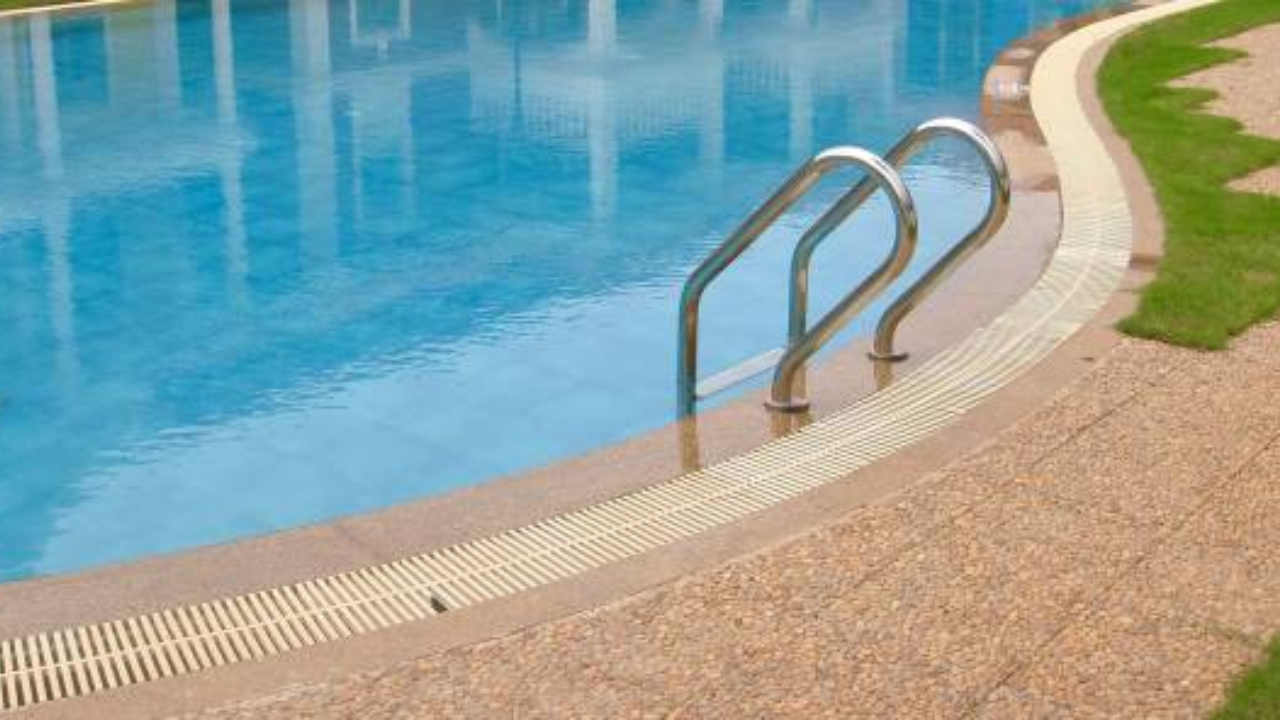
Summer brings the allure of swimming pools, offering a refreshing escape from the heat. Families and friends gather to relax, play, and cool off in shimmering waters under the sun's warm embrace. The rhythmic sounds of splashing and laughter fill the air as children learn to swim and adults unwind on lounge chairs.

However, amidst the enjoyment, it's crucial to be mindful of safety measures and water hygiene to ensure a carefree and enjoyable aquatic experience throughout the summer season. There lurks a lesser-known but potentially deadly threat: Naegleria fowleri, commonly referred to as the "brain-eating amoeba."

What is Naegleria fowleri?

Naegleria fowleri is a free-living amoeba found in warm freshwater environments such as lakes, rivers, and poorly maintained swimming pools or hot tubs. It thrives in temperatures between 77-95°F (25-35°C) and can be particularly problematic during hot summer months when water temperatures rise.

Transmission and infection

Infection typically occurs when contaminated water enters the body through the nose. This can happen when swimming, diving, or participating in water sports where water is forced up the nasal passages. Once inside the nasal cavity, Naegleria fowleri can travel to the brain, causing a severe and usually fatal condition known as primary amebic meningoencephalitis.

Symptoms to pay attention to

Symptoms of primary amebic meningoencephalitis usually appear within 1-9 days after exposure and can initially mimic bacterial meningitis, including headache, fever, nausea, vomiting, and stiff neck. As the infection progresses, individuals may experience confusion, hallucinations, seizures, and coma. Sadly, PAM is often rapid in its progression, with a high mortality rate.

Prevention tips

The most effective way to prevent infection is to avoid activities in warm freshwater bodies where Naegleria fowleri may be present, especially during periods of high water temperature and low water levels.

If swimming or participating in water activities in warm freshwater is unavoidable, take precautions to protect the nasal passages. This includes using nose clips or keeping the head above water to reduce the risk of water entering the nose.

Ensure that public and private swimming pools, hot tubs, and water parks are properly maintained and chlorinated. Naegleria fowleri cannot survive in properly treated chlorinated water.

Lakes, ponds, and other stagnant bodies of warm water, especially those with low water levels, are more likely to harbor Naegleria fowleri. Choose swimming locations carefully and prioritize well-maintained pools with adequate chlorination.

If you develop symptoms such as severe headache, fever, nausea, vomiting, or changes in mental status after potential exposure to warm freshwater, seek medical attention immediately. Early diagnosis and treatment can significantly improve outcomes.

Sign up to read this article
Read news from 100’s of titles, curated specifically for you.
Already a member? Sign in here
Related Stories
Top stories on inkl right now
One subscription that gives you access to news from hundreds of sites
Already a member? Sign in here
Our Picks
Fourteen days free
Download the app
One app. One membership.
100+ trusted global sources.