Get all your news in one place.
100's of premium titles.
One app.
Start reading
The Economic Times
The Economic Times
Trending Desk

RBI proposes framework to freeze only disputed amounts instead of entire accounts in cyber fraud cases

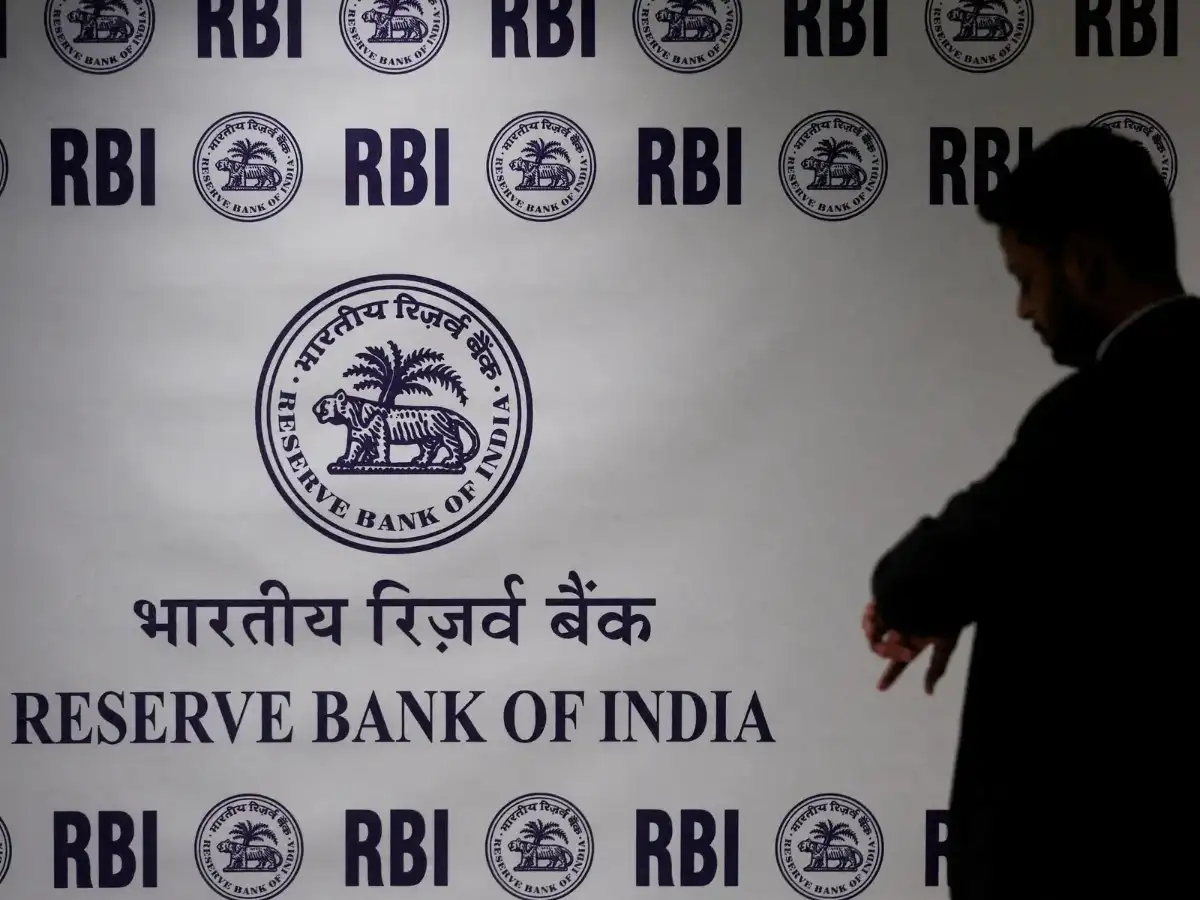
The RBI has proposed a new framework under which banks will temporarily freeze only the disputed transaction amount, instead of the entire account, when unusual transfers of Rs 1,000 or more are flagged as potentially linked to mule accounts or cyber fraud.

Banks will be required to use AI-based transaction monitoring systems to identify transfers that are sudden, disproportionate to a customer's declared profile or linked to known cyber-fraud networks.

The draft directions are scheduled to take effect from April 1, 2027, although banks can adopt them earlier. According to the RBI, the framework follows the Supreme Court's August 4, 2026, order directing it to prescribe and circulate an SOP for temporary debit holds on amounts or accounts linked to money-mule activity and cyber-enabled fraud.

Under the RBI's proposed rules for suspected money-mule accounts, banks would replace the drastic approach of freezing an entire account with a more targeted system focused on the disputed funds.

The draft amendment directions, issued for public comments, seek to amend existing instructions on bank account operations and money mules under the KYC Directions, 2025.

Under the new procedure, customers would get 20 calendar days to establish the legitimacy of a transaction by providing proof of identity, details of its context or documents showing the source of the funds.

Banks would then have 10 calendar days to assess the explanation and supporting evidence. If the account holder's explanation is satisfactory, the hold would have to be lifted immediately.

If the customer fails to respond within 20 days, or the explanation does not dispel the suspicion of cyber fraud, the bank would have to refer the case to the jurisdictional police through the NCRP/CFCFRMS portal. Banks could not simply keep the funds frozen indefinitely.

The onus would then shift to law enforcement, which would have 30 days from the referral to issue a formal statutory restraint order.

Sign up to read this article
Read news from 100's of titles, curated specifically for you.
Already a member? Sign in here
Related Stories
Top stories on inkl right now
One subscription that gives you access to news from hundreds of sites
Already a member? Sign in here
Our Picks
Fourteen days free
Download the app
One app. One membership.
100+ trusted global sources.