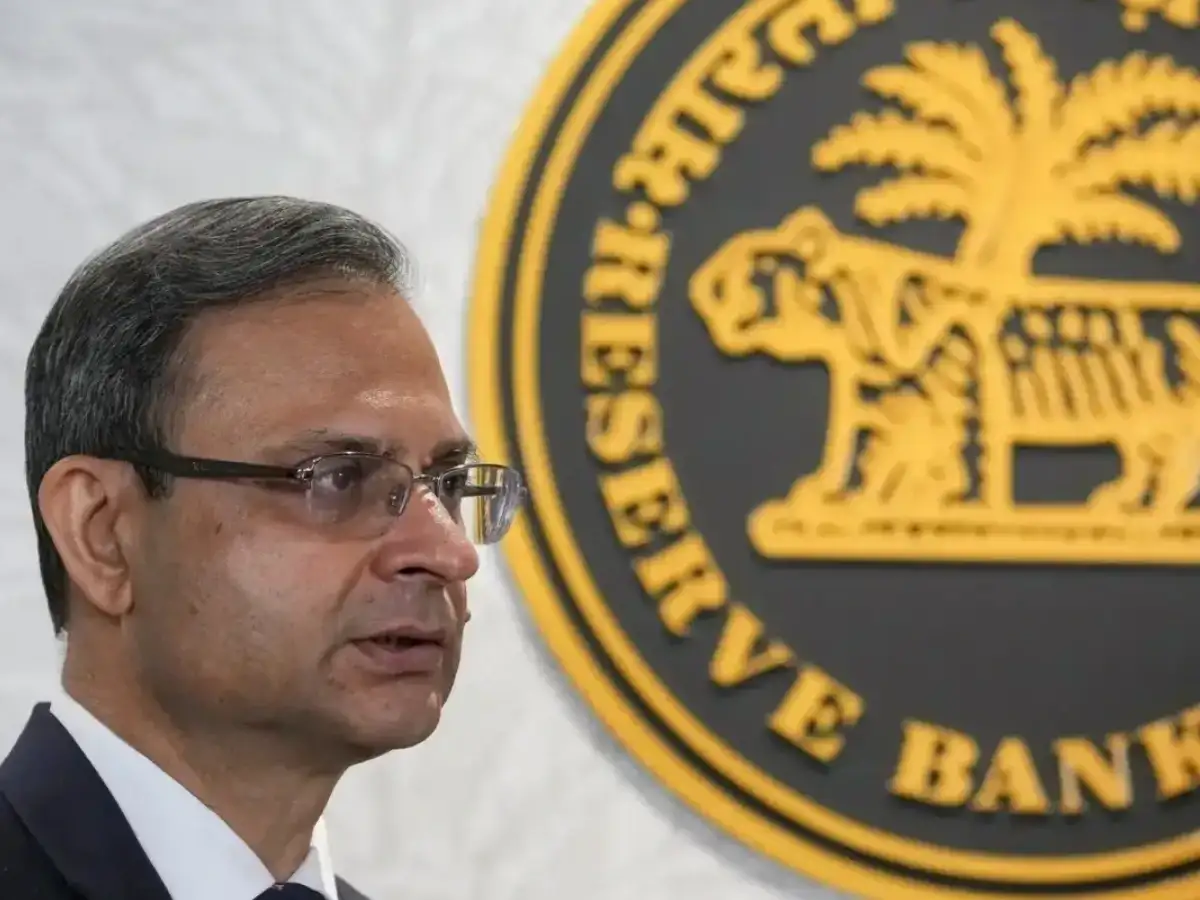
With risk events becoming increasingly interconnected and non-linear, the Reserve Bank of India is operating in an environment characterised by a wider range of possible outcomes. Factors such as oil prices, geopolitical developments, global yields, currency movements and weather-related events, including the El Niño phenomenon, have also unfolded concurrently.
These developments have generated volatility in bonds, FX and capital flows, alongside feeding into inflation expectations and imported price pressures. In this environment, policymakers may be compelled to react not only to the central or baseline forecast, but also to the potential for a broader range of outcomes.

ALSO READ | RBI likely to hike repo rate by 25 bps to 5.50% in October policy: ET Poll
Two main reasons justify a rate hike by the RBI's policy committee in October, followed by at least one more within Q4 2026. Firstly, inflation risks are increasingly being influenced by external factors. Oil is vulnerable to geopolitical developments, food prices to weather conditions, and a weaker currency stokes imported pressures, altogether adding uncertainty to the inflation outlook.
Secondly, the spread compression between Indian and US rates reflects India's improved fiscal fundamentals relative to the US's scant progress on deficit reduction. Nonetheless, beyond a certain point, transmission to emerging markets will be visible through lower capital flows, higher funding costs, volatile exchange rates and rising domestic yields. Hence, a higher rate environment will help improve resilience.
After two years of benign inflation, India's price trend has risen and broadened this year. The number of sub-segments growing faster than the inflation target of 4% continues to climb, pointing to a broadening of momentum.
Three catalysts are behind this uptrend: energy, food and early signs of demand pass-through. The impact of higher oil prices on India's macro dynamics is well documented. Global benchmark oil prices have averaged around USD 93 per barrel in FY27 year-to-date, up 36% year-on-year compared with FY26. Retail pump fuel prices were adjusted in quick succession in May 2026 and have been left unchanged since then, while other fuel products, including CNG, aviation fuel and LPG, have continued to climb.
Transport inflation jumped to 4.6% year-on-year in August from 0.1% in January 2026, while the utilities component also inched up. Business price expectation surveys conducted by IIM Ahmedabad have captured businesses facing a notable increase in fuel costs, especially industrial fuels, base metals and derivative product groups. Imported price pressures are most notable in the producer price and wholesale price indices.
Besides fuel feeding into food costs, weather has also proved disruptive, with indications that the punishing El Niño phenomenon could extend into 2027. International food benchmarks, including the UN Food Price Index and the Bloomberg Spot Agricultural Index, continue to climb.
Domestically, after two years of normal monsoons, cumulative south-west rainfall this year is set to end 12-13% below the long-term average, resulting in a slower build-up in reservoir levels. The spatial distribution is skewed, with the eastern and southern parts of the country witnessing shortfalls of 24-25%, while central and north-western regions have been near normal. While acreage under the summer crop improved in August and September, the winter (rabi) crop is exposed to lower groundwater levels. Food inflation is gradually becoming more broad-based, shifting beyond vegetables and pulses to sugar, milk, protein groups and edible oils. Sub-par weather has contributed to this upmove, alongside idiosyncratic factors such as swings in production trends (cobweb effects) and diversion for fuel usage.
Lastly, core inflation (excluding food and fuel) rose to a 15-month high in August, mainly due to a sequential rebound in precious metals, namely gold and silver jewellery. Excluding precious metals, the reading was more moderate at 2.9%, pointing to some degree of economic slack. Nonetheless, other pockets such as telecom, restaurants, business services and transport fares have been inching up, reflecting early signs of a broadening in price pressures on a sequential basis.
Liquidity and core inflation have historically displayed a modest positive relationship, according to our study. As such, the RBI's inflation mandate has likely reinforced the push to drain excess liquidity.
A gradual broadening of price pressures is likely to keep headline inflation above 5% in the second half of the fiscal year, sharply narrowing the real rate buffer. Armed with strong growth, we expect the RBI to commence policy tightening in October, while also helping to maintain a sufficient buffer against US rates and adjust for long-tail risks.
The views expressed are the author’s personal views and do not necessarily reflect those of the publication.