Get all your news in one place.
100's of premium titles.
One app.
Start reading
The Economic Times
The Economic Times

RBI likely to hold rates in June: HSBC

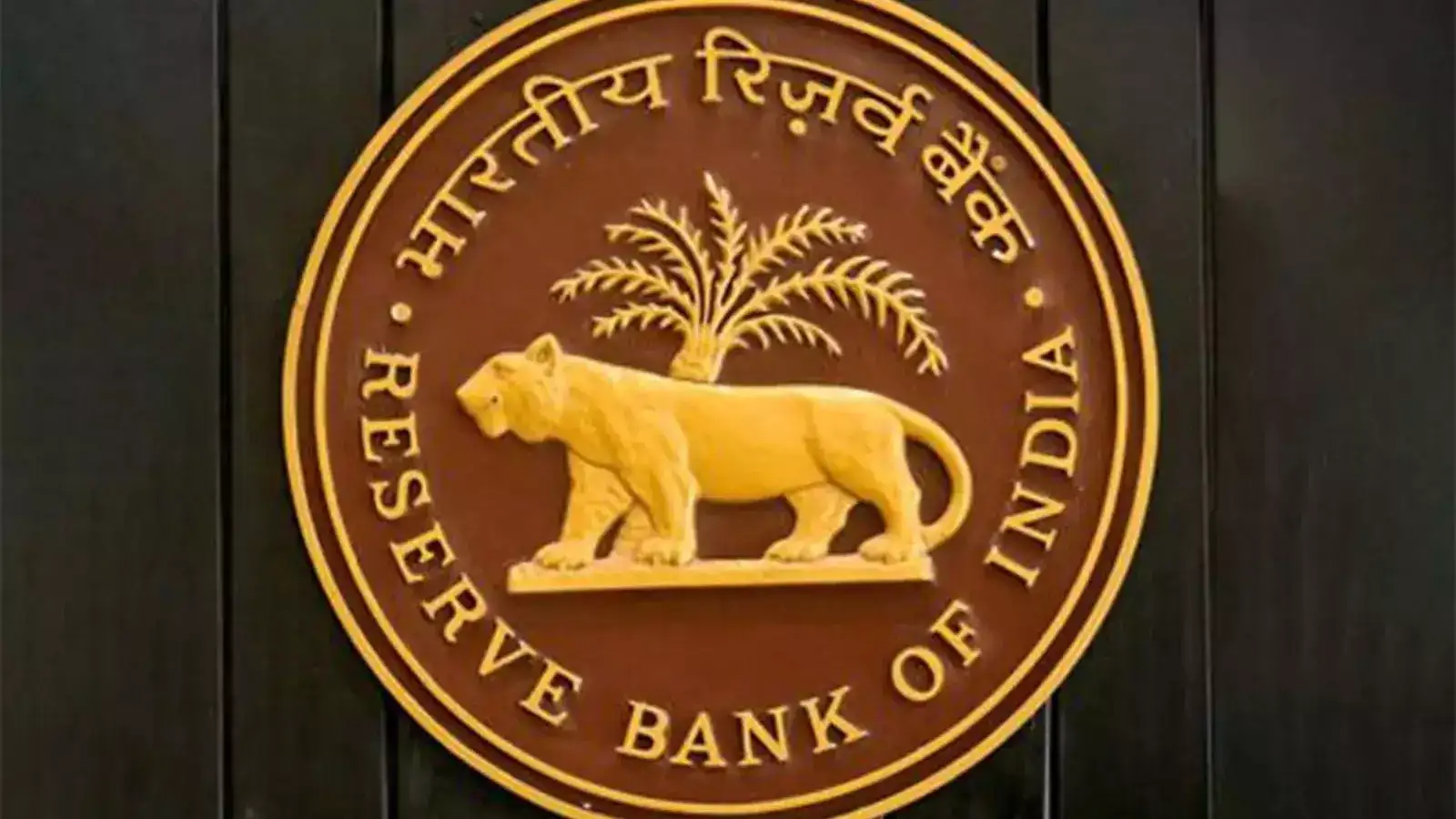
The Reserve Bank of India (RBI) faces two conflicting objectives before its next interest rate decision in June, as the economy grapples with a potential double shock from energy prices and uncertain weather patterns, said Pranjul Bhandari, Chief India & ASEAN Economist at HSBC.

"The way I think about it right now, I think at least in the June policy meeting, the RBI will not make any change in the interest rates and the repo rate. Instead, it will try to provide liquidity support in the economy by keeping liquidity flush in the banking sector, which is the case right now," Bhandari told ANI.

Read more: RBI mulls new move using foreign bonds to prop up rupee

Speaking to in an interview, Bhandari stated that the central bank must now navigate the delicate balance between controlling price rises and supporting domestic economic momentum. She highlighted that the emergence of significant supply-side pressures has complicated the central bank's path.

"Well, it's a large energy shock. And I think we are going to have a double shock this year: energy shock, and if El Nino develops over the next couple of months. It's very tricky for the RBI, because the RBI has two conflicting objectives now," Bhandari said.

The economist explained that the central bank is caught between the necessity of curbing inflation and the risk of dampening economic activity. This dilemma makes the upcoming June policy meeting a critical juncture for monetary policy.

"On the one hand, it needs to lower inflation. But if it lowers inflation too much, it may come at the cost of much lower growth, and it doesn't want to do that," she pointed out.

She further noted that any potential shift toward tightening monetary policy through rate hikes would likely be deferred until the current energy crisis shows signs of abating. The timing of such a move depends on the stabilization of global supply chains and a subsequent decline in oil prices.

"My sense is that once this energy crisis is behind us, say that the Strait has opened and, you know, the ships are passing easily, and we know that oil prices and all will eventually be coming down, at that point of time, when you're over the peak of the crisis, then the RBI can decide at some point whether a rate hike is needed to take care of all the inflation that has built up over the last couple of months," she said.

The economist expects this decision-making process to extend toward the end of the year, maintaining that for the immediate future, interest rates will remain steady.

"But I think that will come much later, probably at the far end of the calendar year. For now, I'm expecting no change in interest rates," Bhandari stated.

Sign up to read this article
Read news from 100's of titles, curated specifically for you.
Already a member? Sign in here
Related Stories
Top stories on inkl right now
One subscription that gives you access to news from hundreds of sites
Already a member? Sign in here
Our Picks
Fourteen days free
Download the app
One app. One membership.
100+ trusted global sources.