
Get all your news in one place.
100’s of premium titles.
One app.
Start reading
Windows Central
Windows Central
Technology
Richard Devine

Razer makes one of the fastest controllers on the planet, so why was it feeling sluggish? Turns out not all the settings are worth it.

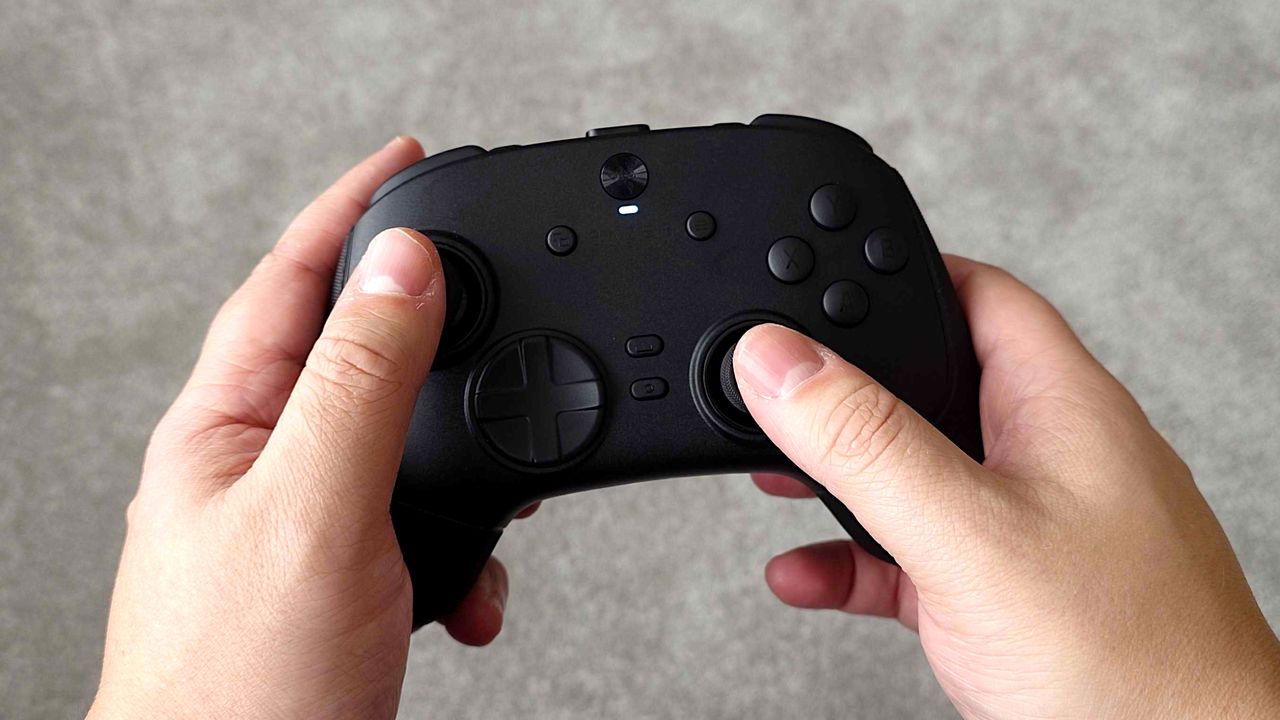
Razer Wolverine V3 Pro 8K being used wirelessly.

To say I've been using one of the fastest out-of-the-box PC controllers money can buy, I've been suffering a little. I've been using Razer's Wolverine V3 Pro 8K PC of late as my main for Call of Duty: Black Ops 7, but something has been feeling off.

When I wrote our review of the Razer Wolverine V3 Pro 8K PC, I was blown away by its performance. But I also tested that controller in Black Ops 6, before Black Ops 7 came out.

The long story short is that if you have a fast Razer controller, such as this, and you're feeling a little sluggish, you should check your deadzones in Synapse 4.

The problem: Feeling sluggish in fast-paced competitive environments

I'm the first to admit I stink at this game, but even so, something felt off. (Image credit: Windows Central)

To be clear, the controller is not responsible for my own lack of skill. But after playing only Multiplayer for the first week, most of the time since I've been either shooting (mostly) bots in Warzone Casual doing the Mastery Camo and 100% Calling Card, or in the PvE modes.

Going back to Multiplayer with the start of the Fallout crossover event, something didn't feel right. Something felt sluggish. Not massively, but gunfights and movement just felt harder. Like I couldn't move, aim, or even react quick enough, even with sweat pouring down my head.

After troubleshooting every in-game setting, I turned to the Internet, and then into Razer Synapse 4 to solve it.

The solution: Turn off Razer's double deadzone prevention

Any Razer controller with the double deadzone prevention feature could benefit from having it turned off. (Image credit: Windows Central)

On paper, Razer's own software ensuring that you don't have clashing deadzone settings between your controller and game sounds good.

In practice, though, players have observed that having the double deadzone prevention turned on in Synapse 4, unintentionally seems to mess with your input latency.

In my experience, at least, it seems to be the case. I turned it off, set deadzones to 0 minimum and 100 maximum, and then went back to the game.

From the very first match, it felt so much better. I'm not ready for the Call of Duty League yet, but, I could definitely feel movement and aiming as much crisper.

Setting dead zones to zero and turning off double dead zone prevention seems to have rectified the sluggish feeling. (Image credit: Windows Central)

Turning your deadzones to 0 in Synapse will give you a warning about unintended inputs and being for "pro players" but there's no cause for alarm.

The idea is to manage your deadzones inside the game, in my case, Black Ops 7. A controller like this with TMR thumbsticks doesn't have stick drift to worry about, but if you use a deadzone to help you have better control, or eliminate unwanted inputs, the game is where to set it.

It makes sense, though, that there could be unintended consequences. I'm sure Razer hasn't done it on purpose, but if the software is constantly checking that you don't have deadzone clashes, something is happening in the background. On a slower controller, it may not be noticeable. But on an 8,000 Hz one, it certainly is.

Other things to check

The firmware update didn't fix the issue, but it's always worth checking if you have one. (Image credit: Windows Central)

There are also a couple of other things with this, or any similarly tricked out controller, you should also check if you're getting issues.

The first is that your PC can actually handle the 8,000 Hz polling rate. This much communication between controller and PC increases the load on the CPU. Use Task Manager to check whether it's being particularly thirsty, and if need be, reduce the polling rate in software. Most recent CPUs should be absolute fine, though.

Also make sure your firmware is up-to-date. Through this process I did, in fact, discover I was using older firmware, though it wasn't the fix for my personal issue. Razer doesn't deliver firmware updates through Synapse, so you'll have to go and locate it manually.

So, I'm back as fighting fit as I'm ever going to be. Software features are nice, but sometimes they can be more hindrance, than help.

If you have any other tips and tricks for maximizing a controller's performance on PC, be sure to drop them into the comments below.

Follow Windows Central on Google News to keep our latest news, insights, and features at the top of your feeds!

Sign up to read this article
Read news from 100’s of titles, curated specifically for you.
Already a member? Sign in here
Related Stories
Top stories on inkl right now
One subscription that gives you access to news from hundreds of sites
Already a member? Sign in here
Our Picks
Fourteen days free
Download the app
One app. One membership.
100+ trusted global sources.