
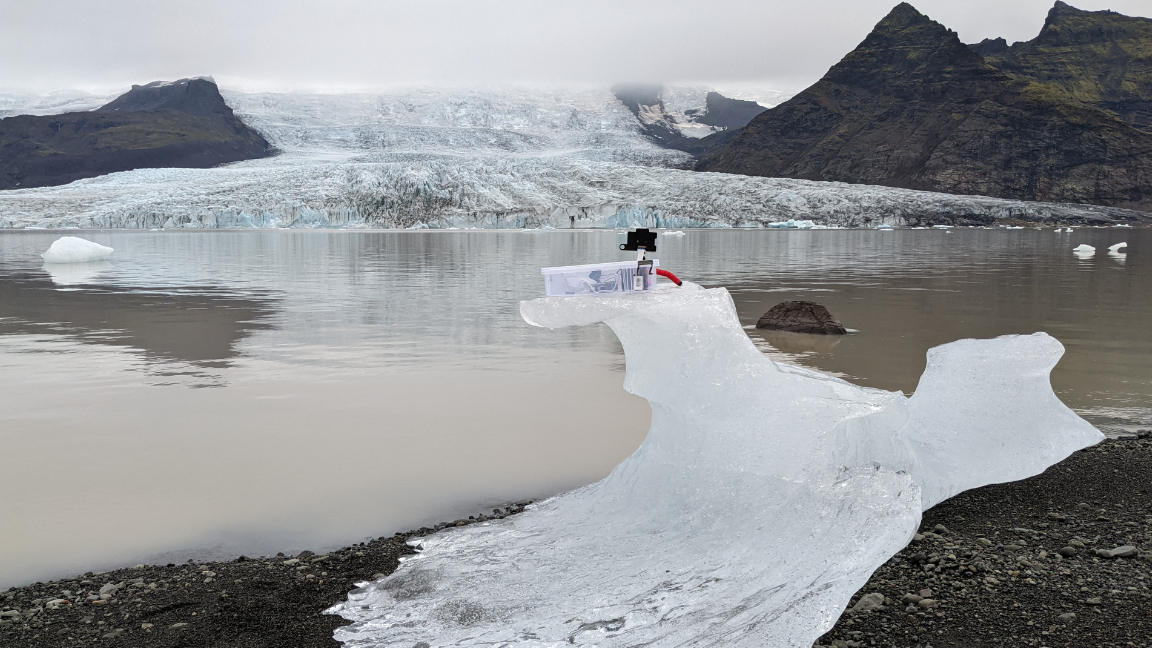
The Raspberry Pi is a flexible system with use cases ranging from retro gaming platforms to industrial use cases for factories and more. Today we’re sharing one research team's foray into science with the help of our favorite SBC and looking at how well it compares to modern, more expensive tools. Liam Taylor, Duncan Quincy, and Mark Smith recently deployed a set of Raspberry Pis to help monitor glacier calving in both Iceland and Peru.
According to the team, monitoring calving fronts is critical as extreme changes can result in environmental impacts for local residents. For example, things like tsunamis, floods, and the collapse of icebergs can cause serious damage, and monitoring these changes can help those living nearby respond before the problems worsen. Part of their research was to test the performance of a Raspberry Pi in monitoring these changes against more conventional tools they usually use, in this case, an unoccupied aerial vehicle (UAV).















