A single mistake can sometimes feel far larger than the act that caused it. One dishonest decision, one betrayal or one moment of wrongdoing may be followed by anxiety, suspicion and an uneasy awareness that refuses to disappear.
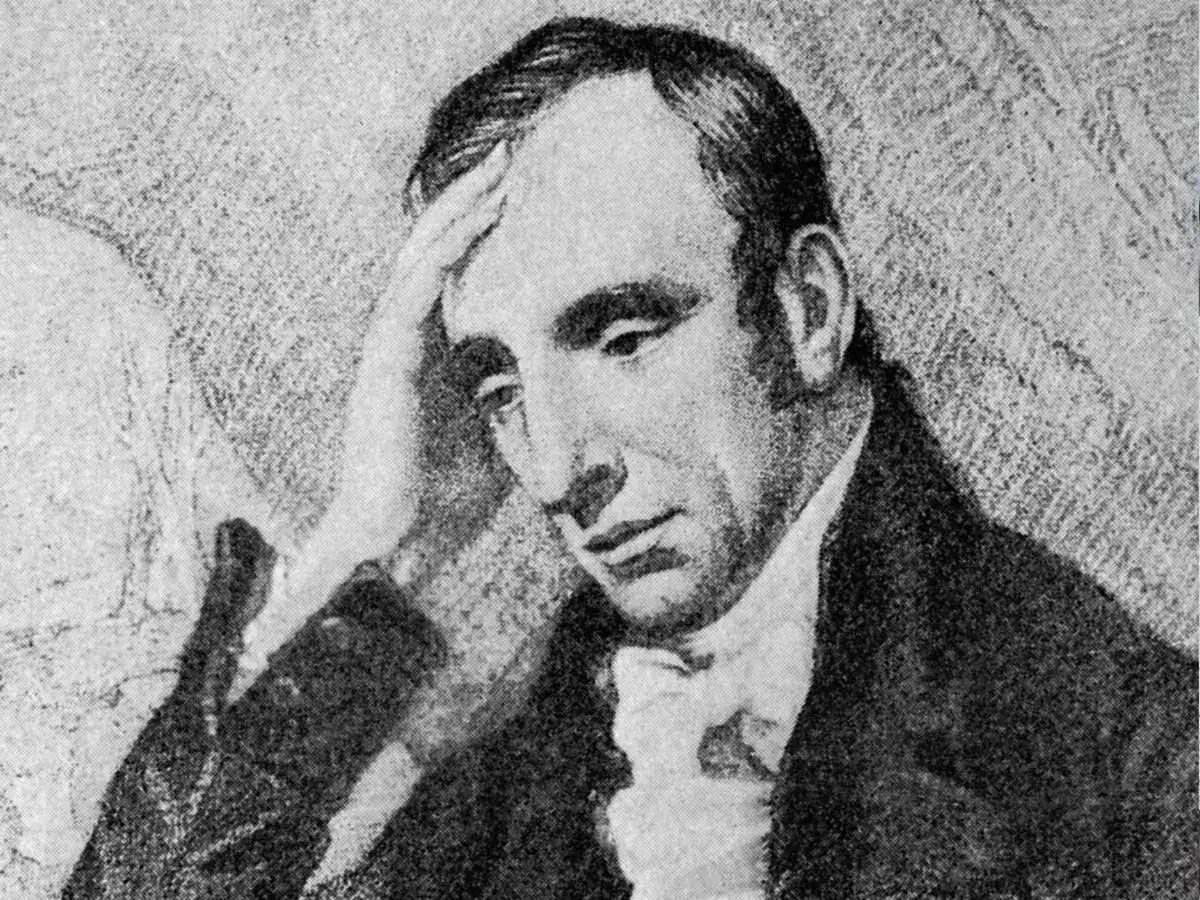
More than two centuries ago, English Romantic poet William Wordsworth captured that psychological aftermath in strikingly compact language. His observation suggests that guilt rarely remains confined to the deed itself. Once something troubling has happened, the mind can create its own echoes, multiplying fear and disturbing thoughts long after the original act has ended.