Get all your news in one place.
100's of premium titles.
One app.
Start reading
The Economic Times
The Economic Times
Advaita Suresh

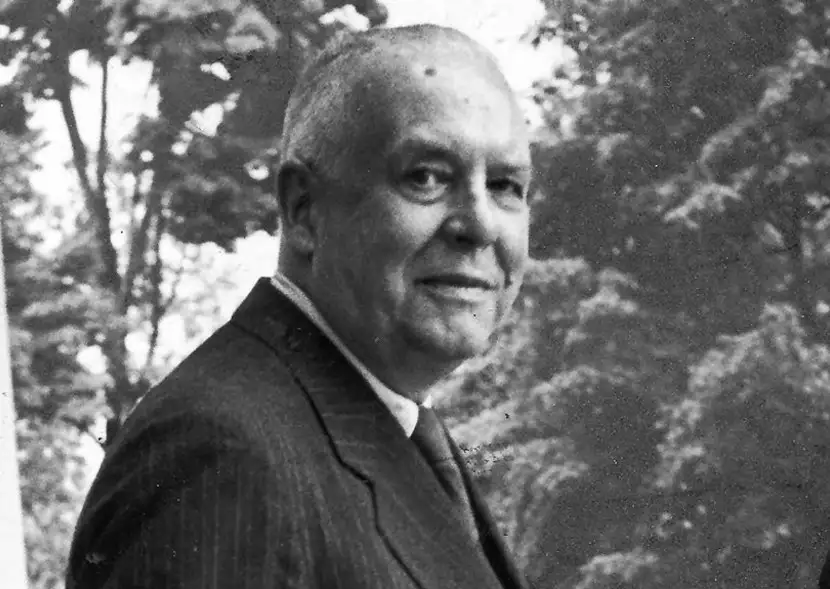
Quote of the Day by Wallace Stevens: “Human nature is like water. It takes the… – Inspiring lessons on human behavior, adaptability, social influence and how the people and circumstances around us changes our life by one of the most influential American Modernist Poet known for his deep insights on imagination, reality and the human experience

Quote of the Day by Wallace Stevens: Human nature is remarkably adaptable, constantly responding to the people, environments, and experiences that surround it. The way individuals think, behave, and develop is often influenced by their circumstances, whether at home, in the workplace, within communities, or through social interactions. Positive environments can encourage growth and confidence, while negative surroundings can shape attitudes and behaviors in less constructive ways.

His insightful quote, “Human nature is like water. It takes the shape of its container,” highlights the powerful role that the environment plays in shaping human behavior. In today’s world of rapid social change, digital influence, and evolving lifestyles, this observation remains highly relevant. It reminds us that people often adapt to the conditions around them, just as water naturally conforms to the shape of whatever holds it. Stevens’ words continue to inspire reflection on personal development, the importance of positive influences, and the impact that surroundings can have on character, choices, and overall well-being.

Quote of the Day Today: Wallace Stevens on self-awareness, and human potential, character development and success

Quote of the Day by Wallace Stevens: “Human nature is like water. It takes the shape of its container”

Meaning of Wallace Stevens’ Quote About Human Nature

Wallace Stevens’ quote, “Human nature is like water. It takes the shape of its container,” explores the powerful relationship between human behavior and the environment in which people live. The comparison of human nature to water suggests that individuals often adapt to the circumstances, cultures, relationships, and social conditions that surround them. Just as water changes shape depending on the vessel that holds it, people frequently adjust their attitudes, habits, and actions according to their surroundings.

However, the deeper meaning of the quote goes beyond simple adaptability. Stevens emphasizes that human character is not formed in isolation but is continuously influenced by external experiences and environments. Positive surroundings can encourage growth, confidence, and kindness, while negative influences may shape fear, stress, or unhealthy behaviors. The quote reminds us that understanding and improving our environment can play a significant role in personal development and success.

Why You Should Surround Yourself with People Who Bring Out the Best in You

Surrounding yourself with people who bring out the best in you is important because your environment plays a major role in shaping your mindset, habits, and overall growth. The people you spend time with influence how you think, what you believe, and the choices you make every day. When you are around positive, supportive, and motivated individuals, you are more likely to feel encouraged, confident, and inspired to improve yourself. Such relationships help you stay focused on your goals, build healthy habits, and develop emotional strength during difficult times. On the other hand, negative influences can drain your energy and limit your potential. Choosing the right company is not about perfection, but about finding people who support your growth, respect your values, and challenge you to become a better version of yourself.

Early Life of Wallace Stevens

Wallace Stevens was born on October 2, 1879, in Reading, Pennsylvania, United States. He grew up in a middle-class family that valued education and intellectual achievement. From an early age, Stevens showed a strong interest in literature, language, and creative expression. His childhood experiences, combined with his curiosity about the world around him, helped nurture the imagination that would later define his poetry.

Education and Intellectual Development

Stevens attended Harvard University, where he studied literature and developed a deeper appreciation for poetry and philosophy. Although he did not complete a degree at Harvard, his time there exposed him to important literary ideas and influential writers. He later studied law at the New York Law School and became a successful attorney. Despite pursuing a legal career, Stevens maintained a lifelong passion for poetry, often balancing his professional responsibilities with his creative pursuits.

Career as a Poet

Unlike many writers who devoted themselves entirely to literature, Stevens spent most of his adult life working in the insurance industry. He eventually became a senior executive at an insurance company while continuing to write poetry in his spare time. His unique ability to combine imagination, philosophy, and observations about reality earned him recognition as one of the most important American poets of the twentieth century.

Some of his most celebrated works include Harmonium , Ideas of Order , The Auroras of Autumn , and The Rock . His poetry often explored themes such as reality, imagination, human perception, and the search for meaning in everyday life.

Recognition and Literary Influence

Over time, Stevens gained widespread acclaim for his innovative style and intellectual depth. His work challenged readers to think deeply about the nature of existence, creativity, and human experience. He received numerous literary honors throughout his career, including the prestigious Pulitzer Prize for Poetry in 1955. Critics and scholars continue to regard him as one of America's most influential modernist poets.

Legacy and Lasting Impact

Wallace Stevens passed away on August 2, 1955, but his influence on literature remains strong. His poetry continues to be studied around the world for its originality, philosophical insight, and rich imagery. Stevens' reflections on imagination, reality, and human nature remain relevant to modern readers seeking a deeper understanding of themselves and the world around them.

Life Lessons from Wallace Stevens’ Famous Quote

Wallace Stevens’ quote teaches that human behavior is strongly influenced by the environments and circumstances surrounding us. Just as water adapts to the shape of its container, people often develop attitudes, habits, and perspectives that reflect the conditions in which they live and interact. The quote highlights the importance of choosing positive influences, supportive relationships, and healthy environments that encourage growth and personal development. It also reminds us that while circumstances can shape us, we have the ability to seek better surroundings that help bring out our best qualities. Stevens’ words continue to inspire self-awareness, adaptability, and a deeper understanding of how environment affects character and success.

Why This Quote Still Matters Today

Wallace Stevens’ quote remains highly relevant today because people are constantly influenced by their surroundings, both offline and online. Social media, workplaces, educational settings, friendships, and communities all play a significant role in shaping thoughts, behaviors, and attitudes. In a rapidly changing world, individuals often adapt to new environments and challenges just as water adjusts to a new container. The quote reminds us to be mindful of the influences around us and to create environments that support positivity, learning, and personal growth. Stevens’ message continues to highlight the powerful connection between human potential and the conditions that help it flourish.

Wisdom About Human Nature

Wallace Stevens’ quote, “Human nature is like water. It takes the shape of its container,” reflects a timeless truth about adaptability and personal development. Human beings are naturally influenced by the people, experiences, and environments that surround them. The quote suggests that character and behavior are often shaped by external conditions, making it important to seek surroundings that encourage growth, integrity, and well-being. This wisdom remains valuable because it reminds us that positive environments can nurture positive outcomes. By understanding the influence of our surroundings, we can make conscious choices that help us grow into better, stronger, and more resilient individuals.

Sign up to read this article
Read news from 100's of titles, curated specifically for you.
Already a member? Sign in here
Related Stories
Top stories on inkl right now
One subscription that gives you access to news from hundreds of sites
Already a member? Sign in here
Our Picks
Fourteen days free
Download the app
One app. One membership.
100+ trusted global sources.