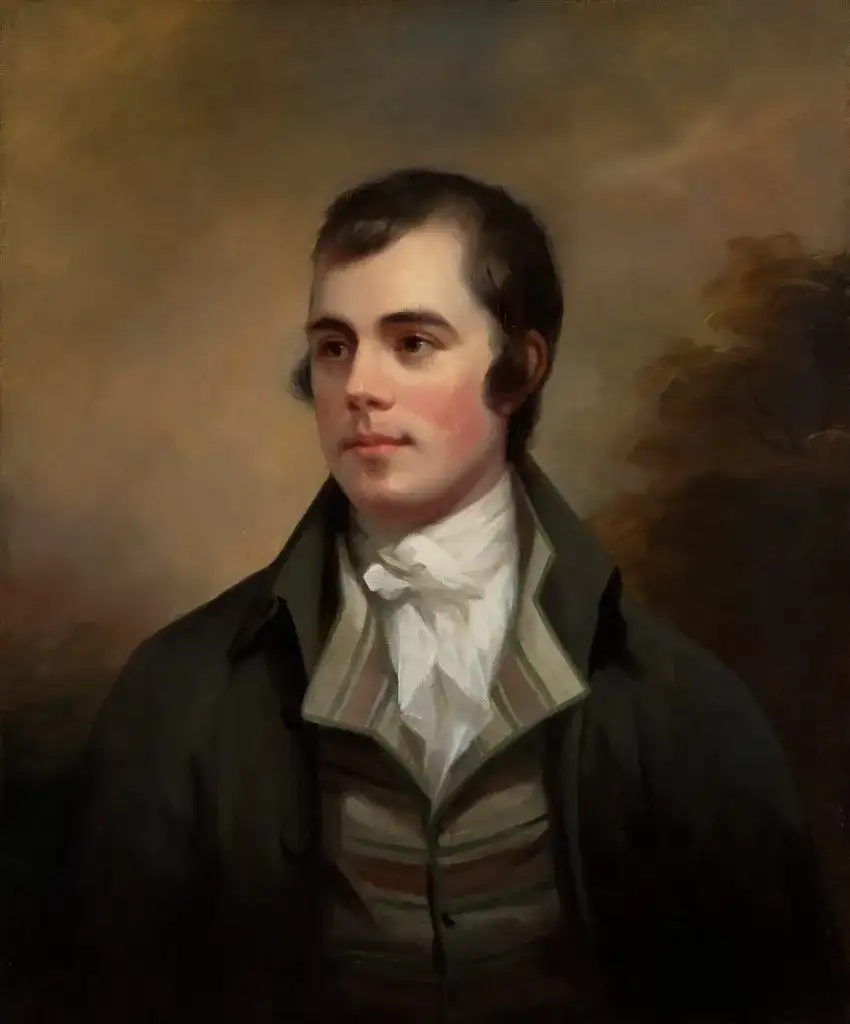
Quote of the Day by Robert Burns: Robert Burns, one of Scotland’s most influential poets, is celebrated for his ability to capture deep human emotions in simple yet powerful language. Born in 1759, Burns rose from humble beginnings to become a literary icon whose works continue to influence world literature. His poetry often reflects everyday life, nature, struggle, compassion, and the unpredictability of human experience. The famous line “The best laid plans of mice and men often go awry” comes from his poem To a Mouse. In this work, Burns reflects on how even the most carefully made plans can fail due to forces beyond human control. This idea has become one of the most widely recognized expressions of life’s uncertainty, used across cultures and generations.

Quote of the Day Today: Robert Burns on uncertainty, failed plans, destiny and why life is unpredictable
Quote of the Day by Robert Burns: “The best laid plans of mice and men often go awry”
Meaning of the Quote of the Day – Robert Burns Quote Explained: What “Mice and Men” Really Means
The quote by Robert Burns goes beyond a simple observation about failed plans, it reflects a deeper truth about the unpredictability of human life. It suggests that no matter how carefully individuals design their goals or prepare for the future, life often introduces unexpected changes that can completely alter the outcome. These disruptions may come from nature, society, other people, or even chance itself.
Burns uses the contrast between “mice and men” to show that uncertainty is universal and affects all living beings, regardless of size, strength, or intelligence. The phrase “go awry” emphasizes that failure is not always caused by human error but is often a natural part of existence. In a broader sense, the quote of the day encourages acceptance of imperfection in life and highlights the limits of human control over events. It also carries a subtle emotional tone, reminding us that disappointment is a shared human experience, not an exception.
Why Life is Unpredictable
Life is unpredictable because it is shaped by countless factors that are constantly changing, many of which are beyond human control. Events, decisions, environment, and chance all interact in ways that are difficult to fully anticipate. Even when people carefully plan their future, unexpected situations such as economic shifts, health changes, natural events, or personal choices of others can alter outcomes suddenly. Human understanding is also limited, which makes it impossible to predict every consequence accurately. This uncertainty is what makes life dynamic and uncertain, reminding us that flexibility, patience, and adaptability are essential for navigating its continuous changes.
Man proposes, God disposes
The expression “Man proposes, God disposes” means that humans can make plans and set intentions, but the final outcome is often determined by forces beyond their control. This idea closely relates to the quote of the day by Robert Burns, “The best laid plans of mice and men often go awry,” which also highlights the unpredictability of life. Both expressions emphasize that no matter how carefully people prepare, unexpected events can change results completely. Together, they remind us that while planning is important, acceptance, flexibility, and humility are equally necessary because life does not always follow human expectations or control.
Robert Burns Biography: Life and Early Background
Robert Burns was born on January 25, 1759, in Alloway, Ayrshire, Scotland, into a poor farming family. His early life was shaped by hard physical labor, financial struggles, and the demanding realities of rural life. These experiences gave him a deep understanding of ordinary people’s hardships, which later became a central theme in his poetry.
From a young age, Burns showed a natural talent for writing and observing human behavior. His upbringing in the Scottish countryside also gave him a strong connection to nature, seasons, and rural traditions, all of which frequently appear in his poems. His life was short, he died in 1796 at the age of 37 but his influence became far greater after his death, as his work gained recognition across the world.
Literary Journey of Robert Burns: Writing Style and Influence
Robert Burns began writing poetry in his early adulthood while working on farms. His early poems were often inspired by love, nature, and everyday experiences, but they quickly evolved into deeper reflections on society, morality, and human emotion. One of the defining features of his writing is his use of both Scots dialect and English. This allowed him to preserve Scottish cultural identity while also reaching a wider audience. His language is direct, expressive, and emotionally rich, making complex human feelings easy to understand.
He was also skilled in songwriting, and many of his poems were turned into songs that remain popular even today. His ability to blend music, rhythm, and poetry helped his work spread widely during and after his lifetime.
Major Works of Robert Burns: Famous Poems and Songs
Robert Burns created a large body of work that continues to define Scottish literature. Some of his most famous works include
Auld Lang Syne,
To a Mouse,
Tam o’ Shanter,
A Red, Red Rose, and
The Banks o’ Doon. Each of these works reflects different aspects of human life, from love and friendship to fear, regret, and reflection.
Auld Lang Syne, in particular, has become a global symbol of farewell and remembrance, sung across the world during New Year celebrations. To a Mouse reflects his empathy toward living creatures and the unpredictability of life, while Tam o’ Shanter shows his storytelling skill through humor and supernatural themes.
Burns’ contribution goes beyond poetry, he helped elevate Scots language and culture at a time when it was often undervalued. His writing gave voice to ordinary people and highlighted the importance of equality, compassion, and shared humanity. He is often seen as a pioneer of the Romantic movement due to his focus on emotion, nature, and individual experience.
Legacy of Robert Burns: Cultural and Literary Impact
Robert Burns remains one of the most celebrated literary figures in world history. His legacy is deeply rooted in both Scottish identity and global literature. Every year, Burns Night is celebrated on January 25th with poetry readings, traditional food, music, and cultural events, honoring his life and contributions. His influence extends far beyond Scotland. Writers, poets, and musicians around the world have been inspired by his themes of love, equality, and human resilience. His works continue to be studied in schools and universities for their emotional depth and cultural significance.
Burns is remembered not only as a poet but as a voice for the common people, someone who captured the beauty and struggles of everyday life with honesty and compassion. His ability to connect deeply with human emotions ensures that his work remains relevant even centuries after his death.
Life Lessons from Robert Burns Quote on Failed Plans
Accept that life is unpredictable
One of the most important lessons is that uncertainty is a natural part of life. Even the most well-thought-out plans may not unfold as expected.
Success depends on adaptability
Instead of rigidly sticking to plans, people must learn to adjust when circumstances change. Flexibility often leads to better long-term outcomes.
Failure is part of the process
The quote reminds us that failure is not always avoidable. What matters is how we respond to setbacks and continue moving forward.
Control is limited
Humans often believe they can fully control their future, but Burns highlights the reality that many factors lie beyond our control.
Humility in planning
The quote encourages humility, recognizing that no matter how intelligent or careful we are, we cannot predict everything.
Why Robert Burns Quote is Still Relevant Today
In today’s world, the relevance of Robert Burns’s quote of the day has only grown stronger because modern life is built on planning, forecasting, and structured goals. People plan careers, finances, education paths, relationships, and long-term ambitions with great precision, yet unexpected events continue to reshape those plans in ways that cannot always be predicted or prevented.
The timeless quote remains powerful because it reflects the reality of uncertainty in a fast-changing world influenced by technology, global events, economic shifts, and personal circumstances. Even with advanced systems and knowledge, life does not always follow logical patterns. This reminds people that adaptability is just as important as planning. It also matters emotionally because it helps people cope with disappointment.
When plans fail, the quote of the day offers comfort by normalizing failure as part of life rather than a personal defeat. It encourages resilience, patience, and the understanding that setbacks often redirect people toward new opportunities they could not have planned for.
English Equivalent and Related Expressions
Other English expressions that reflect similar ideas to the quote of the day “The best laid plans of mice and men often go awry” by Robert Burns include:
- “Things don’t always go as planned.”
- “Expect the unexpected.”
- “Life is full of surprises.”
- “Best-made plans can fail.”
- “Nothing goes exactly as expected.”
- “The future is uncertain.”
- “Plans often fall apart.”
- “Even careful planning can go wrong.”
- “What can go wrong often does.”
Each of these expressions highlights the themes of uncertainty, unpredictability, and the limits of human control. They reflect the idea that no matter how carefully people prepare or plan their future, external forces, chance events, and changing circumstances can completely alter outcomes.