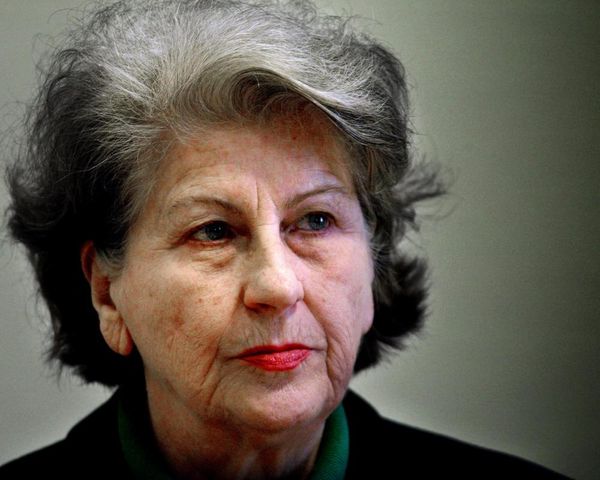
Quote of the Day by Paulo Coelho: Love has the power to transform how people see themselves and how they experience life. It can bring emotional warmth, deepen human connection, and give life a sense of meaning, purpose, and belonging. When love is genuine, it often encourages individuals to reflect on themselves, grow emotionally, and strive to become better versions of who they are.
His powerful quote, “When we love, we always strive to become better than we are. When we strive to become better than we are, everything around us becomes better too,” highlights the deep connection between love and personal growth. It suggests that love is not just an emotion but a guiding force that inspires self-improvement and positive change.

Quote of the Day Today: Paulo Coelho on power of relationships
Quote of the Day by Paulo Coelho: “When we love, we always strive to become better than we are. When we strive to become better than we are, everything around us becomes better too.”
Meaning of Paulo Coelho’s Quote About Love and Personal Growth
Paulo Coelho’s quote, “When we love, we always strive to become better than we are. When we strive to become better than we are, everything around us becomes better too,” explores the deep connection between love, self-improvement, and emotional transformation. The idea of “becoming better than we are” reflects personal growth, where love acts as a motivating force that encourages individuals to develop emotionally, mentally, and morally. Coelho suggests that love is not just a feeling, but a powerful influence that inspires people to improve themselves and their outlook on life.
At a deeper level, the quote emphasizes that true love should lead to positive change rather than emotional stagnation. It encourages individuals to become more compassionate, understanding, and self-aware. When love inspires growth, it naturally enhances the quality of relationships, making them healthier, more respectful, and more meaningful. This transformation is not limited to the individual but extends to the environment around them. In essence, Coelho’s message highlights that love and self-improvement are interconnected. When people grow through love, they begin to reflect that growth in their actions, relationships, and surroundings, creating a ripple effect of positivity and emotional balance in their lives.
How Love makes you a better person
Love has a powerful way of shaping people into better versions of themselves. When someone truly loves, they become more patient, understanding, and emotionally aware. Love encourages self-reflection, helping individuals recognize their flaws and work on improving them. It also builds empathy, allowing people to see situations from another person’s perspective and respond with kindness instead of judgment. Through love, people often develop greater responsibility, care more about their actions, and strive to create happiness for those they care about. It also inspires personal growth, motivating individuals to break bad habits and adopt positive changes. Over time, love strengthens emotional maturity, builds confidence, and teaches the value of respect and compromise. In this way, love does not just connect two people—it transforms them, guiding them toward becoming more compassionate, balanced, and better human beings in everyday
Early Life of Paulo Coelho
Paulo Coelho was born on August 24, 1947, in Rio de Janeiro, Brazil, into a middle-class family. His father, Pedro Queima Coelho de Souza, was an engineer, while his mother, Lygia Coelho, was a homemaker who supported his early education. From a young age, Coelho showed a strong imagination and a deep interest in writing, storytelling, and spiritual ideas. However, his unconventional personality and creative ambitions often clashed with traditional expectations, leading to misunderstandings within his family during his teenage years.
Education and Early Struggles
Coelho attended Jesuit schools, where he received a strict and disciplined education. Despite this structured environment, he struggled with authority and conventional academic paths. His parents, concerned about his future, even sent him to a mental institution multiple times during his youth. These difficult experiences deeply influenced his emotional world and later became important themes in his writing, especially around identity, freedom, and self-discovery. Eventually, he left formal education to pursue his passion for writing and exploration.
Journey Before Becoming a Writer
Before achieving literary fame, Paulo Coelho explored several creative and unconventional paths. He worked as a lyricist in Brazil’s music industry, collaborating with well-known artists and writing songs that gained popularity. He also traveled extensively, experiencing different cultures, philosophies, and spiritual traditions. One of the most transformative moments in his life was his pilgrimage along the Camino de Santiago in Spain, which later inspired his most famous work, The Pilgrimage . These experiences shaped his worldview and strengthened his belief in destiny, purpose, and personal transformation.
Rise as a Writer and Literary Fame
Paulo Coelho rose to global recognition with the publication of The Alchemist , one of the most widely translated books in the world. His writing is known for its simple yet profound exploration of spirituality, destiny, love, and self-growth. Coelho’s works often blend philosophical reflection with storytelling, making complex ideas accessible to readers across cultures. Other notable works include Brida , Veronika Decides to Die , and Eleven Minutes . His literary success established him as one of the most influential contemporary authors.
Legacy and Lasting Influence
Today, Paulo Coelho is regarded as a global literary figure whose works continue to inspire millions of readers. His stories often emphasize following one’s dreams, trusting the journey of life, and embracing personal transformation. Translated into dozens of languages, his books have reached audiences worldwide and continue to influence modern thought on spirituality and self-development. Coelho’s legacy lies in his ability to connect deeply personal experiences with universal human emotions, making his work timeless and widely relatable.
Life Lessons from Paulo Coelho’s Famous Quote
Paulo Coelho’s quote teaches that love is deeply connected to personal growth and emotional transformation. It suggests that when people truly love, they are naturally inspired to improve themselves, become more aware of their actions, and develop a better version of who they are. True love is not static; it encourages progress, self-reflection, and emotional maturity. The quote highlights that healthy love does not limit a person but instead motivates them to grow with compassion, understanding, and purpose. In modern relationships, this message is especially meaningful because emotional development and mutual support play a vital role in building strong connections. Coelho’s words remind us that love should uplift character, strengthen emotional awareness, and inspire positive change in both individuals and their surroundings.
Why This Quote Still Matters Today
Paulo Coelho’s quote remains highly relevant today because modern relationships are closely tied to emotional growth, self-improvement, and shared understanding. In a fast-changing world, people often seek meaning and direction in their relationships. This quote reminds us that love should not only bring comfort but also inspire individuals to become better versions of themselves. It highlights the importance of emotional growth, where both partners encourage each other to evolve in positive ways. Today, when distractions and emotional disconnect are common, Coelho’s message reinforces the idea that love should create balance, purpose, and continuous self-improvement. It continues to inspire people to build relationships that are supportive, growth-oriented, and emotionally enriching.
Relationship Wisdom
Paulo Coelho’s quote, “When we love, we always strive to become better than we are,” reflects a timeless truth about emotional connection and self-development. Real relationships are not just about companionship but about mutual growth and transformation. Love should inspire individuals to reflect on themselves, improve their behavior, and build stronger emotional awareness. It should never hold a person back but instead push them gently toward becoming more compassionate, responsible, and self-aware. This wisdom remains relevant because it emphasizes that healthy relationships are built on shared growth. True love does not just accept people as they are—it encourages them to evolve into better, more fulfilled versions of themselves.