Get all your news in one place.
100's of premium titles.
One app.
Start reading
The Economic Times
The Economic Times
Muskan Singh

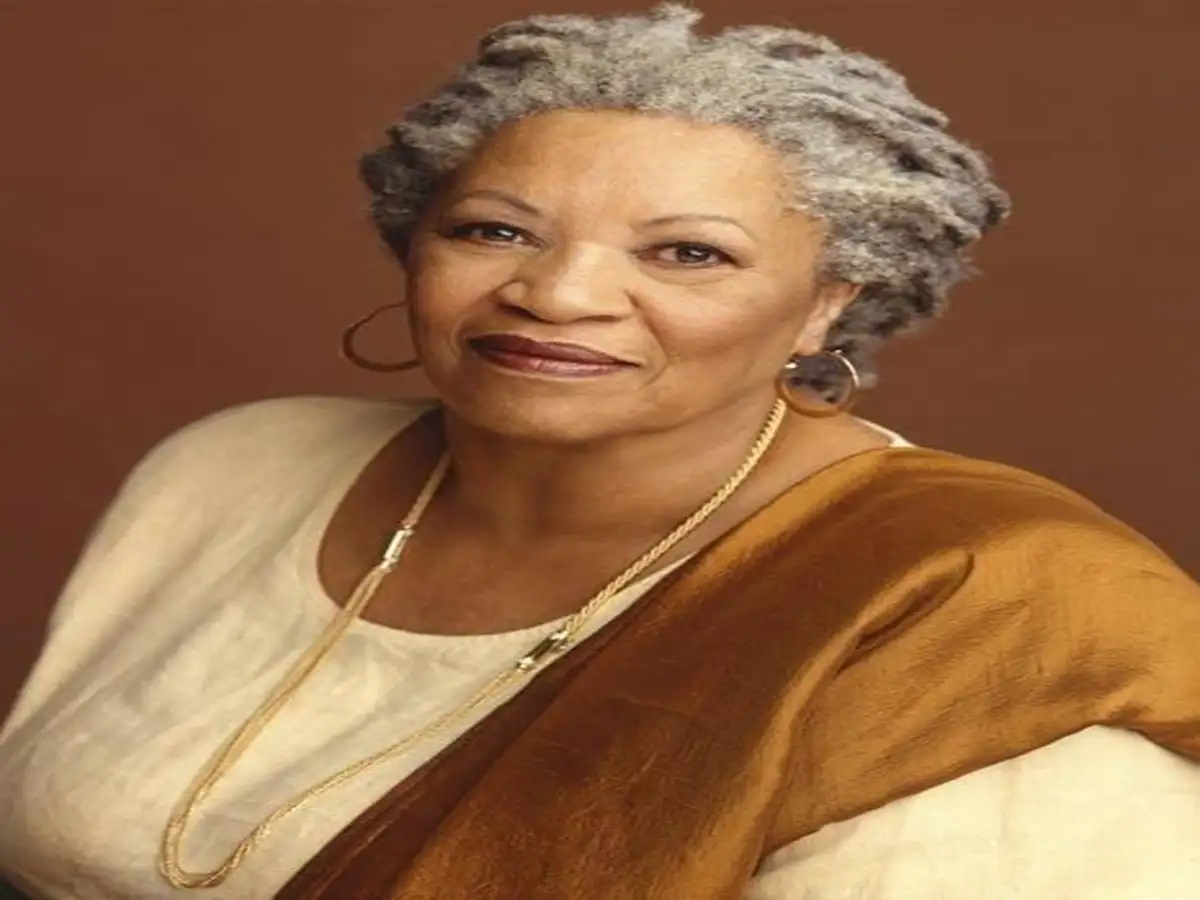
Quote of the Day by Nobel Prize-winning author Toni Morrison: 'At some point in life the world's beauty becomes enough...'- Life lessons on presence, gratitude, and finding peace in the present moment

Quote of the Day by Toni Morrison : There is a growing concept in modern psychology known as mindful awareness, the practice of experiencing life as it unfolds rather than constantly trying to capture, preserve, or control it. In a culture driven by social media, endless documentation, and the pressure to turn every meaningful moment into content, this idea feels increasingly relevant. Mindfulness teaches that some experiences are most valuable when they are simply lived.

READ ALSO: Quote of the day by influential Harvard cognitive psychologist Steven Pinker: 'We will never have a perfect world, but...'-Life lessons on progress, optimism, reason, resilience, and building a better future

Quote of the day: Psychological context

Today's quote of the day by acclaimed American novelist Toni Morrison, "At some point in life the world's beauty becomes enough. You don't need to photograph, paint, or even remember it. It is enough," speaks directly to this deeper understanding of human contentment.

The quote challenges one of the defining habits of modern life: the urge to capture everything. We often believe that beauty must be preserved through photographs, documented through stories, or stored as memories to have value. Morrison gently suggests the opposite. Some moments are complete in themselves. Their purpose is not to be owned or archived but simply experienced.

Her words point toward a rare form of emotional maturity. When people are young, they often feel compelled to hold onto every meaningful experience. They fear losing it. As wisdom grows, however, many begin to realize that beauty does not become more valuable because it is preserved. Sometimes the deepest appreciation comes from allowing a moment to exist exactly as it is before letting it pass.

Morrison's quote reminds us that true fulfillment often comes not from possession but from presence.

READ ALSO: Life lesson of the day by Muhammad Ali: 'You lose nothing when you fight for...'- A powerful life lesson about courage, purpose and fighting for your beliefs by one of the greatest boxers in history

Toni Morrison quote of the day: Deeper meaning and modern relevance

The deeper meaning of Morrison's observation lies in the relationship between beauty and acceptance.

Much of human anxiety comes from the desire to hold on to things that are temporary. We want special moments to last forever. We want relationships to remain unchanged. We want happiness to stay exactly as it is. Yet life moves forward regardless of our wishes.

Morrison's words offer a different path. Instead of fighting impermanence, she invites us to embrace it.

There is something profoundly liberating about recognizing that beauty does not need to be permanent to be meaningful. A sunset remains beautiful even after it disappears. A conversation remains valuable even if it is never recorded. A joyful moment retains its worth even if no photograph exists to prove it happened.

This message feels especially important in today's hyperconnected world. Many people experience life through a screen, constantly documenting vacations, celebrations, meals, and personal milestones. The pressure to record every experience can sometimes prevent people from fully living it.

Morrison's quote serves as a reminder that not every beautiful moment needs an audience. Not every experience requires validation. Sometimes the greatest gift we can give ourselves is complete attention to the present.

In an age of endless sharing, her words encourage something increasingly rare: quiet appreciation.

READ ALSO: Quote of the Day by Carl Rogers: 'If I let myself really understand another person, I might be...'- Inspiring lessons on empathy, fear, and human connection by the famous American psychologist, esteemed as one of the founders of humanistic psychology

More about Toni Morrison

Born Chloe Ardelia Wofford on February 18, 1931, in Lorain, Ohio, Toni Morrison became one of the most influential literary voices of the twentieth century.

Raised in a family that deeply valued storytelling, folklore, music, and Black cultural traditions, Morrison developed an early appreciation for the power of language. She attended Howard University before earning a master's degree from Cornell University and later worked as both a teacher and editor, as per information taken from Britannica.

READ ALSO: Best Proverb of the Day: 'Do not withhold good from those who need it...'- A timeless lesson on kindness, responsibility, and human compassion

As an editor at Random House, Morrison helped bring the voices of numerous African American writers into mainstream publishing. She became the first African American woman editor at the company and played a significant role in expanding opportunities for Black authors.

Her literary career transformed American literature. Novels such as The Bluest Eye (1970), Sula (1973), Song of Solomon (1977), Beloved (1987), Jazz (1992), and Paradise (1998) explored themes of memory, identity, history, family, race, love, and resilience.

Beloved, widely regarded as her masterpiece, earned the Pulitzer Prize for Fiction and remains one of the most celebrated novels in American literary history.

In 1993, Morrison became the first Black woman to receive the Nobel Prize in Literature. The Nobel Committee praised her for novels characterized by visionary force and poetic richness.

Throughout her career, Morrison viewed language as a powerful tool for understanding humanity. In her Nobel Lecture, she spoke about language as a force that creates meaning, preserves identity, and defines the human experience.

She continued writing, teaching, and inspiring readers around the world until her death on August 5, 2019.

READ ALSO: Psychology says people who decline invitations more often as they get older may not be becoming unfriendly, they may be becoming more selective

Today, Morrison's legacy extends far beyond literature. Her reflections on memory, beauty, identity, and human connection continue to resonate across generations. This quote, like much of her work, reminds readers that some of life's most profound experiences do not need to be captured or explained. Sometimes, beauty itself is enough.

Sign up to read this article
Read news from 100's of titles, curated specifically for you.
Already a member? Sign in here
Related Stories
Top stories on inkl right now
One subscription that gives you access to news from hundreds of sites
Already a member? Sign in here
Our Picks
Fourteen days free
Download the app
One app. One membership.
100+ trusted global sources.