Get all your news in one place.
100's of premium titles.
One app.
Start reading
The Economic Times
The Economic Times
Gandharv Walia

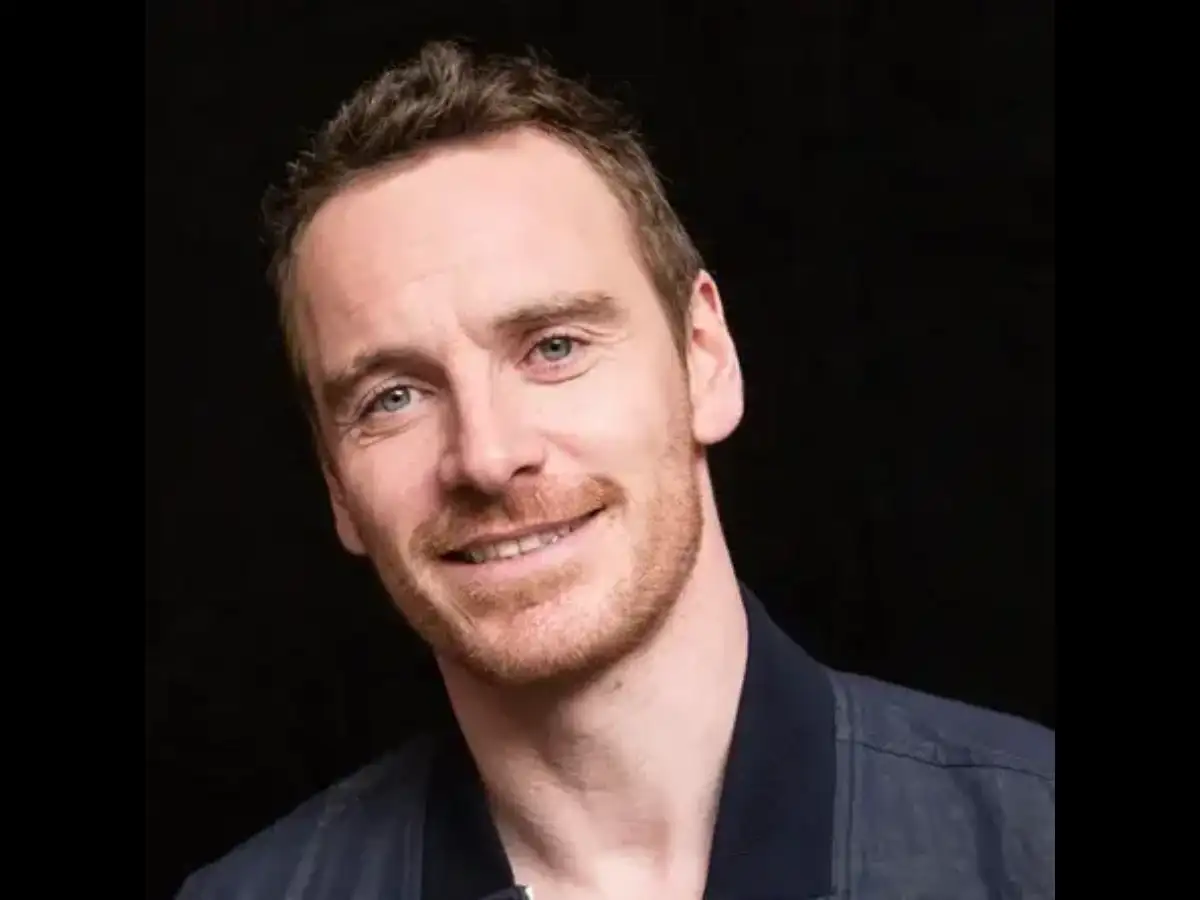
Quote of the day by Michael Fassbender: 'There’s too much thinking in life.' Life lessons from inspiring quote on excessive analysis, discomfort, failure and endless worrying

Quote of the day by Michael Fassbender : “There’s too much thinking in life.” The line offers a way to look at overthinking and the effect it can have on everyday decisions. People often spend time thinking about what could happen, what may go wrong and whether they are making the right choice. This can make simple decisions difficult. The quote suggests that life also requires action and experience. It asks people to stop second-guessing every move and to pay attention to what is happening in the present. Its message is linked to trusting instincts, accepting discomfort, dealing with failure and keeping life simple.
The meaning behind the quote

Michael Fassbender said,

“There’s too much thinking in life.”

The quote focuses on the habit of thinking about a situation for too long. Overthinking can affect decisions. A person may keep examining the same choice instead of making a decision. This can create fear and uncertainty. The quote can also be understood as a reminder that not every part of life needs a complete explanation. Some experiences need to be lived rather than analysed.

The main ideas connected to the quote include:

  • Overthinking can affect peace of mind.
  • Excessive analysis can delay action.
  • Worry can create problems that may never happen.
  • Thinking about future outcomes can take attention away from the present.
  • Trusting instincts can help people make decisions.
  • Experience can teach lessons that planning cannot always provide.

Quote of the day today: Why overthinking can become a problem?

Overthinking often begins with a simple question. A person may then consider several possible answers and outcomes. The process can continue until the original decision becomes difficult. One problem is that people may create negative outcomes in their minds. They may worry about failure, rejection or making the wrong choice. Many of these situations may never happen.

Another issue is analysis paralysis. This happens when a person keeps collecting information and comparing options but does not act. For example, someone may want to start a new course but spend weeks comparing different courses. Another person may want to change jobs but keep thinking about every possible risk. Thinking can be useful, but endless thinking can prevent action.

The quote points toward a balance. Thinking before acting has value. However, there is also a point where action becomes more useful than another round of analysis.

Life lessons from the quote

The life lessons are:

Take the first step

One lesson is to begin before everything feels certain. People often wait until they feel completely ready. That point may never come. Taking the first step can reduce fear because it changes an idea into an experience. Once a person starts, the next decision may become easier.

Trust your instincts

The quote also connects with trusting instincts. People sometimes know what they want but continue looking for reasons to doubt themselves. Instinct does not mean ignoring facts. It means recognising that personal experience and immediate understanding can also help with decisions. A person can consider the information available and then make a choice without continuing to question it forever.

Live in the present

Worrying about the future can take attention away from the current moment. Thinking about “what if” situations can make it difficult to enjoy what is happening now. Living in the present does not mean ignoring future responsibilities. It means giving attention to the current task instead of spending all the time imagining possible problems.

Embrace discomfort

Change can feel uncomfortable. Starting a new job, learning something new or making an important decision can create uncertainty. Avoiding discomfort can keep people inside familiar routines. Growth often requires taking a step despite uncertainty. The lesson is not to seek difficulty for its own sake. It is to avoid allowing fear to become the reason for doing nothing.

Accept failure

Failure is another part of the message. A person may avoid action because they are afraid of making a mistake. Failure does not always end a journey. If a person falls, they can examine what happened, make changes and try again. This approach can make failure part of learning rather than a reason to stop.

Keep things simple

Another lesson is to remove unnecessary pressure. Social expectations, opinions and fear of judgement can influence decisions. People can ask what actually matters to them instead of trying to meet every expectation around them. Keeping things simple can help people focus on their priorities and reduce the noise around a decision.

READ ALSO: Quote of the day by Ed Harris: 'One of the first things I learned...' Life lessons from inspiring quote on self-discovery, personal growth, jealousy, honesty, success, authenticity, vulnerability and inner focus

Michael Fassbender’s career and background

Michael Fassbender was born on April 2, 1977, in Heidelberg, West Germany, now Germany. His mother, Adele Fassbender, is from Northern Ireland, while his father, Josef Fassbender, is German. When Fassbender was two years old, his family moved to Killarney, County Kerry, Ireland. The family included his elder sister. His parents later bought a restaurant, where Josef worked as a chef. Fassbender sometimes worked there as a bartender.

At 17, Fassbender became interested in acting after appearing in a local play. He enrolled at the Drama Centre London at 19. He later left the school and toured with the Oxford Stage Company in a production of Three Sisters. His television career included a role in the HBO World War II miniseries Band of Brothers in 2001. His career then slowed, and he worked as a bartender and in other jobs while continuing to pursue acting.

In 2005, he got a supporting role in 300, released in 2006. His career changed after Steve McQueen cast him in Hunger in 2008. Fassbender played Bobby Sands, an Irish Republican Army member who went on a hunger strike while imprisoned. The performance brought attention from Quentin Tarantino, who cast him as British Lieutenant Archie Hicox in Inglourious Basterds in 2009.

In 2011, Fassbender worked with McQueen again in Shame. He played a man dealing with sexual addiction and received the Best Actor award at the Venice Film Festival. That year, he also appeared in Jane Eyre and X-Men: First Class as Erik Lensherr, also known as Magneto.

12 Years a Slave, Steve Jobs and later films

In 2012, Fassbender played an android in Ridley Scott’s Prometheus. He then worked with McQueen on 12 Years a Slave in 2013. The film follows Solomon Northup, a free Black man who was abducted and sold into slavery. Fassbender played Edwin Epps, a plantation owner who becomes obsessed with Patsey, played by Lupita Nyong’o. Fassbender received an Academy Award nomination for Best Supporting Actor.

In 2015, he played Steve Jobs in Danny Boyle’s film Steve Jobs. The role earned him another Academy Award nomination. His other work during this period included Macbeth with Marion Cotillard. He also returned as Magneto in X-Men: Days of Future Past in 2014, X-Men: Apocalypse in 2016 and X-Men: Dark Phoenix in 2019.

His later work included Assassin’s Creed in 2016, Alien: Covenant in 2017, The Killer in 2023 and Next Goal Wins in 2023, where he played the coach of the American Samoa football team. He returned to television with The Agency in 2024. In 2025, he appeared with Cate Blanchett in Steven Soderbergh’s Black Bag, which follows married intelligence agents.

Personal life

Fassbender married actress Alicia Vikander in 2017. The two worked together in The Light Between Oceans, released in 2016. They have two children. The career of Michael Fassbender also gives context to the message behind the quote. His path included acting training, early television work, periods when he worked outside acting, auditions, major film roles and continued work across film and television.

What the quote teaches about everyday life?

The central idea is simple. Thinking has a purpose, but endless thinking can become an obstacle.

A person can use the message in daily life by:

  • Making a decision after considering the important facts.
  • Starting a task instead of waiting for perfect conditions.
  • Accepting that mistakes can happen.
  • Spending less time imagining negative outcomes.
  • Paying attention to the current moment.
  • Listening to personal instincts.
  • Accepting discomfort during periods of change.
  • Reducing pressure from other people’s expectations.
  • Learning from failure instead of avoiding action.
  • Focusing on what matters instead of trying to control every outcome.

The quote does not suggest that people should stop thinking. Instead, it can be read as a reminder that thinking should support life rather than replace it. Decisions need thought, but experiences also require action.

Sign up to read this article
Read news from 100's of titles, curated specifically for you.
Already a member? Sign in here
Related Stories
Top stories on inkl right now
One subscription that gives you access to news from hundreds of sites
Already a member? Sign in here
Our Picks
Fourteen days free
Download the app
One app. One membership.
100+ trusted global sources.