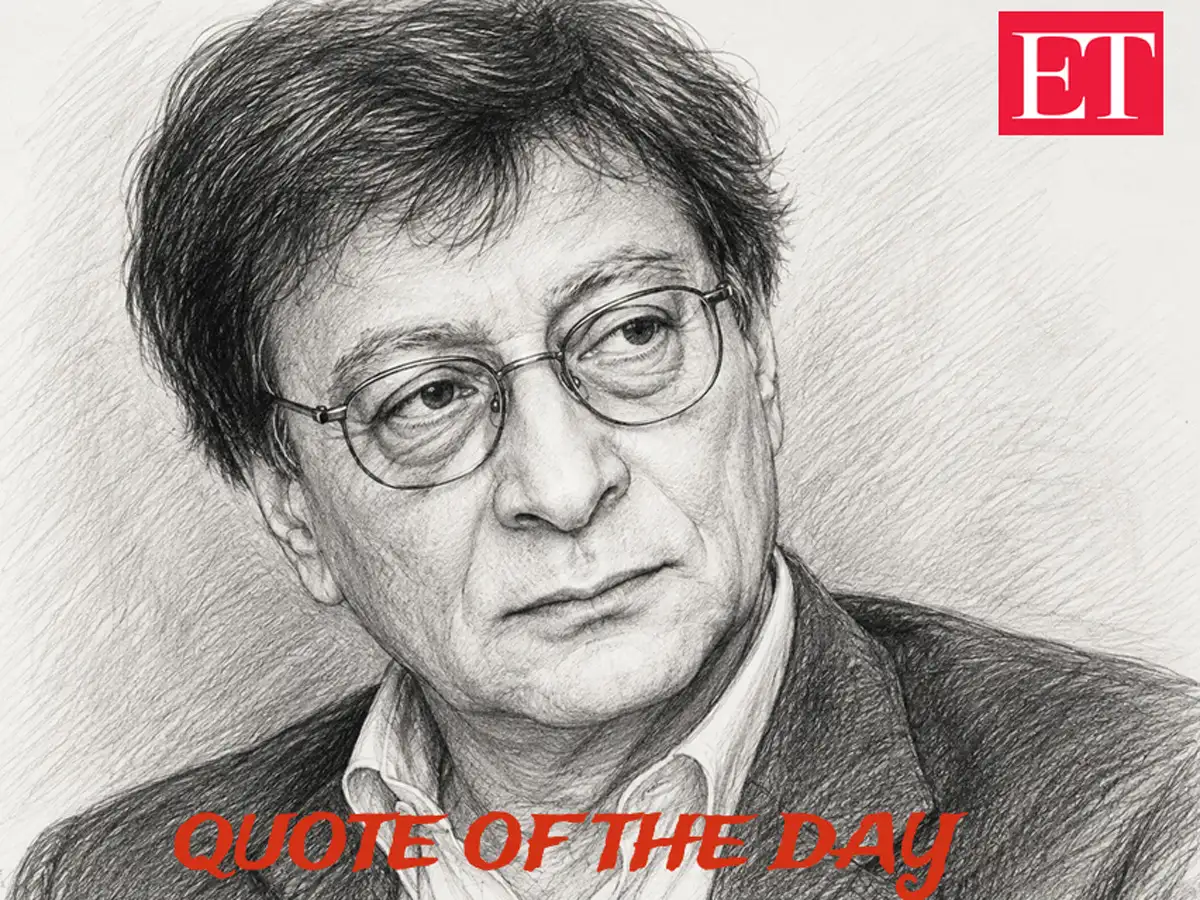
Mahmoud Darwish was one of the most influential Palestinian poets of the modern era. Known for his powerful language, emotional depth and reflections on exile, identity, memory and belonging, Darwish turned personal and political experiences into poetry that reached readers far beyond the Arab world. His work explored what it means to lose a homeland, search for identity and preserve memories through words. Although much of his writing was connected to the Palestinian experience, his themes were deeply human and universal. Darwish's poetry often moved between intimate emotions and larger questions about history, freedom and displacement. Over a career spanning decades, he published numerous poetry collections and became an important literary figure whose work continues to be translated, studied and read internationally.
Darwish was born on March 13, 1941, in al-Birwa, a Palestinian village in the Galilee. His family left the village when he was a child during the 1948 Arab-Israeli war and later returned to the area. That experience of displacement became an important influence on his writing. He began publishing poetry while still young and quickly gained recognition for his distinctive voice. His early work reflected the experiences of Palestinians living with displacement and political uncertainty. Over time, however, his poetry developed beyond direct political expression and increasingly explored love, memory, death and the meaning of home.