
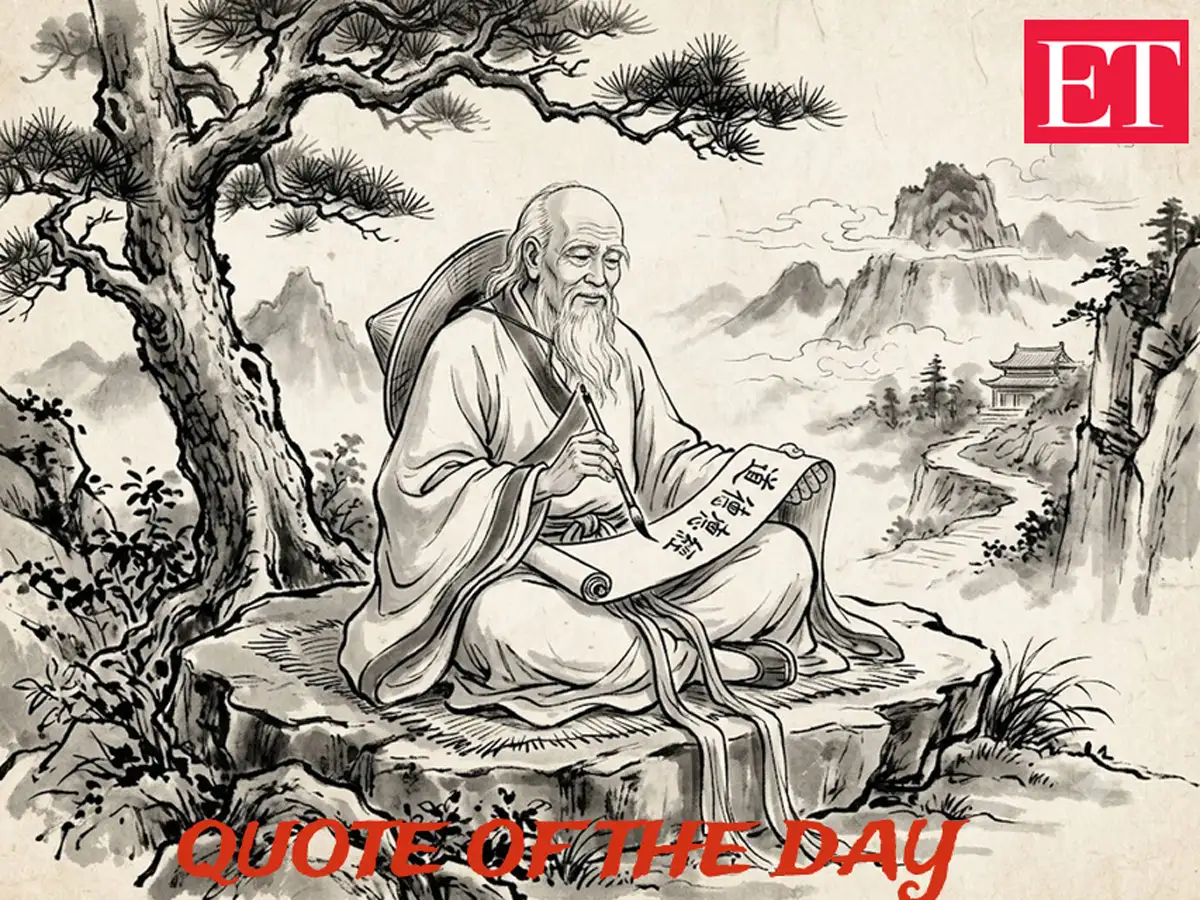
Lao Tzu is one of the most influential philosophers in Chinese history, yet many details about his life remain uncertain. Traditionally believed to have lived around the 6th century BCE, he is regarded as the founder of 'Taoism', a philosophy centered on living in harmony with the natural order of life. His teachings are closely associated with the Tao Te Ching, a short but deeply influential collection of verses about wisdom, leadership, humility, self-control and the search for inner peace. Although the book is ancient, its ideas continue to resonate because they address problems people still face today.
At the heart of Lao Tzu's philosophy is the concept of the Tao, often translated as 'the Way'. It describes the natural flow of existence and suggests that people often create unnecessary struggle by trying to control everything around them. Instead, Lao Tzu encouraged people to understand the natural rhythm of life and respond with balance rather than force. One of his most famous ideas is 'Wu wei', often translated as 'effortless action' or 'non-forcing'. It does not mean doing nothing. Instead, it suggests acting wisely and naturally rather than constantly fighting circumstances. The idea can be especially meaningful in a world where people often feel pressured to achieve more, move faster and remain in control.















