
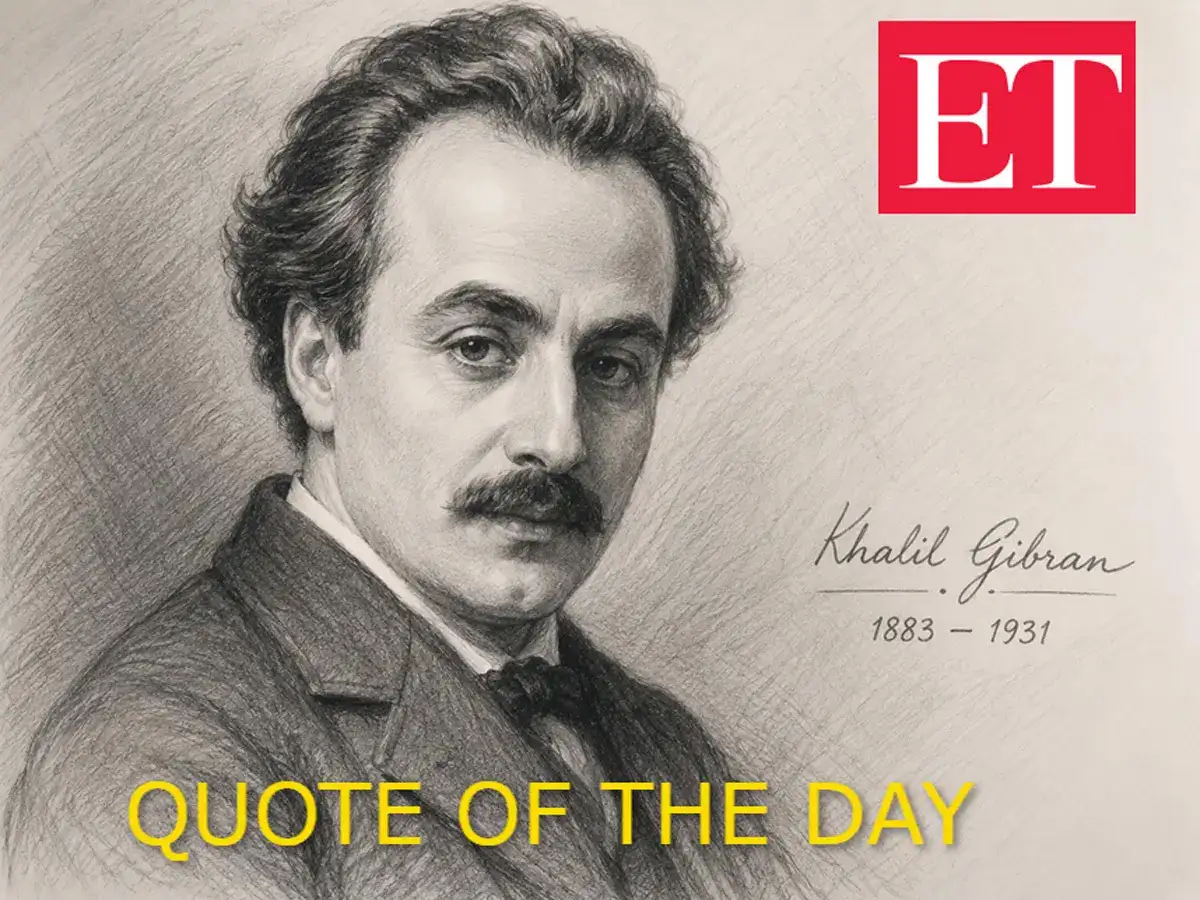
Khalil Gibran was an acclaimed Lebanese-American poet, writer, artist and philosopher whose words continue to resonate with readers around the world. Best known for his celebrated book 'The Prophet', Gibran wrote about love, freedom, relationships, sorrow, joy and the search for meaning in life. Born on January 6, 1883, in Bsharri, Lebanon, Gibran grew up surrounded by the natural beauty of the mountains. His early experiences in Lebanon later influenced the spiritual and poetic imagery that became a defining part of his writing. When Gibran was 12, his family immigrated to the United States and settled in Boston. His life between Lebanese and American cultures gave him a distinctive perspective. He eventually returned to Lebanon for part of his education before continuing his artistic and literary development in the United States.
Gibran's talent extended beyond writing. He studied art and developed a reputation as a painter and illustrator. His artwork and writing often shared the same themes, blending beauty, spirituality and human emotion. His breakthrough came with 'The Prophet', published in 1923. The book is structured around the teachings of a fictional prophet named 'Almustafa', who prepares to leave the city of Orphalese after living there for 12 years. Before his departure, residents ask him questions about subjects including love, marriage, work, freedom, friendship and death. Rather than offering simple instructions, Gibran's writing encourages readers to reflect on their own lives. His observations often suggest that love should not become possession, freedom requires responsibility and sorrow and happiness are connected parts of the human experience.














