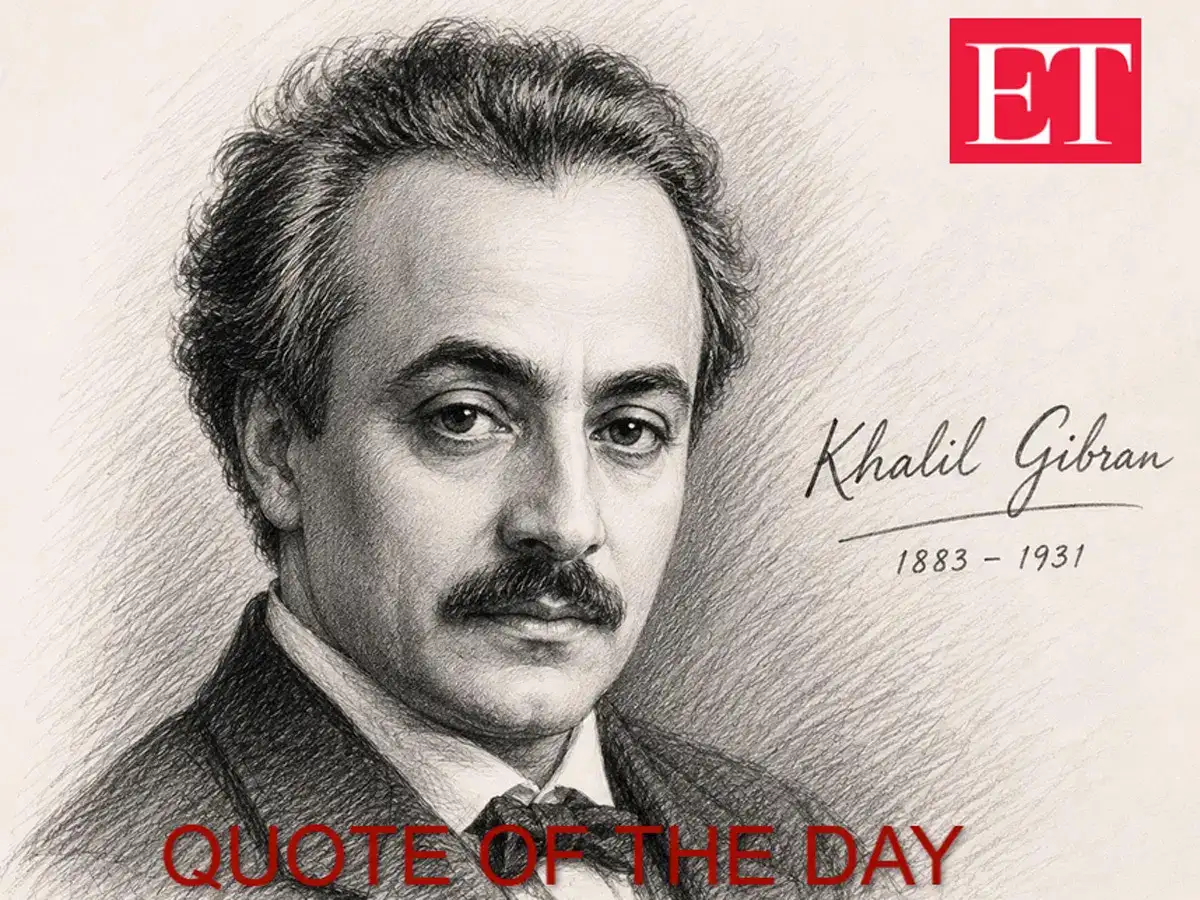
Khalil Gibran was a Lebanese-American writer, poet, artist and philosopher whose words continue to resonate with readers more than a century after he first found an audience. Born on January 6, 1883, in Bsharri, Lebanon, Gibran moved to the United States with his family as a child. His experiences between Lebanese and American cultures shaped much of his creative work and gave his writing a distinctive blend of Eastern spirituality and Western literary expression. Gibran became internationally famous for his 1923 masterpiece, 'The Prophet', a collection of poetic essays exploring some of life's most enduring questions. Written in lyrical prose, the book examines love, marriage, friendship, work, freedom, joy, sorrow and death. Its simple yet deeply reflective style helped make it one of the most widely read works of inspirational literature. The book has remained especially popular because its themes speak to people at different stages of life.
Gibran's writing often focused on the connection between the individual and the larger human experience. He encouraged readers to look beyond material success and social expectations and consider the deeper meaning of love, freedom and personal growth. His words frequently carried a spiritual quality without being tied narrowly to one religious tradition, allowing his work to reach readers from diverse backgrounds.
Quote of the day
Quote of the day - " I have learned silence from the talkative, toleration from the intolerant, and kindness from the unkind; yet strange, I am ungrateful to these teachers ," is widely attributed to famous Lebanese-American poet and philosopher Khalil Gibran and appears in his 1926 book 'Sand and Foam', a collection of aphorisms and poetic reflections.
Meaning of the quote
The quote of the day by by Khalil Gibran delivers a powerful lesson about how difficult people can become unexpected teachers. When someone is overly talkative, we may learn the value of silence. When we encounter intolerance, we may understand why patience and acceptance matter. And when someone treats us without kindness, we may become more aware of the importance of compassion. In this way, even negative experiences can shape our character and teach us how we want to treat others. But Gibran adds an ironic twist when he says he is 'ungrateful' to these teachers. He recognizes the lessons they have given him, yet he does not feel thankful for the pain or frustration that came with them. The quote reminds us that we can learn from difficult people without appreciating their behavior. Life's challenging encounters can reveal the qualities we should develop - and the kind of person we never want to become.
Although 'The Prophet' remains his best-known work, Gibran produced poetry, essays, short stories and paintings throughout his career. His artistic talent was an important part of his identity, and his illustrations appeared in several of his books. His creative life reflected his belief that art could cross cultural and linguistic boundaries.
Gibran died in New York City on April 10, 1931, at the age of 48. Despite his relatively short life, he left behind a body of work that continues to inspire readers around the world. His writing remains particularly powerful because it does not simply offer answers; it invites people to pause, reflect and find their own meaning in life's experiences.
More than a century after his birth, Gibran's appeal has endured through changing generations. His observations about love, loss, ambition, relationships and the search for purpose remain remarkably relatable. His legacy demonstrates how a writer shaped by two cultures can create ideas that transcend borders. For many readers, Khalil Gibran is remembered not only as a celebrated author but also as a voice that encouraged people to live with greater awareness, compassion and courage.