Get all your news in one place.
100's of premium titles.
One app.
Start reading
The Economic Times
The Economic Times

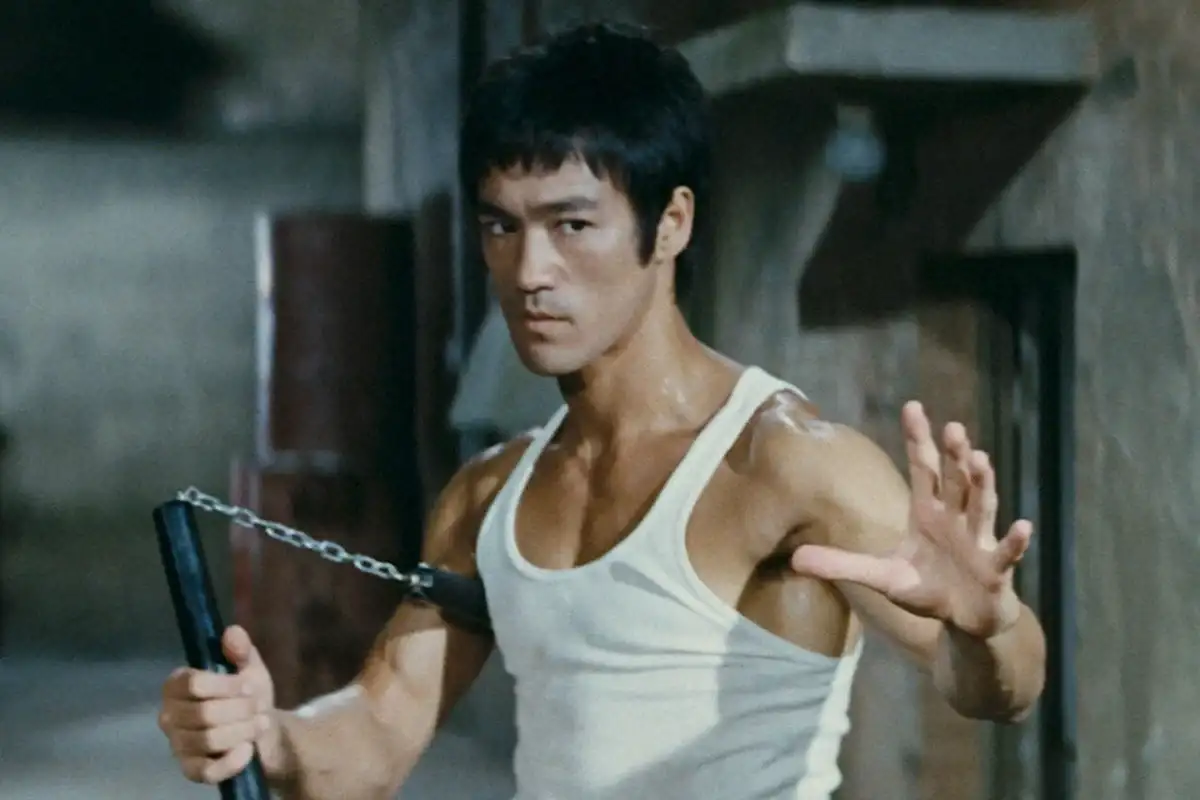
Quote of the Day by Jeet Kune Do founder Bruce Lee: “I fear not the man who has practiced 10,000 kicks once, but I fear the man who has practiced… – Inspiring lessons on determination, mastery, discipline, perseverance and why consistency is the key to success by the martial artist known for his deep insights on of self-improvement and mental strength

Quote of the Day by Bruce Lee: Success is not simply about talent or opportunity, but about discipline, focus, and consistent effort. True mastery is achieved when a person dedicates themselves fully to refining one skill rather than spreading their attention across many without depth. This idea reflects the importance of persistence, patience, and continuous self-improvement in any field of life.

Bruce Lee’s powerful quote, “I fear not the man who has practiced 10,000 kicks once, but I fear the man who has practiced one kick 10,000 times,” highlights the value of dedication and focused practice. It suggests that true strength comes from repetition and refinement, where consistent effort turns a simple action into mastery.

Quote of the Day Today: Bruce Lee on focus, consistency and perseverance

Quote of the Day by Bruce Lee: “I fear not the man who has practiced 10,000 kicks once, but I fear the man who had practiced one kick 10,000 times”, as per Brainy Quote

Meaning of Bruce Lee’s Quote About Mastery and Discipline

Bruce Lee’s quote, “I fear not the man who has practiced 10,000 kicks once, but I fear the man who has practiced one kick 10,000 times,” explores the deep importance of focus, repetition, and mastery in skill development. The phrase “10,000 kicks once” represents scattered practice without depth, while “one kick 10,000 times” symbolizes disciplined repetition and complete dedication to perfecting a single skill. Bruce Lee suggests that true strength does not come from trying everything once, but from refining one ability until it becomes second nature.

However, the deeper meaning of the quote emphasizes that excellence is built through consistency, patience, and continuous improvement. Mastery is not achieved overnight; it is the result of focused effort over time, where each repetition sharpens precision, speed, and control. A person who commits fully to one path develops a level of expertise and confidence that cannot be matched by someone who spreads their effort too thin. Bruce Lee’s words continue to inspire discipline, focus, and the pursuit of true mastery in any field of life.

Why Practice Makes Perfect

The saying “Practice makes perfect” reflects the idea that consistent effort and repetition are the foundations of mastery. Every time a person repeats a skill, they improve their technique, build confidence, and reduce mistakes. Whether learning a musical instrument, mastering a sport, writing, or developing professional skills, regular practice strengthens both ability and discipline. While perfection may never be fully achieved, continuous practice brings steady improvement and greater competence over time. This principle closely aligns with Bruce Lee’s philosophy that mastering one skill through focused repetition is more valuable than practicing many skills without depth. The saying reminds us that excellence is rarely the result of talent alone. Instead, dedication, patience, and consistent practice transform ordinary abilities into exceptional performance and long-term success.

Early Life of Bruce Lee

Bruce Lee was born on November 27, 1940, in San Francisco, California, while his parents were touring the United States with a Cantonese opera troupe. Soon after, his family returned to Hong Kong, where he spent most of his childhood. Growing up in a culturally rich environment, Lee was introduced to acting at an early age and appeared in several child films. He was energetic, curious, and determined, developing an early interest in martial arts after experiencing street fights during his teenage years. These formative experiences shaped his discipline, resilience, and lifelong pursuit of self-improvement.

Education and Martial Arts Development

Bruce Lee attended schools in Hong Kong before returning to the United States in 1959. He later studied philosophy at the University of Washington, where he explored ideas about human nature, discipline, and personal growth. Alongside his studies, he trained extensively in martial arts, particularly Wing Chun under the guidance of Ip Man. Lee combined traditional martial arts with philosophical thinking, eventually developing his own approach, known as Jeet Kune Do, which emphasized adaptability, efficiency, and continuous learning over rigid techniques.

Rise as an Actor and Martial Arts Icon

Bruce Lee rose to international fame through his extraordinary martial arts skills and charismatic screen presence. He first gained recognition with the television series The Green Hornet before becoming a global film star through movies such as The Big Boss , Fist of Fury , Way of the Dragon , Enter the Dragon , and Game of Death . His performances revolutionized martial arts cinema by combining speed, realism, and philosophical depth. Lee became known not only for his physical abilities but also for his inspiring teachings on discipline, confidence, and self-mastery.

Fame, Challenges, and Personal Journey

At the height of his career, Bruce Lee became an international cultural icon admired for breaking barriers between Eastern and Western cinema. Despite his growing success, he faced racial stereotypes, limited opportunities in Hollywood, and the physical demands of intense martial arts training. Rather than allowing these obstacles to define him, Lee remained committed to personal growth and innovation. His writings and interviews reflected a thoughtful philosopher who believed that true strength came from discipline, adaptability, and constant self-improvement rather than physical ability alone.

Legacy and Lasting Influence

Bruce Lee passed away on July 20, 1973, in Hong Kong at the age of 32. Although his life was tragically short, his influence continues to shape martial arts, cinema, fitness, and personal development around the world. He is remembered as one of the greatest martial artists and most influential action stars in history. His philosophy of discipline, focus, and lifelong learning continues to inspire athletes, performers, entrepreneurs, and millions of people seeking excellence through dedication and perseverance.

What is Jeet Kune Do?

Jeet Kune Do is a martial arts philosophy and combat system developed by Bruce Lee in the late 1960s. Rather than following a rigid style, it emphasizes adaptability, simplicity, and efficiency. The name means “The Way of the Intercepting Fist,” reflecting the idea of stopping an opponent’s attack before it fully develops. Bruce Lee believed that martial artists should avoid limiting themselves to fixed techniques and instead respond naturally to each situation. Jeet Kune Do combines practical elements from several martial arts while encouraging practitioners to discard what is ineffective and keep what works best. Beyond self-defense, it promotes discipline, self-awareness, continuous learning, and personal growth. Its philosophy continues to inspire martial artists, athletes, and individuals seeking excellence through flexibility, focus, and constant improvement.

Life Lessons from Bruce Lee’s Famous Quote

Bruce Lee’s quote teaches that true success comes from focus, discipline, and consistent practice rather than trying to master everything at once. Excellence is achieved by refining one skill through repetition until it becomes second nature. The quote highlights that real mastery requires patience, perseverance, and a commitment to continuous improvement rather than scattered effort. In today's competitive world, this message is especially important because meaningful progress depends on dedication and sustained practice. Bruce Lee’s words continue to remind people that greatness is built through persistence, purposeful repetition, and the determination to master a chosen path.

Why This Quote Still Matters Today

Bruce Lee’s quote remains highly relevant today because modern life is filled with distractions and constant pressure to do many things at once. People often pursue multiple goals without developing deep expertise in any one area. This quote reminds us that lasting success comes from concentrated effort rather than scattered attention. Whether in education, business, sports, or personal development, focused practice leads to confidence, competence, and excellence. Bruce Lee’s message continues to emphasize the value of discipline, consistency, and mastering one skill before moving on to the next.

Success Wisdom

Bruce Lee’s quote, “I fear not the man who has practiced 10,000 kicks once, but I fear the man who has practiced one kick 10,000 times,” reflects a timeless truth about mastery and achievement. Real success is not built on trying everything but on committing fully to continuous improvement in one area. Repetition builds precision, confidence, and expertise, turning ordinary effort into extraordinary ability. This wisdom continues to remain relevant because it highlights the importance of discipline, patience, and focused learning. True mastery is not about knowing many techniques, but about performing one skill with exceptional excellence.

Sign up to read this article
Read news from 100's of titles, curated specifically for you.
Already a member? Sign in here
Related Stories
Top stories on inkl right now
One subscription that gives you access to news from hundreds of sites
Already a member? Sign in here
Our Picks
Fourteen days free
Download the app
One app. One membership.
100+ trusted global sources.