Some truths are uncomfortable precisely because they are too harsh to disappear. A problem ignored today will return tomorrow in a different form, carrying the same questions that were left unanswered the first time. James Baldwin's words begin with a difficult admission: not every injustice, disappointment or hardship has an immediate solution. They end with something equally important. Change, however uncertain, becomes impossible until people are willing to confront reality as it is rather than as they wish it to be. The quotation is not built on optimism. It is built on honesty.
Get breaking news anytime, anywhere. Download the TOI app now!
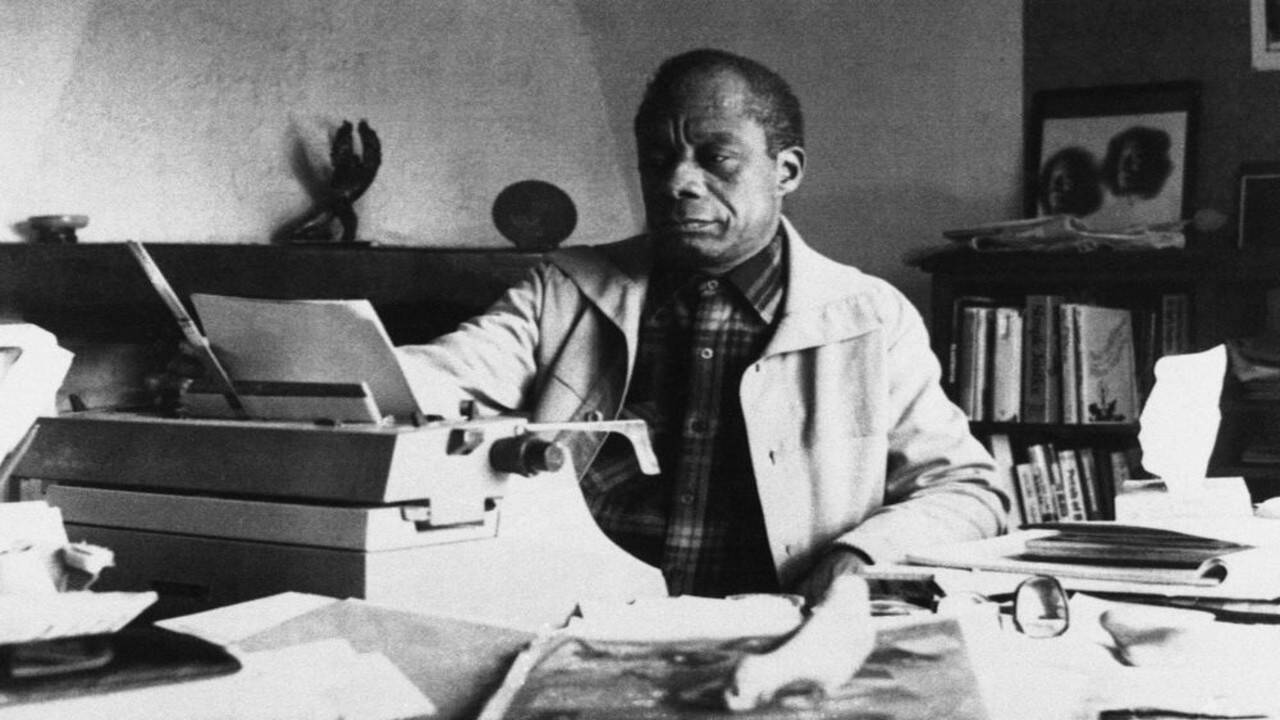
Baldwin wrote these words in his 1962 essay collection As Much Truth as One Can Bear , later published in The New York Times Book Review and echoed throughout his essays and speeches on race, identity and American society. Living through the civil rights era, he understood that acknowledging uncomfortable realities could provoke resistance, but he also believed that silence preserved injustice far more effectively than disagreement ever could. Although Baldwin was writing about issues far larger than individual lives, the principle behind the sentence extends well beyond politics. Families, institutions and nations all reach moments when avoiding a problem becomes more damaging than confronting it.
Looking away rarely makes a problem smaller
History offers countless examples of societies delaying difficult decisions because the immediate alternative appeared easier. Economic crises have deepened after early warning signs were dismissed. Public health emergencies have become more severe when authorities hesitate to acknowledge the scale of the problem. Businesses have collapsed after leaders ignored changing markets in the hope that familiar methods would continue working. In each case, the challenge itself did not grow because people refused to look at it. The opportunity to respond simply became smaller with time.
The same pattern appears in ordinary life. A health concern postponed because the symptoms seem minor can become harder to treat months later. Financial difficulties rarely improve because unopened bills remain in a drawer. Relationships under strain are seldom repaired through silence alone. Facing these situations does not guarantee an easy outcome, though it creates the possibility of one. Refusing to face them removes that possibility altogether.
Baldwin's quotation recognises a distinction that is easy to miss. Acceptance is not the same as surrender. Looking directly at reality does not mean approving of it. It means beginning with facts rather than wishes.
The courage to name what is wrong
There is a reason people avoid difficult truths. Acknowledging them carries consequences. It may require admitting a mistake, changing direction, apologising, abandoning a long-held belief or accepting that a plan has failed. Those choices demand humility because they replace certainty with uncertainty. People naturally try to protect existing beliefs, even when new evidence suggests those beliefs need revising. Baldwin understood this long before such ideas became part of everyday conversation. His essays repeatedly argued that societies create comforting stories about themselves, and that genuine progress begins only when those stories are tested against reality.
That insight applies just as strongly to individuals. Improvement rarely starts with confidence alone. It begins with recognising where improvement is needed. Athletes study defeats before refining their technique. Scientists revise theories when evidence points elsewhere. Writers produce better work by accepting criticism instead of defending every sentence. The willingness to confront weaknesses is not a sign of failure. More often, it marks the point where meaningful progress becomes possible.
Why the quote continues to matter
The pace of modern life has made distraction easier than reflection. Difficult conversations can be postponed, uncomfortable news filtered out and inconvenient facts replaced with information that feels more reassuring. Baldwin's words remain relevant because they resist that temptation. They remind readers that reality does not become less real because it is ignored.
The quotation also avoids offering false certainty. Baldwin never promised that every problem could be solved or every injustice corrected. Some losses cannot be undone and some circumstances remain beyond individual control. His argument is more modest and, for that reason, more enduring. Every meaningful change, whether in a person's life or in society as a whole, begins with the willingness to face things exactly as they are. What happens afterwards may be uncertain, but without that first act of honesty, nothing else can begin.