Get all your news in one place.
100's of premium titles.
One app.
Start reading
The Economic Times
The Economic Times
Advaita Suresh

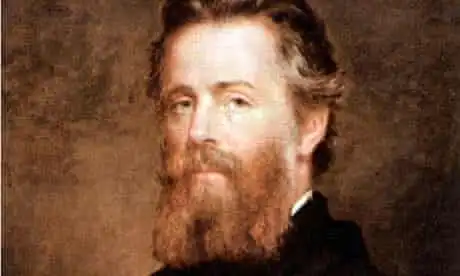
Quote of the Day by Herman Melville: “To know how to grow old is the… – Inspiring lessons on age, maturity, transformation, acceptance, and why every stage of life has its own beauty by the Renowned American novelist known for his profound insights into human nature, experience and the meaning of life

Quote of the Day by Herman Melville: Aging is one of the few experiences shared by every human being, yet learning how to embrace it with grace and wisdom remains a lifelong challenge. As people move through different stages of life, they encounter changes in priorities, relationships, abilities, and perspectives. While growing older is inevitable, developing the mindset to accept and appreciate the journey requires patience, self-awareness, and emotional maturity.

His thoughtful quote, “To know how to grow old is the master work of wisdom, and one of the most difficult chapters in the great art of living,” highlights the deeper meaning of aging beyond the passage of time. In today’s world, where youth is often celebrated and aging is sometimes viewed with concern, the quote remains highly relevant. Melville’s words remind us that true wisdom lies in accepting life’s changes, valuing experience, and finding purpose in every stage of life. The quote continues to inspire reflection on personal growth, resilience, and the importance of living each chapter of life with dignity, gratitude, and understanding.

Quote of the Day Today: Herman Melville on maturity, resilience and gratitude

Quote of the Day by Herman Melville: “To know how to grow old is the master work of wisdom, and one of the most difficult chapters in the great art of living”

Meaning of Herman Melville’s Quote About Aging and Life

Herman Melville’s quote, “To know how to grow old is the master work of wisdom, and one of the most difficult chapters in the great art of living,” explores the profound connection between aging, wisdom, and personal growth. The phrase “to know how to grow old” symbolizes more than simply advancing in years; it represents the ability to accept life’s changes with grace, maturity, and understanding. Melville suggests that aging successfully requires wisdom because it involves adapting to new realities while maintaining purpose, dignity, and inner peace.

However, the deeper meaning of the quote emphasizes that growing older is an art that must be learned over time. It requires people to embrace experience, let go of unnecessary regrets, and appreciate the lessons gained throughout life. Rather than viewing aging as a decline, Melville encourages individuals to see it as a stage of continued growth and reflection. A wise person understands that each phase of life offers valuable opportunities for learning, gratitude, and self-discovery, making the journey of aging one of the greatest achievements in the art of living.

Why You Are Never Too Old to Learn

Learning is often associated with childhood and formal education, but the truth is that growth and discovery can continue throughout life. The saying, “You are never too old to learn,” reminds us that age should never be a barrier to gaining new knowledge, developing skills, or exploring fresh interests. Whether it is learning a language, mastering technology, starting a hobby, or understanding a new perspective, every learning experience helps keep the mind active and engaged.

Early Life of Herman Melville

Herman Melville was born on August 1, 1819, in New York City, United States, into a family that experienced both prosperity and financial hardship. His father, Allan Melville, was a merchant and importer, while his mother, Maria Gansevoort Melville, came from a respected and influential family. After his father's death in 1832, the family faced serious financial difficulties, forcing Melville to leave formal education and seek employment at a young age. These early experiences exposed him to the realities of struggle, responsibility, and social change, themes that would later appear in his literary works.

Education and Early Adventures

Unlike many celebrated writers of his era, Melville did not receive an extensive university education. Instead, he gained knowledge through self-study, reading, and firsthand experiences. As a young man, he worked in various jobs, including teaching and clerical work, before turning to life at sea. In 1839, he embarked on a voyage as a sailor, beginning a series of maritime adventures that took him across the Atlantic and Pacific Oceans. His travels introduced him to different cultures, challenging environments, and diverse human experiences, greatly shaping his worldview and literary imagination.

Rise as a Writer and Literary Recognition

Melville’s early sea voyages became the inspiration for his first successful books, including the travel narratives Typee and Omoo . These works gained popularity for their vivid descriptions of life at sea and exotic locations. However, his greatest literary achievement came with the publication of Moby-Dick in 1851. Although the novel received mixed reviews during his lifetime, it later became recognized as one of the greatest works of American literature. Melville’s writing explored themes such as human ambition, fate, nature, morality, and the search for meaning, earning him lasting respect among readers and scholars.

Challenges, Later Years, and Personal Reflection

Despite his literary talent, Melville struggled to achieve consistent commercial success. Many of his later works attracted limited attention, and financial pressures continued throughout much of his life. To support his family, he worked for many years as a customs inspector in New York. During this period, he continued writing poetry and prose while reflecting on life, human nature, and the passage of time. His observations on wisdom, aging, and personal growth are reflected in many of his writings and quotations, including his thoughts on the art of growing old gracefully.

Legacy and Lasting Influence

Herman Melville passed away on September 28, 1891, in New York City at the age of 72. Although much of his work was underappreciated during his lifetime, the decades following his death brought renewed recognition of his literary genius. Today, he is regarded as one of America’s most important authors, celebrated for his profound exploration of human nature, philosophy, and the complexities of life. His writings continue to inspire readers around the world, and his reflections on wisdom, perseverance, and aging remain relevant to modern audiences seeking deeper meaning in the human experience.

Life Lessons from Herman Melville’s Famous Quote

Herman Melville’s quote teaches that aging is not simply a biological process but a skill that requires wisdom, patience, and emotional maturity. True success in life is not measured only by achievements or possessions but by the ability to adapt gracefully to changing circumstances. The quote highlights that growing older involves accepting life’s transitions, learning from experience, and finding value in every stage of life. It encourages people to embrace personal growth, maintain a positive outlook, and appreciate the knowledge gained through the years. Melville’s words remind us that wisdom comes not from age alone but from how we respond to life’s challenges and opportunities as we grow older.

Why This Quote Still Matters Today

Herman Melville’s quote remains highly relevant today because many people struggle with the pressures and expectations associated with aging. In a world that often celebrates youth, appearance, and constant productivity, growing older can sometimes be viewed with uncertainty or fear. This quote offers a different perspective by emphasizing that aging is an important part of the art of living. It reminds individuals to value experience, emotional resilience, and personal wisdom rather than focusing solely on physical youth. Melville’s message continues to inspire people to embrace each stage of life with confidence, gratitude, and a deeper understanding of what truly matters.

Wisdom About Life

Herman Melville’s quote, “To know how to grow old is the master work of wisdom, and one of the most difficult chapters in the great art of living,” reflects a timeless truth about human growth and self-discovery. Life constantly changes, and learning to accept those changes with dignity is one of the greatest achievements a person can attain. Aging should not be viewed as a loss but as an opportunity to gain perspective, deepen relationships, and appreciate life’s experiences more fully. This wisdom remains meaningful because it encourages people to approach every chapter of life with grace, understanding, and a willingness to continue learning, regardless of age.

Sign up to read this article
Read news from 100's of titles, curated specifically for you.
Already a member? Sign in here
Related Stories
Top stories on inkl right now
One subscription that gives you access to news from hundreds of sites
Already a member? Sign in here
Our Picks
Fourteen days free
Download the app
One app. One membership.
100+ trusted global sources.