We have all, at some point, wanted to be the exception. The exception to the rule, the person whose circumstances are different, whose reasons are complicated, whose life cannot be judged by the same measure as everyone else's. Usually, it is a seductively innocent thought. But what happens when being exceptional becomes an excuse?
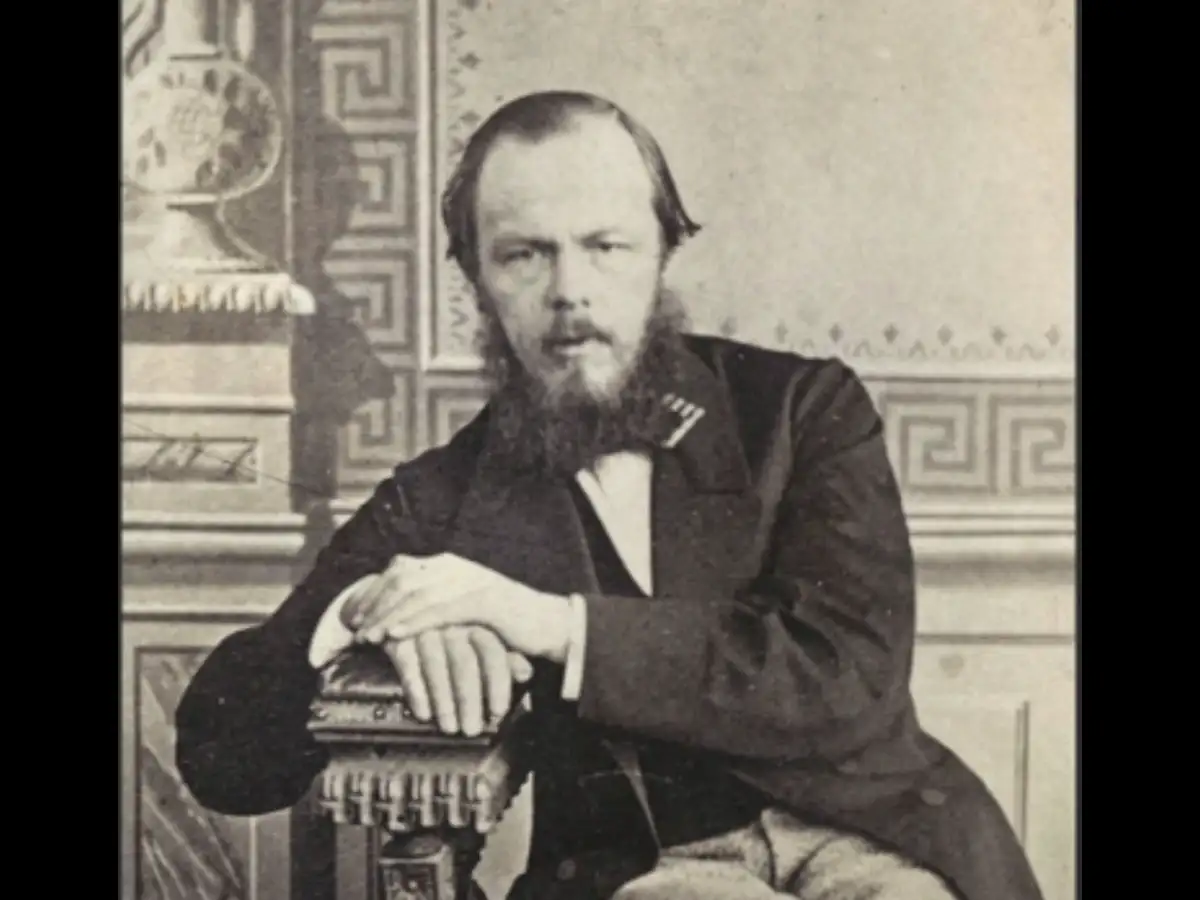
Another layer of difficulty arises when we question what happens when being “different” becomes a reason to believe that ordinary limits no longer apply. That tension sits at the heart of one of Fyodor Dostoevsky’s most unsettling observations in his 1866 novel Crime and Punishment about the jumbled role of power, morality and the human desire to see oneself as exceptional.