Often, the people we remember most are not the ones who gave us the biggest opportunities or changed the course of our lives. They’re the ones who made an ordinary afternoon lighter, who stayed when we needed company, or who simply made us feel more like ourselves.
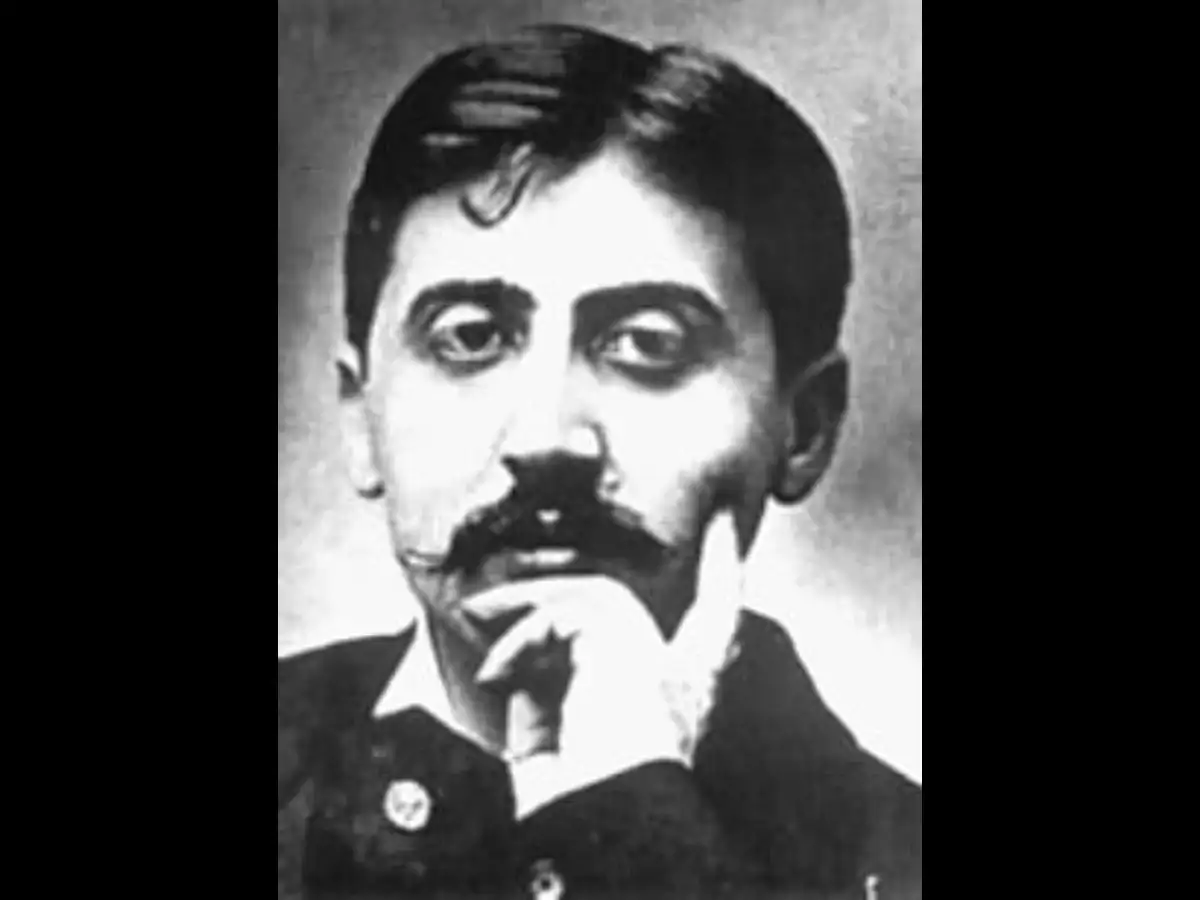
For French author Marcel Proust, how much of our happiness is actually the shared contribution by the people around us was more about the gratitude and the influence that certain people can have on our inner lives.

Quote of the Day by Marcel Proust: “Let us be grateful to the people who make us happy; they are the charming gardeners who make our souls blossom.”
Why Marcel Proust’s quote on happiness and gratitude matters today
Happiness is often treated as something we have to find or create on our own. But Proust’s quote on happiness points to another part of the experience: the people who make our happiness possible simply by being present in our lives.
His comparison of such people to “charming gardeners” is particularly striking. A gardener does not force a plant to blossom. They help create the conditions in which flowers can grow. Same way, some people may not solve our problems, but their kindness, companionship and presence can help us flourish.
What Marcel Proust’s quote means in real life
In real life, this person can be a friend who makes a difficult day easier, a member of our family whose presence brings lasting comfort, or someone whose conversations gives us a feel good factor. Their contribution may not always be dramatic, but its effect can stay with us.
The happiness quote is also about gratitude. It asks us to notice the people who contribute to our happiness rather than taking their presence for granted. Sometimes, recognizing who helps our lives “blossom” is itself a way of understanding what makes us happy.
Who was Marcel Proust?
Marcel Proust was a French intellectual, author and critic best known for his seven-volume fiction In Search of Lost Time. He was born Valentin Louis Georges Eugéne Marcel Proust on July 10, 1871, in Paris, France.
His father, Achille Proust, was a famous doctor, while his mother, Jeanne Weil, came from a rich and cultured Jewish family. His mother encouraged his interests in art and literature. Proust was also fond of Carlyle, Emerson and John Ruskin, whose two works he translated into French.
Proust, from the age of nine, suffered from severe allergies and asthma related issues. He later developed a chronic lung disease that affected his mobility and career. His physical disability imposed serious restrictions on his lifestyle, and he increasingly expressed himself through writing.
Marcel Proust’s legacy
Proust began his main work, A la recherche du temps perdu, in 1909 and completed it in 1922, shortly before his death. The work, also known in English as In Search of Lost Time or Remembrance of Things Past, is more than 2,000 pages long and, in seven volumes, more than 3,000 pages.
The novel is set in the fictional town of Combray, near Paris, and explores the lives of the upper class, including nobility, sexuality, women, men, art and culture. Its complex depiction of life and delicate use of language were influenced by his reading of Lev Tolstoy, particularly War and Peace and Anna Karenina. The work was praised by Graham Greene, W. Somerset Maugham and Ernest Hemingway as the greatest fiction of their time.
Proust also coined the term “involuntary memory”, which later became known as the “Proust effect” in modern psychology. Much of his adult life was spent confined to his cork-paneled bedroom, where he was mostly attended by his close friend, pianist and composer Reynaldo Hahn.
Proust died at 51 on November 18, 1922, from complications related to pneumonia and his chronic health condition. His reflection on happiness, therefore, offers a simple idea with a lasting human relevance: sometimes the people who help us become happier do not dramatically change our lives. They simply help something inside us grow.