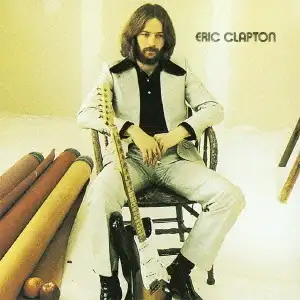
Quote of the Day by Eric Clapton : People often mistake pessimism for negativity, but sometimes it is something far more human. Behind a doubtful outlook can exist deep hope, quiet longing, and the fear of being disappointed. Legendary guitarist and singer-songwriter Eric Clapton captured this emotional truth in one of his most reflective quotes, revealing that what appears to be pessimism is often a shield protecting fragile dreams.
His words remind us that many people who seem cynical are not without hope. In fact, they may be hoping more deeply than anyone else while trying to protect themselves from heartbreak.

Quote of the Day by Eric Clapton
“The thing about pessimism is that in most cases it's nothing more than a front behind which a body can hide its most soulful yet painful hopes. Please forgive mine.” — Eric Clapton
What Does Eric Clapton's Quote Mean?
At first reading, Clapton's quote sounds deeply personal, and it is.He suggests that pessimism is often misunderstood. Rather than being a sign that someone has given up, it can be a defense mechanism. People sometimes expect the worst because they are afraid of wanting something so badly that losing it would hurt even more.
His final sentence, "Please forgive mine," adds another layer of honesty. It is almost an apology for allowing pain to shape his outlook. Instead of pretending to be fearless, Clapton openly admits that even successful people carry emotional scars.
The quote encourages compassion, reminding us that behind a guarded personality there may be someone quietly protecting their deepest hopes.
A Life Shaped by Triumph and Tragedy
Eric Clapton's life gives powerful context to these words. Born in Surrey, England, in 1945, Clapton became one of the most influential guitarists in rock history. His work with The Yardbirds, John Mayall's Bluesbreakers, Cream, Blind Faith, and Derek and the Dominos transformed blues-inspired rock music and earned him worldwide recognition.
Albums such as Layla and Other Assorted Love Songs, Slowhand, and Unplugged remain classics that have inspired generations of musicians.
But behind the extraordinary success was a life marked by personal struggles. Clapton battled heroin and alcohol addiction during the 1970s before eventually rebuilding both his career and his life.
Perhaps his greatest personal tragedy came in 1991, when his four-year-old son, Conor, died in a heartbreaking accident. The unimaginable loss inspired "Tears in Heaven," one of the most emotional songs ever written. The song touched millions around the world and demonstrated how deeply personal pain can become timeless art.
The Hidden Strength Behind Vulnerability
One reason this quote resonates so strongly is because it rejects the idea that strength means hiding emotions. Society often encourages people to appear confident and optimistic at all times. Yet many quietly struggle with disappointment, grief, fear, or uncertainty.
Clapton's words remind us that acknowledging these feelings does not make us weak. In many ways, admitting our fears requires more courage than pretending they do not exist. True resilience isn't the absence of pain. It's continuing to hope despite having every reason to give up.
Why This Message Matters Today
Modern life places enormous pressure on people to project happiness and confidence, especially on social media. Many individuals silently carry emotional burdens while presenting a cheerful image to the world. Clapton's quote offers an important reminder that we rarely know what someone else is experiencing beneath the surface.
Choosing kindness, patience, and understanding becomes easier when we recognize that even pessimism may be hiding quiet hope rather than bitterness.
The Deeper Life Lesson
Hope and vulnerability are inseparable. The more we care about something, the greater our fear of losing it. Rather than allowing that fear to harden us completely, Clapton encourages us to recognize it for what it is: evidence that our hopes still exist. His quote teaches that pessimism isn't always the opposite of hope. Sometimes it is simply hope wearing emotional armor.
Eric Clapton's remarkable career has been defined by extraordinary musical talent, personal hardship, and emotional honesty. His thoughtful reflection reminds us that people are often far more hopeful than they appear. Behind cautious words and guarded attitudes may exist dreams that remain deeply alive despite past disappointments. Sometimes the strongest people are not those who never fear heartbreak, but those who continue carrying hope, even when life has given them every reason to hide it.