
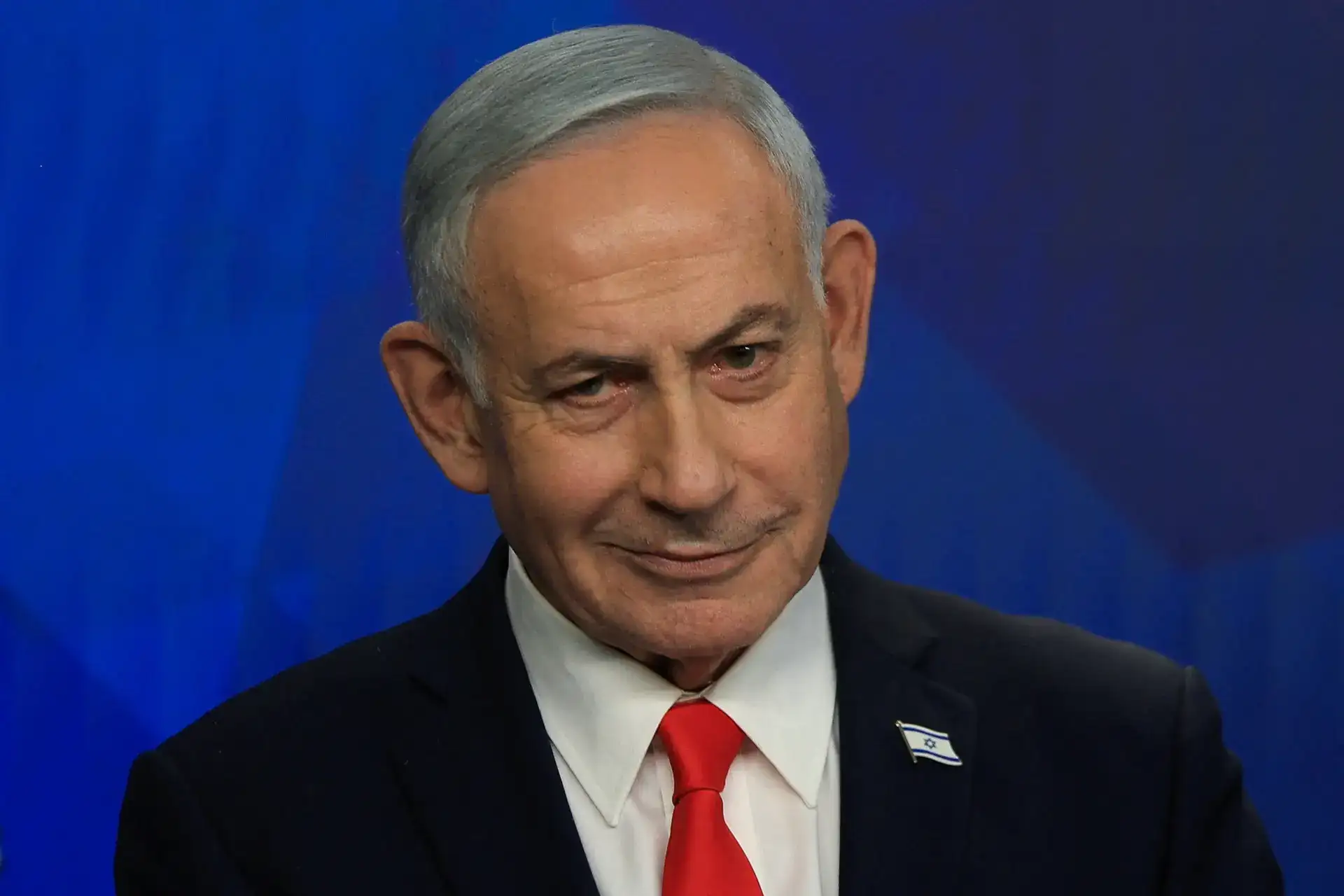
Quote of the day by Benjamin Netanyahu, "Peace is something very dear. If you've been through wars and operations and battles, you want peace" touches on one of the most enduring contradictions in human history: people often understand the value of peace most deeply after experiencing the consequences of conflict. Across generations and continents, wars have reshaped nations, separated families, destroyed communities, and left memories that continue long after the fighting ends. Against that background, the desire for peace is not simply a political slogan. For millions of people, it represents safety, stability, dignity, and the possibility of rebuilding ordinary lives.
Peace is sometimes discussed as though it means nothing more than the absence of war. In reality, lasting peace is far more complicated. It requires conditions in which people can live without constant fear, children can attend school safely, families can plan for the future, and communities can rebuild institutions damaged by violence. A ceasefire may stop immediate fighting, but sustainable peace often depends on dialogue, security, political agreements, economic opportunity, and a willingness to address grievances that have contributed to conflict.













