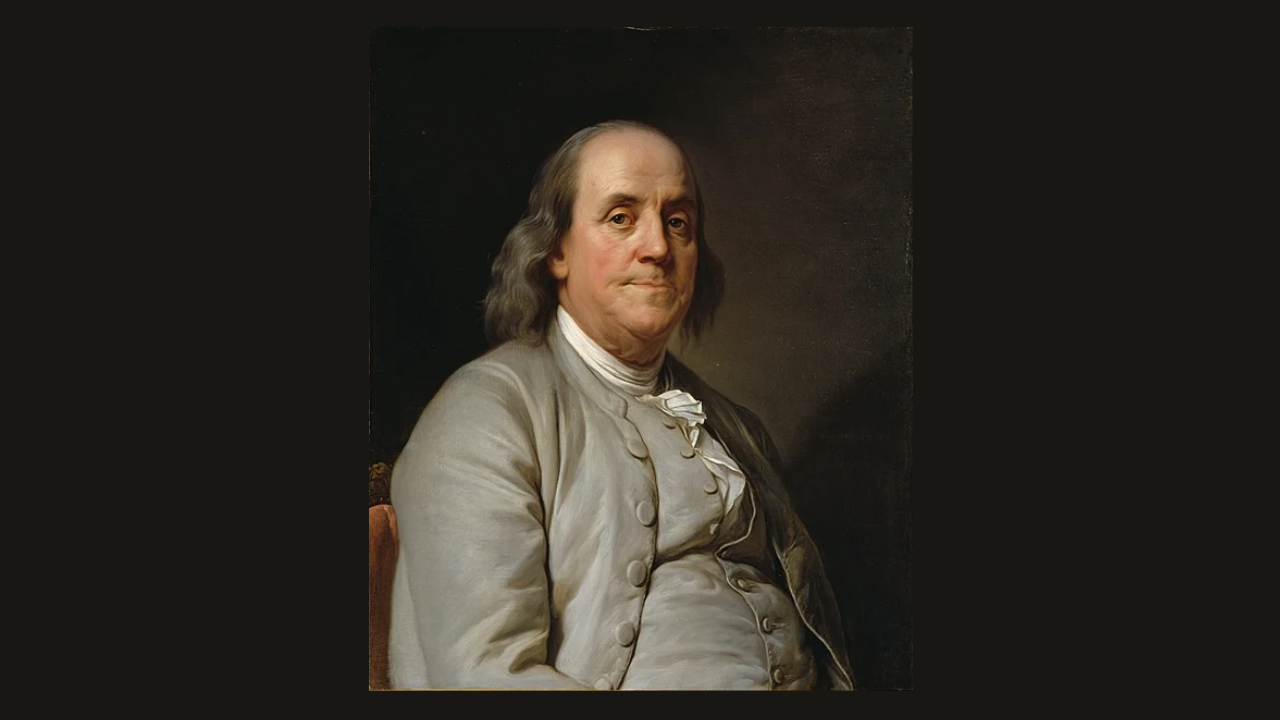
Money is often seen as the ultimate measure of success. It can provide comfort, security and opportunities that make life easier, but can it truly create happiness? More than two centuries ago, Benjamin Franklin offered a timeless answer through one of his most thought-provoking observations: “Money never made a man happy yet, nor will it. There is nothing in its nature to produce happiness. The more a man has, the more he wants. Instead of filling a vacuum, it makes one.” His words challenge the common belief that wealth alone leads to fulfilment. Instead, Franklin reminds us that happiness comes from purpose, relationships, gratitude and contentment rather than an ever-growing bank balance. In a world driven by consumerism, his wisdom remains as relevant as ever.
Get breaking news anytime, anywhere. Download the TOI app now!

Quote of the day by Benjamin Franklin
“Money has never made a man happy yet, nor will it. There is nothing in its nature to produce happiness. The more a man has, the more he wants. Instead of filling a vacuum, it makes one.”
What does this quote mean
Benjamin Franklin's quote suggests that money is a useful tool, but it is incapable of creating lasting happiness on its own. While wealth can satisfy material needs and provide temporary pleasure, it cannot fulfil emotional, spiritual or psychological desires. Franklin also highlights a fundamental aspect of human nature: once one financial goal is achieved, another quickly replaces it. Rather than eliminating feelings of emptiness, the endless pursuit of wealth can create even greater dissatisfaction and leave people constantly chasing what they do not yet have.
The endless chase for ‘more’
Human ambition is valuable, but it often comes with an invisible trap. A better salary soon leads to wanting a bigger house, a newer car or a more luxurious lifestyle. Every achievement becomes the starting point for the next desire. Instead of appreciating what has already been gained, people frequently compare themselves with others and measure success by possessions rather than peace of mind.
Franklin understood this cycle long before modern psychology described concepts such as the "hedonic treadmill", where people quickly adapt to improved circumstances and begin seeking even greater rewards. His quote reminds us that unless contentment grows alongside wealth, satisfaction will always remain just beyond reach.
Wealth can buy comfort, not fulfilment
Money undoubtedly improves quality of life by providing food, healthcare, education and security. It reduces many practical worries and creates opportunities that would otherwise be unavailable. However, the qualities that give life lasting meaning; love, friendship, trust, purpose and inner peace, cannot be purchased.
History offers countless examples of wealthy individuals who struggled with loneliness, anxiety or unhappiness despite possessing immense fortunes. Conversely, many people with modest incomes lead deeply fulfilling lives because they invest in meaningful relationships, personal growth and experiences rather than accumulating possessions. Franklin's insight encourages us to see money as a servant, not the master of our happiness.
Finding happiness beyond the bank balance
The quote is not a criticism of earning wealth or working hard. Instead, it encourages balance. Financial success becomes most valuable when it supports a meaningful life rather than becoming life's only objective. Gratitude, generosity and purpose create a stronger foundation for happiness than endless consumption ever can.
People who learn to appreciate what they already have often experience greater satisfaction than those who constantly pursue more. By treating money as a means to create opportunities, help others and build a secure future, not as the ultimate destination, we can avoid the emptiness Franklin described and discover a richer form of success.
Why this quote remains relevant today
Benjamin Franklin's words resonate even more strongly in today's world of consumer culture, social media and constant comparison. People are surrounded by messages suggesting that the next purchase, promotion or luxury item will finally bring happiness. Yet rising incomes do not always translate into greater life satisfaction, because expectations often rise just as quickly.
This quote serves as a timeless reminder that true fulfilment cannot be measured by a bank account. Financial stability is important, but happiness ultimately grows from gratitude, meaningful relationships, good health, personal purpose and the ability to appreciate enough. Franklin's wisdom encourages us to pursue wealth responsibly while remembering that the richest life is not necessarily the one with the most money, but the one with the greatest sense of contentment.