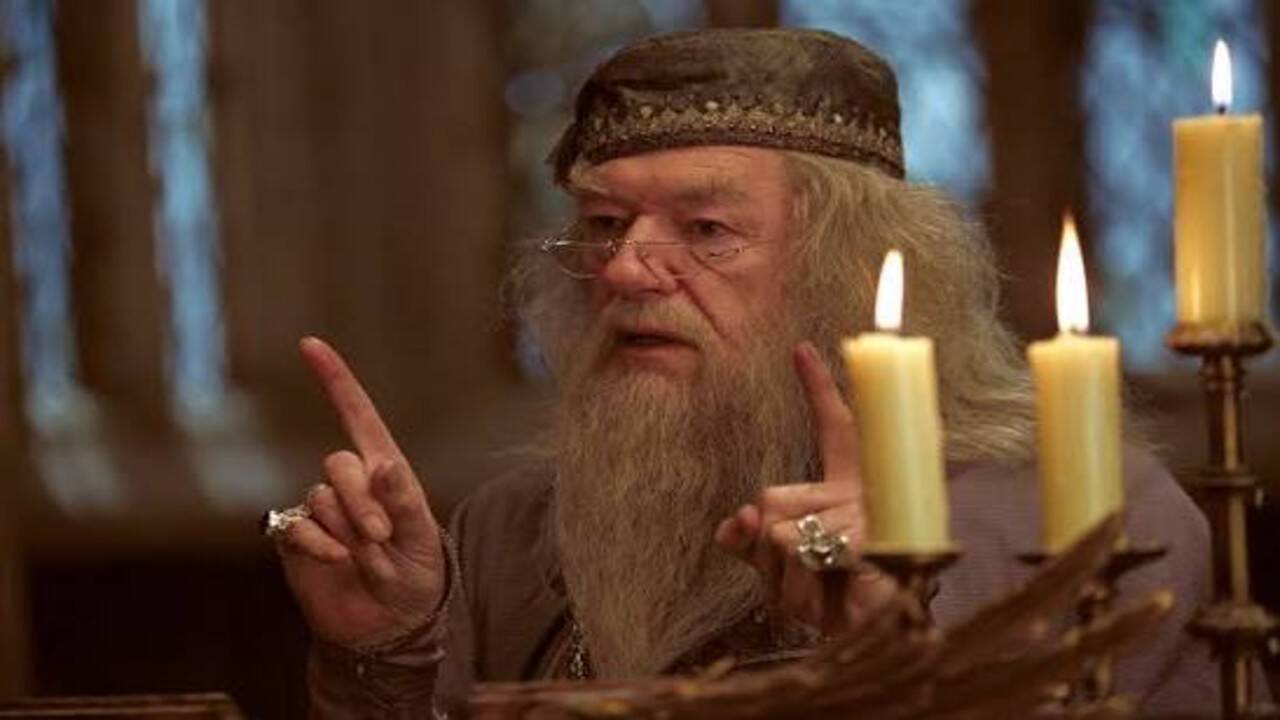
Few quotations from modern literature have travelled as far beyond the pages of the books in which they first appeared as this one. Spoken by Albus Dumbledore in Harry Potter and the Prisoner of Azkaban , the line comes during his welcome speech at Hogwarts after the school is placed under the watch of the Dementors, creatures that feed on fear and leave people reliving their worst memories. The castle is uneasy, the students are frightened and the future feels uncertain. Dumbledore acknowledges that darkness instead of pretending it does not exist, before reminding us that happiness never completely disappears for those who remember to look for the light.
Get breaking news anytime, anywhere. Download the TOI app now!

More than a message about optimism
The appeal of the quote lies in the fact that it never asks people to deny reality. There is no promise that difficult times will pass quickly or that pain can be wished away through positive thinking alone. Instead, it offers a gentler idea: even when circumstances remain unchanged, people can still find moments that make those circumstances easier to carry. The sentence is less about optimism than perspective, because the light does not remove the darkness around it. It simply changes what becomes visible.
One word, in particular, gives the quotation much of its strength. Dumbledore says happiness can be found, suggesting that it already exists somewhere, even if it has slipped from view for a while. During periods of grief, anxiety or disappointment, people often imagine that happiness is something waiting in the distant future, arriving only after life returns to normal. The quote quietly argues otherwise. A conversation that brings relief, a familiar place that offers comfort, an unexpected laugh in the middle of a difficult week or the simple reassurance of knowing someone is beside you can all become forms of light, even though none of them erase the problem itself.
The metaphor becomes even more interesting because a light switch represents action rather than chance. The room does not brighten on its own, and neither does the frame of mind the quote describes. Turning on the light can mean reaching out to a friend after withdrawing for days, returning to a routine that once brought a sense of stability, asking for help after trying to cope alone or making the small decision to keep moving when standing still feels easier. These actions rarely transform life overnight, although they often make the next step clearer than the one before.
That idea feels surprisingly relevant in a world where people are constantly encouraged to search for dramatic breakthroughs. Social media celebrates overnight success, inspirational speeches promise life-changing moments and self-help advice often focuses on grand transformations. Everyday life usually unfolds differently. Recovery from disappointment, illness or failure tends to happen through ordinary decisions repeated over time, and those moments of persistence are where people rediscover hope without even noticing it.
Why the quote feels so familiar
The human mind naturally gives greater weight to negative experiences than positive ones. From an evolutionary perspective, paying attention to danger helps people survive, though the same instinct can also make setbacks feel larger than they really are. One criticism lingers in the mind longer than several compliments. A single disappointment can overshadow weeks of steady progress. In many ways, Dumbledore's advice pushes against that instinct by encouraging people to pause and look again before concluding that darkness is all there is.
Perhaps that is also why the image of light appears so frequently across cultures and centuries. It has symbolised hope, wisdom, guidance and renewal in philosophy, religion, literature and art because it expresses something people recognise instinctively. A lamp does not change the world outside the window. It changes the experience of standing inside the room. The metaphor has survived because every generation, regardless of where it lives or what challenges it faces, understands the comfort of seeing a path that moments earlier seemed impossible to find.
Why it continues to resonate
The quote speaks to an experience that belongs to everyone rather than to one fictional story. Fear, uncertainty and loss take different forms throughout life, though the search for hope remains remarkably similar. It never suggests that happiness waits at the end of hardship as a reward for enduring it. Instead, it reminds us that even in life's most difficult seasons, moments of warmth, kindness, laughter and connection continue to exist alongside sorrow. The darkness may demand our attention first, though the light has always been there, waiting for someone to remember to switch it on.