Get all your news in one place.
100's of premium titles.
One app.
Start reading
The Economic Times
The Economic Times

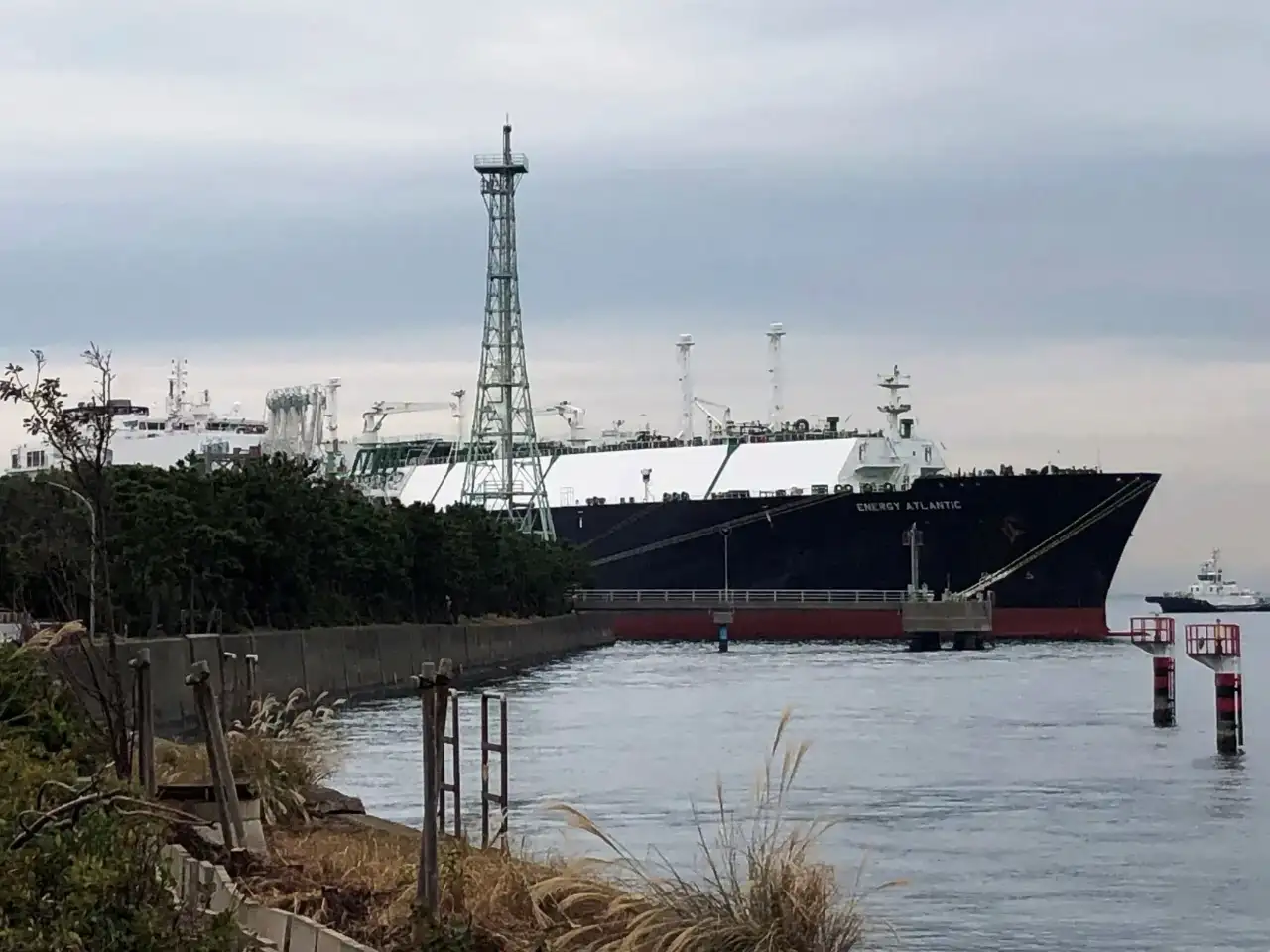
QatarEnergy-controlled LNG tanker exits Hormuz, first in nearly three weeks

SINGAPORE - A ​QatarEnergy-controlled liquefied natural gas tanker exited the Strait of Hormuz overnight, the first such vessel visible on ship-tracking data to leave the waterway since July 11, data from analytics firms showed on Thursday. The Al Areesh tanker, which loaded a cargo ‌at Qatar's Ras Laffan ⁠terminal around ⁠July 4-6, sailed out of the strait overnight on July 29, according to Kpler and LSEG data.

LSEG data shows it ​is currently heading to Port Qasim, Pakistan, with an estimated arrival date of July 31. Its departure marks the ​first time a QatarEnergy-controlled LNG tanker exited the Strait of Hormuz since the Al Rekayyat was struck in early July.

Also read: Trump resumes air strikes following missile attack on American base in Jordan

The previous LNG tanker to exit was the Al Hamra, which left on July 11 carrying ​a cargo loaded at the United Arab Emirates' Das Island, according ⁠to Kpler ‌data.

Separately, the Mraweh LNG tanker, which was last detected outside the Strait of ​Hormuz in ​ballast on July 24, reappeared inside the strait on Thursday, according to Kpler ⁠and LSEG data. The ADNOC Gas-controlled vessel remained in ballast, Kpler data showed.

QatarEnergy ​and ADNOC did not immediately respond to a request for comment outside ​of business hours.

Twelve commodity ships passed through the Strait of Hormuz on Wednesday, with six entering and six exiting, Kpler data showed. The number increased from the previous two days.

Also read: Iran rules out Oman's proposal for regional joint management of Hormuz Strait

BAB EL-MANDEB

Nineteen commodity ships passed through the Bab el-Mandeb strait on Wednesday, down from the transit on Monday and Tuesday, Kpler data showed. LSEG put the number of transits at 26. Of the 19 ships passing through according to ‌Kpler, eight entered the strait while 11 exited. Among those exiting, four were tankers carrying crude.

Some ships could still be sailing with their transponders turned off, which are ​not considered in ​the counts. Visible crude loadings ⁠from the Red Sea port of Yanbu fell by at least 30% last week after Yemen's Houthis declared a blockade on Saudi Arabia, Kpler and AXSMarine data showed, though Vortexa estimated that exports remained broadly ​stable, citing a rise in so-called dark tanker loadings.

"We have observed a clear increase in the number of crude/condensate tankers heading north after loading in the Red Sea. The shift reflects the renewed security risk around Bab el-Mandeb," said Vortexa analyst George Morris.

"Cargoes loaded at Yanbu accounted for around 15% of Asia's seaborne crude/condensate imports in June, so any sustained disruption has meaningful implications for Asian refiners."

Sign up to read this article
Read news from 100's of titles, curated specifically for you.
Already a member? Sign in here
Related Stories
Top stories on inkl right now
One subscription that gives you access to news from hundreds of sites
Already a member? Sign in here
Our Picks
Fourteen days free
Download the app
One app. One membership.
100+ trusted global sources.