
Get all your news in one place.
100's of premium titles.
One app.
Start reading
Woman & Home
Woman & Home
Lifestyle
Grace Walsh

Put the fan away and 'get your circadian rhythm back on track' - 16 ways experts get to sleep in the heat

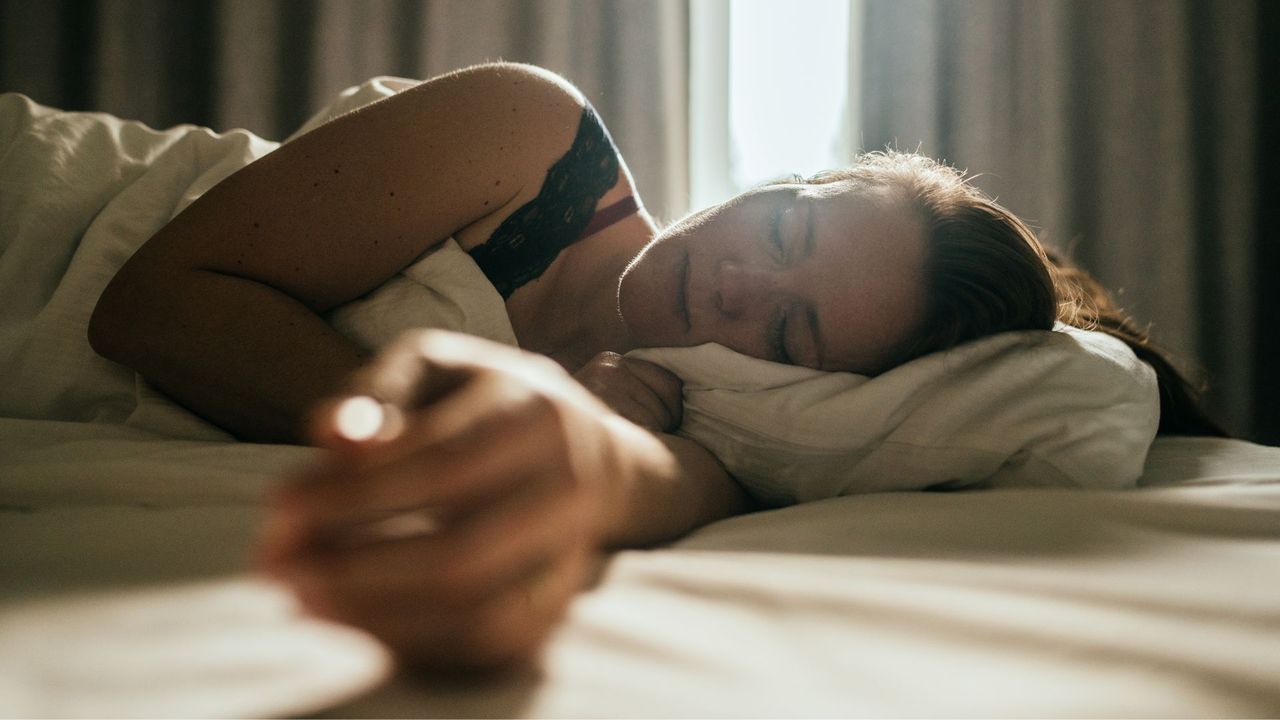
Woman learning how to sleep in the heat with curtains open behind her, arm outstretched towards the camera.

The UK is getting its first burst of summer over the Bank Holiday, with temperatures expected to skyrocket. That's great news for our plans (and serotonin levels), but come nighttime, the heat may make it difficult to fall asleep.

Sleeping better in the heat is about keeping body temperature regulated. It plays an essential role in the sleep cycle. "Many people underestimate just how sensitive sleep is to temperature," says Omar El-Gohary, the superintendent pharmacist at IQ Doctor. "The body follows a natural circadian rhythm, and part of this process involves a drop in core body temperature of around one degree Celsius before sleep. This cooling process triggers the brain to recognise that it is time to reset."

A pick of the best cooling fans will certainly help keep the body at the ideal 16-18°C temperature, but if delivery times aren't on your side this weekend, how else do you fall asleep in the heat? We asked the experts.

How to sleep in the heat

1. Have a tepid shower

A cold shower might feel amazing when you're feeling too hot, but it's actually one of the "worst" things you can do during a heatwave. As Dr Sophie Bostock, a certified sleep consultant, explains, cold water causes the blood vessels to constrict, making it harder to lose heat.

To sleep better, "what you actually want is lots of blood flow going to your extremities," she says. "Research suggests that a lukewarm bath or shower actually helps with the blood flow to your skin, and that means when you get out of the shower, you're going to lose heat more easily," she said on an episode of This Morning earlier in the summer.

Dr Greg Potter, a sleep specialist, agrees. "There's a fall in the temperature of your core, including your brain, near the end of the day, which helps you fall asleep."

He explains: "Counterintuitively, this fall is related to a rise in your skin temperature in the evening, which results from increased blood flow to your extremities. This speeds heat loss to the environment. So it makes sense to warm your skin in the hours before bed but then to sleep in a cool, well-ventilated room.”

2. Keep the windows open

While there’s an argument for closing the windows and sticking to other cooling techniques, especially if you’re suffering in allergy season, it’s one of the best ways to make sure that you get a bit of breeze in the bedroom.

“Before and during sleep, keep the windows open. If it’s noisy outside, you might benefit from earplugs,” suggests Dr Potter, the chief science officer at Resilient Nutrition.

3. Turn off the lights and your devices

About an hour before you go to bed, turn off the lights and any electronics in your room. While they may only push out a small amount of heat, everything makes a difference when you're trying to sleep in the heat.

"Plugged-in devices and lightbulbs emit heat and contribute to the overall temperature of a room," says Suzy Reading, sleep expert and chartered psychologist. "Turning everything off is better for the environment and prevents stimulating blue light, which can make you feel more awake. Remove all laptops, screens, and phones from your bedroom to avoid distraction should you wake up in the night."

4. Drink plenty of water

It’s more important than ever to stay hydrated in the summer - even during the night. Alison Jones, certified sleep consultant, says: “Not only does staying properly hydrated help to lubricate the joints and cushion sensitive tissues throughout the night, but it can also help you attain the drop in core body temperature that helps induce sleepiness, according to a study by the University of North Carolina.”

To make sure this happens, Jones suggests keeping a bottle of water on the table next to your bed and drinking between 1.5 and 3 litres a day.

If you're out in the sun for most of the day or doing any intense exercise, make sure you drink plenty of water and electrolytes, eat hydrating foods, and avoid drinking too much.

"Alcohol may make you feel sleepy initially, but it can disrupt sleep later in the night, increase dehydration, and raise body temperature," says Omar.

5. Work on your sleep routine

Sometimes, learning to sleep in the heat is as much a psychological process as a physical one, so get your mind in tune for a good night's sleep with a solid cool-down routine.

"Feeling clammy and sticky is guaranteed to prevent you from feeling comfortable in bed," says Reading, who is also the resident sleep expert at Tempur. "Keep the temperature low and leave hair damp to keep you cooler for longer."

6. Try a magnesium lotion

Magnesium oil on the feet, arms, and chest can help you drift off, whatever the season, but it's especially beneficial in the summer.

"It's one of the best sleep aids as it has a cooling agent that helps to improve rest and recovery, perfect for helping you nod off," says Reading.

Shark's TurboBlade fan was described as a "real all-rounder" by Homes Writer Laura Honey, who tried and tested this premium cooling device. "It's powerful, smooth, and quiet," she says. "I couldn't give it anything except top marks."

Read the full Shark TurboBlade fan review here.

Magnesium has proven links to better sleep, and applying it to the skin could be a better way forward than taking tablets. According to research from the University of Cardiff, absorption begins immediately when the lotion or oil is applied, versus a few hours later with tablets.

Frank Green is a hot-weather specialist. The ceramic bottle (available in 595ml, 740ml, 1L, or 2L) is triple-wall vacuum insulated to keep water cold all night. The sport's lid is great for easy nighttime drinking, and the bottles are available in a variety of colours to match your bedroom decor.

7. Stick to your normal sleep schedule

Hot weather can encourage us to change our sleep schedules - going to bed later to avoid the heat or earlier because of tiredness, or napping during the day to make up for hours of poor sleep.

But, sticking to your regular sleep schedule is the best way to get to sleep in the warm weather.

Research from Taipei Medical University Hospital shows that the more inconsistent our sleep patterns are, the more likely we are to have interrupted sleep going forward, and even adverse health outcomes overall.

8. Keep your hands and feet out of the covers

The secret behind regulating your body temperature is keeping your body warm, but hitting core pulse points such as your head, neck, and wrists, Alison Jones explains. Not only will this make you feel cooler in that moment, but keeping these extremities out of the covers will help you with how to get back to sleep if you wake up in the middle of the night, as you won’t be too warm.

“By keeping those key areas cooler, and away from the heat of the covers, it will help lower your core temperature,” she says.

9. Apply a wet flannel to pulse points

Why not go old school? Another great way to cool down is running cold water over a flannel and resting it on these key areas, says Jones, who is also an expert at Sealy. “Applying a cold flannel to your head, neck, and wrists will rapidly reduce body heat by effectively cooling the blood circulating in your body.”

In these areas, Omar explains that the "blood vessels are close to the skin, so cooling these points can help lower body temperature more quickly."

10. Look at your bed

One of the easiest ways to optimise your sleep environment for the hot weather is to change your bedding. Think linen sheets vs cotton ones, taking off your duvet or getting a lighter one, and rethinking the purchase of a memory foam mattress if you were planning on it this summer.

“If you use a duvet in the summer, choose a cool one,” Dr Potter says. “Get one with a tog rating of less than five, for instance. If that’s still too warm or you don’t want to buy another duvet, try using just the cover and keep the inner handy in case you get too cool.”

And whatever you do, avoid traditional memory foam mattresses. “These are known to come with real heat problems,” says Phil Lawlor, a sleep technology expert and mattress designer. “There’s nowhere for your body heat to escape and no ventilation. Mattresses with open-structured memory foam springs have been proven to make the mattress eight times more breathable than other mattresses."

11. Put your socks in the fridge

Yes, really. This is perhaps the most surprising of all the advice our experts have given - but we'll try anything to cool down the summer nights.

“Your feet contain many nerve endings for your body,” Lawlor says. “Cooling your feet can lower the overall temperature of your body. Try putting your socks in the fridge and then wearing them before you go to bed to keep you cool.”

12. Avoid exercising too late

Whether you're exploring the benefits of walking or doing a dedicated workout, avoid exercising too late in the day in the summer months for overall physical and mental health.

“Staying active is a proven way to improve sleep quality, no matter what time of year,” Jones says. “However, evening workouts raise your core temperature in the run-up to bedtime. Ppt for an early morning workout when temperatures are cooler compared to midday or the early evening.”

13. Sleep naked

Too hot to sleep in even pyjamas for night sweats? Take them off. As the Sleep Council explains, if you're too warm when you're trying to go to sleep, your core temperature will struggle to drop. This means you won't trigger the so-called 'sleep mechanism', which is when your body temperature falls naturally after three or four hours, leading to a disrupted night's sleep.

Some experts point to sleeping naked. It's the obvious choice, and provided you have bedding made of cooling materials, you shouldn't have any problems with sweat sticking to the skin.

But whatever you feel most comfortable in is best.

14. Practice Sitali breathing

"Sitali breathing is a yoga breathing practice and a way to make cool air yourself," explains Reading. "It's best to be seated, then on inhalation only, curl up your tongue like a straw and sip your breath through your tongue. The air will feel cool. Then close your mouth and exhale slowly through your nose. This is a soothing and cooling practice to use before bed to help you relax. Just five minutes can be very effective and is a meditative way to prepare for sleep."

In ancient Ayurveda practice, this type of breathing intends to prevent thirst and hunger, reduce fatigue, lower blood pressure, and prevent fevers, all of which would make sleeping in heat difficult.

15. Keep your bedroom dark all day

It’s tempting to throw open the curtains if it’s sunny outside, but letting light into your bedroom during the day could make it harder for you to sleep at night.

It's best to keep your curtains closed, James Wilson, a sleep specialist known as The Sleep Geek, says. “Use heavy curtains to block any light from windows during the day. Heat transfers through the windows and can build up during the day, so it’s a good idea to keep the curtains or blinds closed.”

Doing so will keep the temperature of your room to optimum levels, he adds. “The temperature of your room should be between 15.6 to 19.4 °C. It varies depending on the individual of course, but most doctors recommend this as the best temperature for sleeping.”

16. Use a fan - with a bowl of ice in front of it

Many of the experts recommend avoiding using a fan, but the best cooling fans are popular for a reason.

Dr Potter suggests putting a bowl of ice in front of your fan to get the most out of it. Doing so will enable the fan to blow cold air around the room and onto your bed, instead of blowing warm air around.

Just make sure the ice piles above the rim of the bowl. Otherwise, it won't work.

What's the best position to sleep in hot weather?

Side sleeping is best in the summer, says Dr Tim Bond, who works with Puressential. "Sleeping in this position means your body heat can escape easily as a larger portion is exposed to the air. This should help to regulate your body temperature, and you should be much more comfortable like this."

'Starfishing' can be a good alternative for those who prefer to sleep on their stomach.

Is sleeping in the heat good for you?

Sleeping in hot weather, provided that your body maintains a healthy temperature, isn't bad for you at all. Research from North China Electric Power University studied participants sleeping in much higher heat than the recommended 65°F (18.3°C), and the findings suggested we can handle a lot more heat than this.

The study participants here slept in 28 °C, 32 °C, 36 °C, and 38 °C heat, and researchers found that the optimum temperature for sleeping was 32 °C - the second coolest temperature - followed by 28°C. This is significantly warmer than what many people in the UK and US will experience over the hotter months.

What heat is too hot to sleep in?

In the same study, those who slept in higher temperatures did experience interrupted sleep, with sleep quality lowest at 36°C and 38°C. At these temperatures, there was significantly more shallow sleep, and they slept for less time, suggesting there was an impact on the sleepers' circadian rhythms in hotter temperatures.

There were also issues with sleep calmness and difficulty falling asleep, sleep satisfaction rates were lower, and they reported a less-than-adequate sleeping pattern.

"You may be sleeping too hot if you feel thirsty overnight, wake up with a headache, or feel unusually tired or irritable the next day," says Omar. "Even one night of poor sleep can impair mood, concentration, and productivity."

Shark TurboBlade Fan BetterYou Magnesium Oil Frank Green Insulated Water Bottle for Cold or Hot Drinks
Sign up to read this article
Read news from 100's of titles, curated specifically for you.
Already a member? Sign in here
Related Stories
Top stories on inkl right now
One subscription that gives you access to news from hundreds of sites
Already a member? Sign in here
Our Picks
Fourteen days free
Download the app
One app. One membership.
100+ trusted global sources.