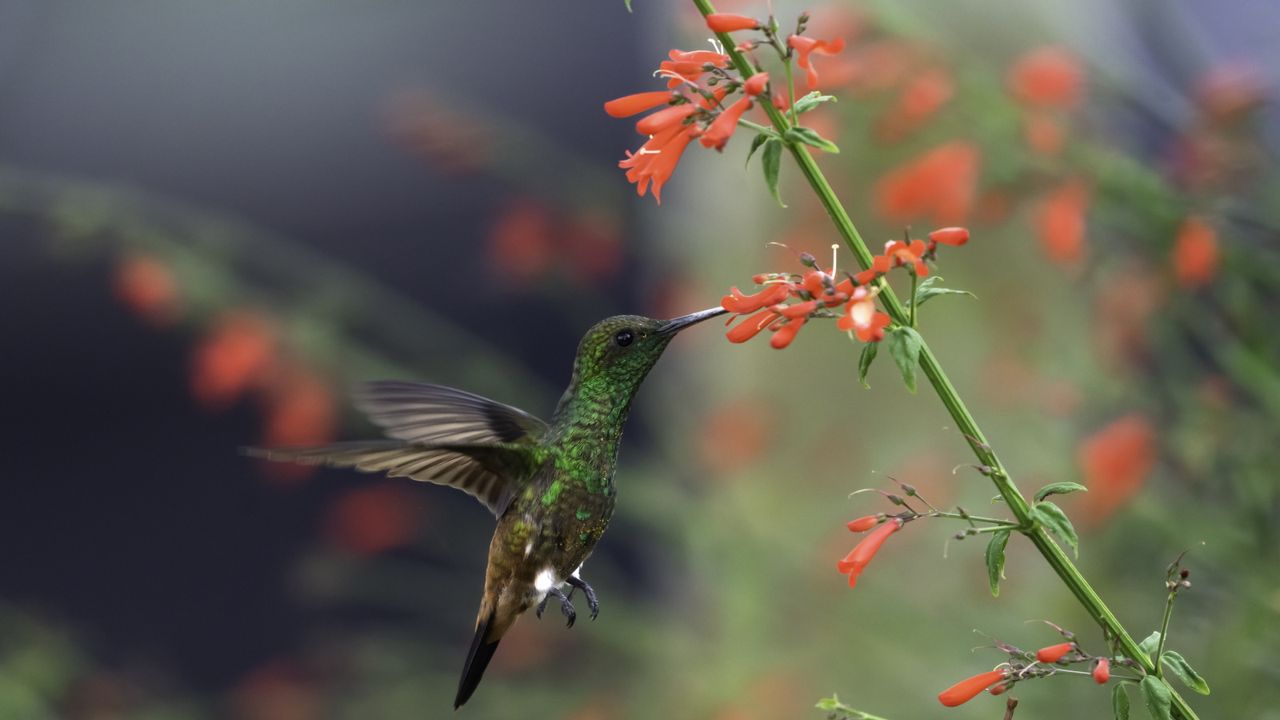
The best time to put out a hummingbird feeder depends on where you live – and what time of year it is. Each spring, hummingbirds migrate north from their wintering grounds in Mexico and Central America, and the timing of their arrival can vary by several weeks across the US.
In the southern states, the first hummingbirds may arrive as early as late February or March, while gardeners in the Midwest and Northeast typically won’t see them until April or even May. These long journeys are exhausting for such tiny birds, and early spring weather can be unpredictable, with cold snaps, storms, and limited natural food sources along the way.
If flowers that attract hummingbirds are yet to bloom, hanging your feeder out a week or two before hummingbirds usually arrive in your area ensures there’s a reliable source of nectar waiting for them when they get there – especially during cold or unsettled spring weather.
Using Migration Maps For Your Specific Area
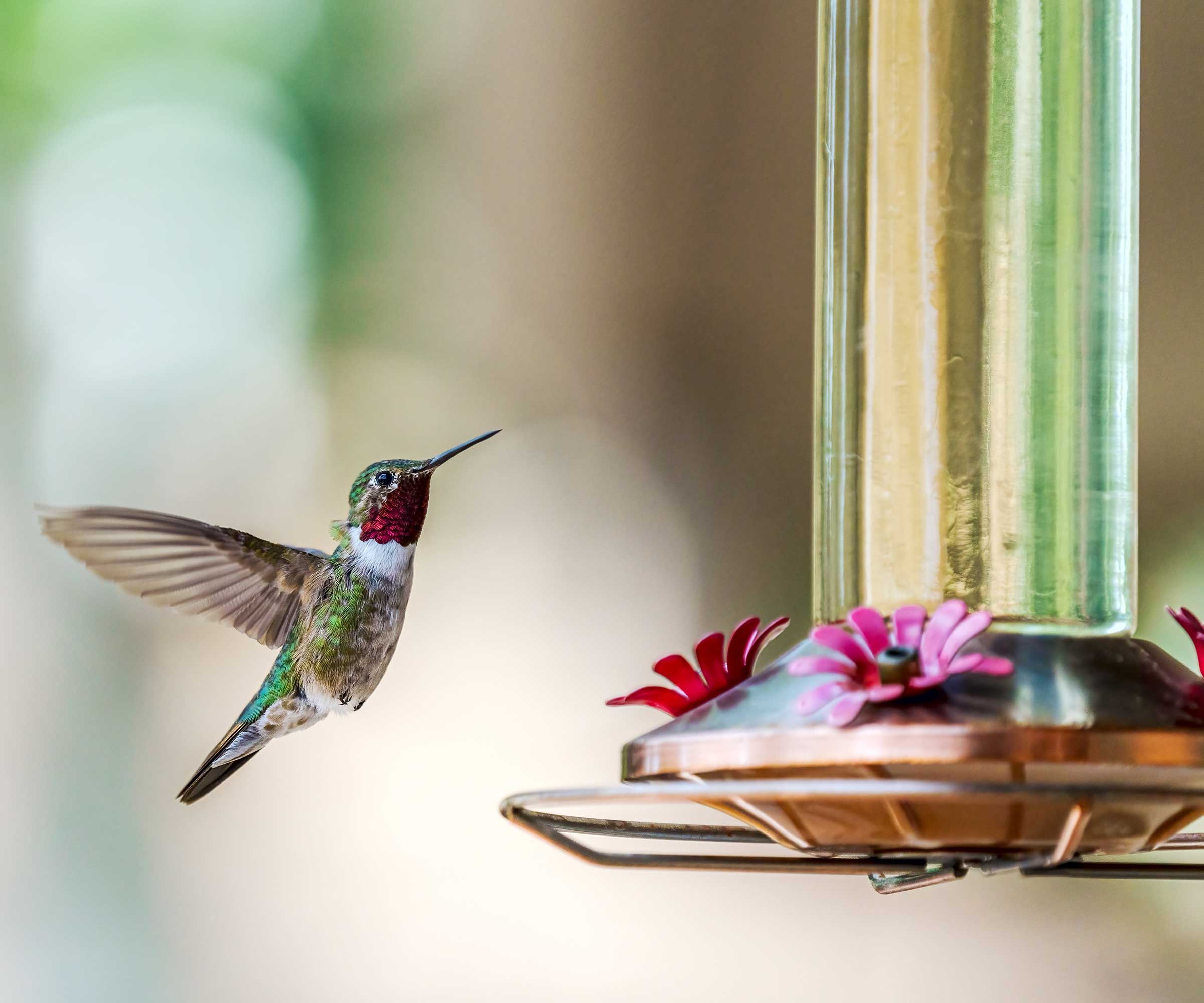
'After migration, hummingbirds are desperate to replenish their energy,' explains Tammy Poppie of birdwatching blog OnTheFeeder.com. 'In many areas, the flowers they rely on for nectar haven’t started blooming yet, so feeders can provide a valuable early-season food source.'
If you’re not sure when to expect these birds to return to your area, you can check a migration map, such as the one at Journey North, says Kelsey Waddell a backyard bird expert of Wildbirdscoop.com. Hummingbird Central is another example.
These maps allow you to see when hummingbirds were first sighted in your area last spring, and will give you a good idea of when to expect them to return. People can track hummingbird sightings for the current year, too.
Shop Hummingbird Feeders
This beautiful glass feeder has a vintage-style design and looks beautiful hanging from a hook or tree branch. Visiting birds can access the nectar via flower-shaped feeding ports.
For a solar hummingbird feeder camera to watch these ethereal birds feeding in your yard, you won't find better value than this model.
This glass hummingbird feeder with four feeding ports doubles up as gorgeous garden art, and there are 9 colorways available to choose between. What's more, cleaning and assembling it is easy.
Put Hummingbird Feeders Out Early
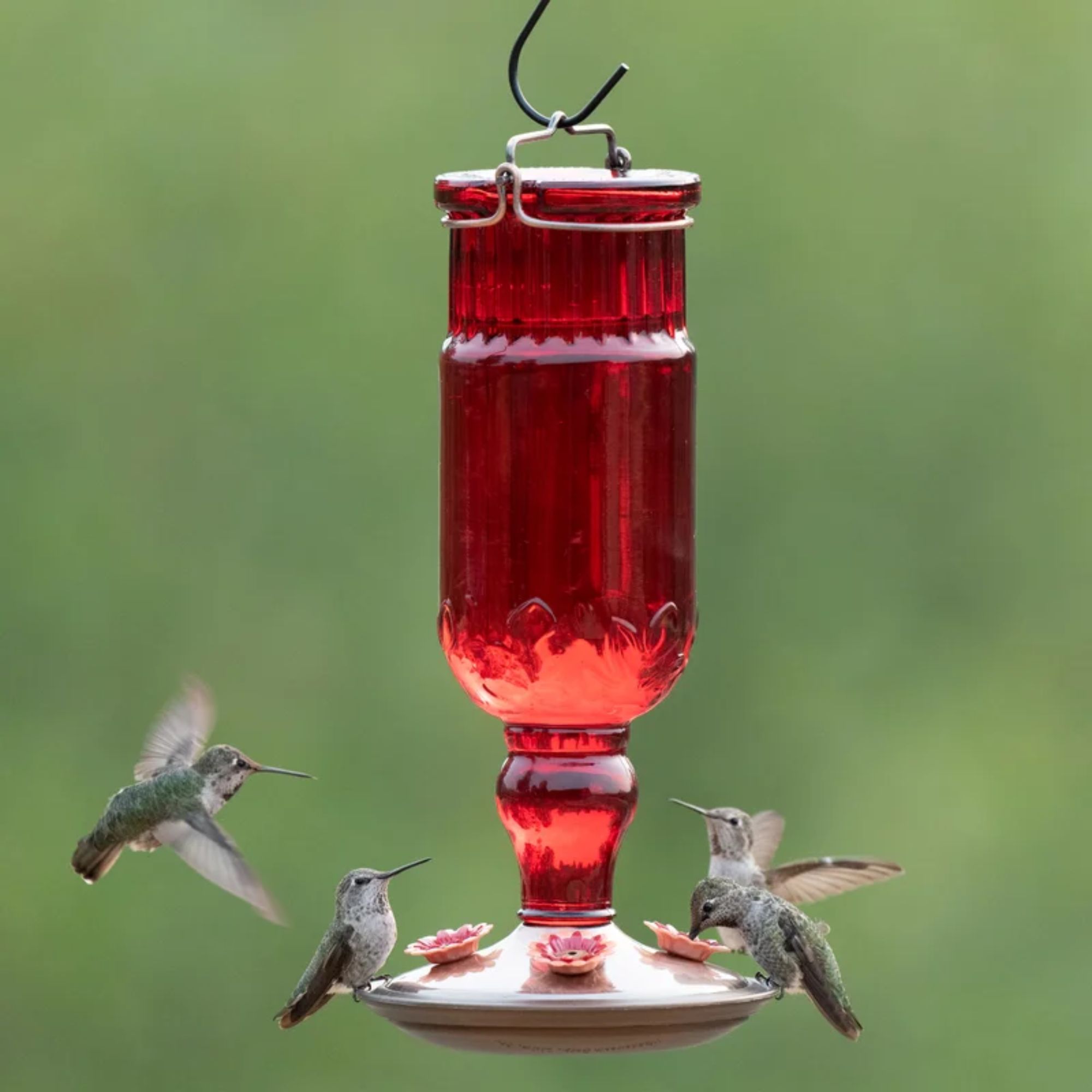
'It’s a good idea to set out your hummingbird feeder sooner than you expect the hummingbirds to return; around two weeks early is a good rule of thumb,' says Kelsey. 'This gives birds time to spot your feeder and build it into their daily routine.'
If you wait until you notice the first hummingbird in your yard, they may already be moving through the area and simply never clock your feeder as a reliable food source.
In 2026, timing a little earlier than usual could be especially helpful. Spring is shaping up to be uneven in many parts of the US, with lingering cool spells in northern and central regions and earlier warmth in parts of the South.
When spring weather stalls, natural nectar sources often lag behind migrating birds, creating a brief gap between arrival and bloom time. Putting feeders out ahead of schedule helps bridge that gap, offering an easy energy boost during cold snaps, storms, or late frosts.
To give hummingbirds the best chance of finding food, place your hummingbird feeder in a visible, sheltered spot near planting areas they already frequent.
Refresh nectar every few days (more often during warm spells), and clean hummingbird feeders regularly. Old sugar water ferments quickly and can deter birds – and sticky residue is more likely to attract insects than hummingbirds.
When to Put Out Feeders by Region
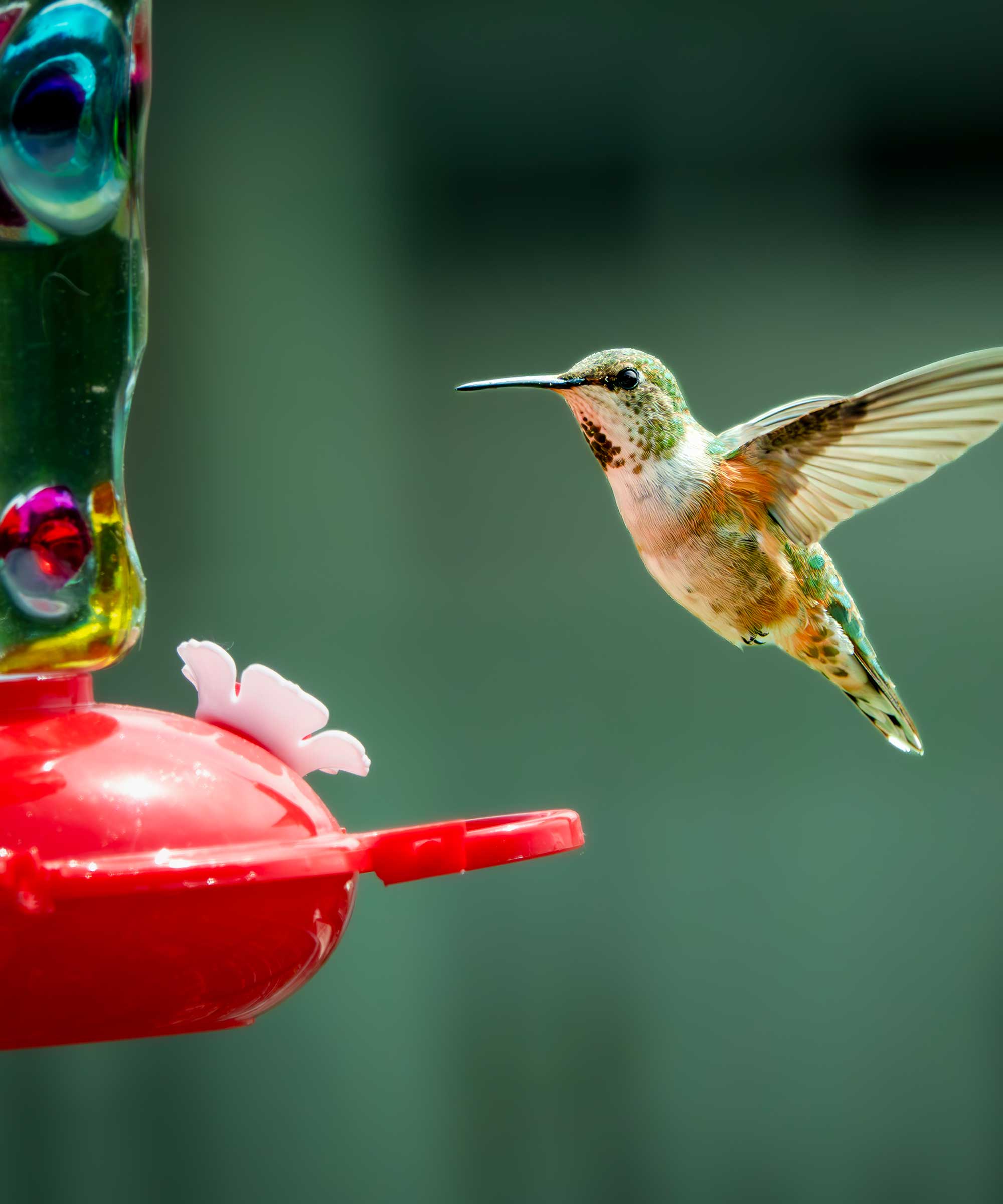
Southeast & Gulf States: Late February to early March
Hummingbirds are often among the first migrants to arrive here, with early sightings possible from late February into March. In warmer southern and coastal areas, some species may even appear sporadically through winter.
Earlier warm spells in parts of the Southeast could encourage early movement, so having feeders ready by the end of February is a smart move.
Mid-Atlantic: Late March
Spring arrival typically falls in late March through April, depending on how quickly temperatures rise. If cooler weather lingers into early April, feeders can be especially helpful before spring flowers fully open.
Midwest & Great Lakes: Early to mid-April
Hummingbirds usually appear from mid-April into early May, once nights begin to warm. In years when spring warms slowly, early-arriving birds may find fewer blooms, so setting feeders out at the earlier end of this window can make a noticeable difference.
Northeast & New England: Mid to late April
Arrival is often later here, with many gardeners spotting their first hummingbirds from late April into May. Late cold snaps can delay flowering, so having nectar available before leaves fully unfurl helps cover that early-season gap.
Mountain West & High Elevations: Late April (earlier at lower elevations, later in mountain zones)
Timing varies widely with elevation. Lower valleys may see hummingbirds in April, while mountain areas often don’t welcome them until May. Snowpack and cold nights can slow the return of insects and blooms, making feeders particularly useful in exposed or high-altitude gardens.
West Coast: Late February to March in California; March to April further north
Some hummingbirds are present year-round in parts of California, while migrating species move north through the West Coast in spring. Coastal areas often warm earlier than inland regions, so timing may differ even within the same state.
With a little planning – and an eye on the seasons where you live – putting out your hummingbird feeder at the right moment will attract hummingbirds and can turn your garden into a welcome rest stop for these tiny travelers.
Time it well, keep nectar fresh, and you’ll be rewarded with front-row seats to one of nature’s most joyful spring rituals.