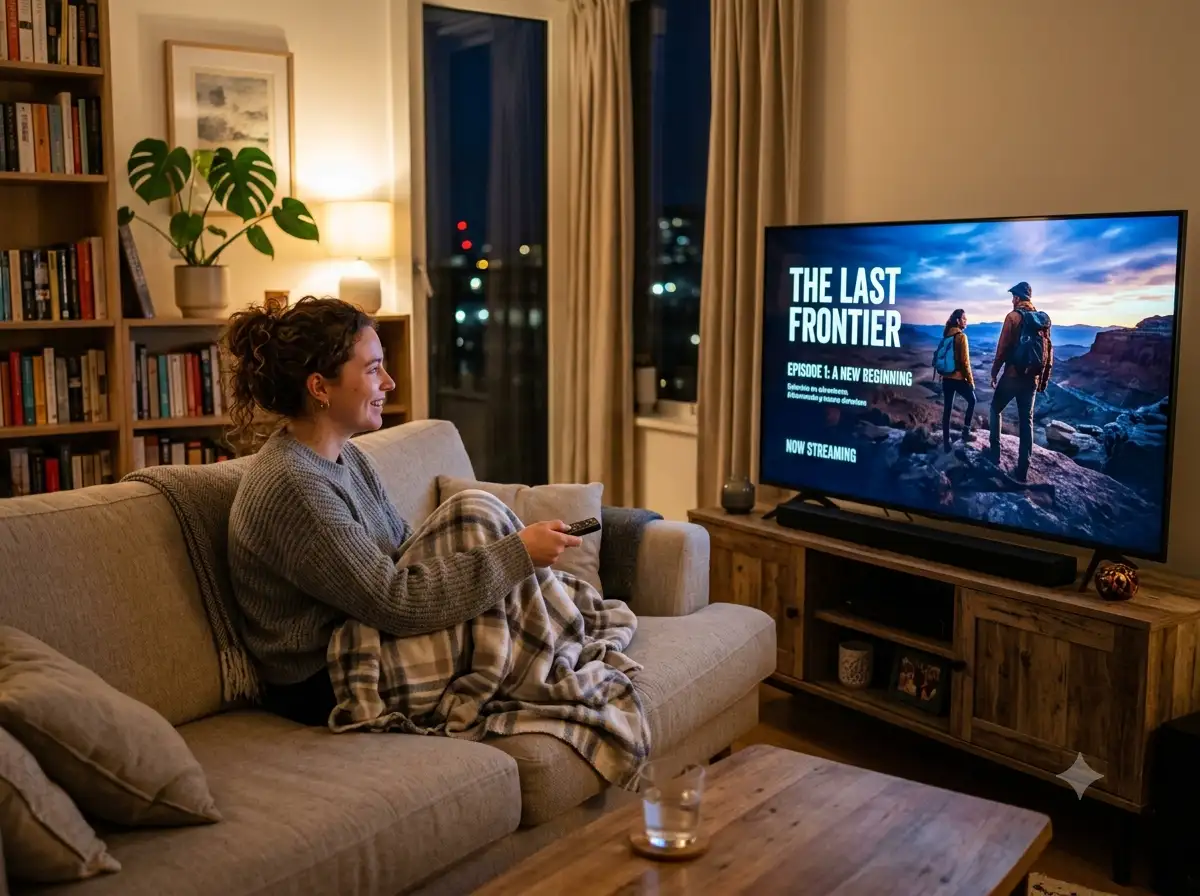
Psychology says people who watch daily soaps or binge watch new shows online aren't unnecessarily glued to TV. Many people spend hours following television serials or streaming platforms after work or during weekends. Psychology explains that entertainment often meets emotional, social, and mental needs. Some people enjoy familiar stories, while others seek excitement through long series. Watching multiple episodes does not automatically indicate a problem. The reasons behind this habit depend on personal experiences, emotions, routines, and lifestyle. Understanding why people enjoy daily soaps or binge watching helps explain how entertainment influences thoughts, emotions, habits, and decision-making in everyday life.
Psychology says people who watch daily soaps or binge watch new shows online aren't simply wasting time
Watching television has changed over the years. Earlier, people waited every day for a new episode. Today, streaming platforms allow viewers to watch several episodes at once. Psychology explains that many people continue watching because stories create emotional involvement and curiosity.
People often form connections with fictional characters. They become interested in unfinished stories and want to know what happens next. This keeps them watching for longer periods.
At the same time, psychology says that binge watching is not automatically unhealthy. The impact depends on how often it happens, how long it lasts, and whether it affects work, relationships, sleep, or health.
What psychology says?
Psychology suggests that entertainment fulfills different emotional needs. Watching daily soaps or online series may help people relax after work, reduce stress, or take a short mental break.
Some people enjoy predictable stories because they provide comfort. Others prefer suspense or drama because it keeps their minds engaged. Emotional storytelling allows viewers to experience different situations without facing real-life risks.
Psychologists also explain that people often return to familiar shows because familiar stories reduce mental effort. Knowing the characters and settings creates a feeling of comfort.
What does this mean?
This behavior does not always mean someone is avoiding responsibilities or escaping reality. Instead, it may indicate that the person is looking for relaxation after a busy day. Many people use entertainment in the same way others read books, listen to music, or play games.
However, if someone spends so much time watching shows that daily responsibilities, sleep, work, studies, or relationships begin to suffer, the habit may require attention. The meaning of binge watching depends on balance rather than the number of episodes watched.
Why is it done?
People watch daily soaps or binge watch for many different reasons.
- One common reason is curiosity. Most television series end episodes with unanswered questions. This encourages viewers to continue watching.
- Another reason is emotional attachment. People become interested in the lives of fictional characters and want to see how their stories develop.
- Routine also plays a role. Many families have watched daily soaps together for years. The habit becomes part of everyday life.
- Some viewers also use television as a way to relax after completing work or household responsibilities.
Streaming services make continuous viewing easy because the next episode starts automatically. This reduces interruptions and encourages longer viewing sessions.
Which psychology theory explains this behavior?
One theory that helps explain this behavior is the Uses and Gratifications Theory. This theory states that people actively choose media based on their personal needs rather than watching without purpose.
According to this theory, people watch television or online shows to:
- Relax after stressful situations.
- Feel entertained.
- Learn about different experiences.
- Connect emotionally with stories.
- Spend leisure time.
- Escape boredom for a short period.
Another concept linked to binge watching is the Zeigarnik Effect. This psychological principle suggests that people remember unfinished tasks or incomplete stories more than completed ones. When an episode ends with unanswered questions, viewers naturally want to continue until the story reaches a conclusion.
The principle behind it
Human brains naturally enjoy stories. Stories create emotional engagement. Every episode introduces problems, relationships, and conflicts. The brain becomes interested in finding solutions. Reward systems inside the brain may also contribute. Every completed episode brings satisfaction, while cliffhangers create anticipation for the next one.
Streaming platforms support this process by making the next episode available immediately. This removes waiting time and increases continuous viewing. Psychology explains that habits become stronger when actions are easy to repeat and provide emotional satisfaction.
What can people learn from this?
Entertainment is a normal part of life. The important lesson is balance. Watching favorite shows can help people relax, laugh, learn, or spend time with family. People can enjoy entertainment while also maintaining healthy routines.
Simple habits may help, including:
- Setting a viewing limit.
- Taking breaks between episodes.
- Getting enough sleep.
- Completing important work before watching.
- Spending time with family and friends.
- Including physical activity during the day.
These habits allow people to enjoy entertainment without allowing it to control their schedule.
Life lessons from this behavior
Daily soaps and online series show that people naturally connect with stories.
This behavior teaches several life lessons:
- People seek emotional connection even through fictional characters.
- Stories help people understand different viewpoints and situations.
- Relaxation is important, but balance matters more.
- Habits become stronger when repeated regularly.
- Technology makes entertainment more accessible, so self-control becomes more important.
- People should enjoy leisure activities without neglecting responsibilities.
Psychology reminds us that entertainment itself is not the problem. The way people manage their time determines whether the habit remains healthy.