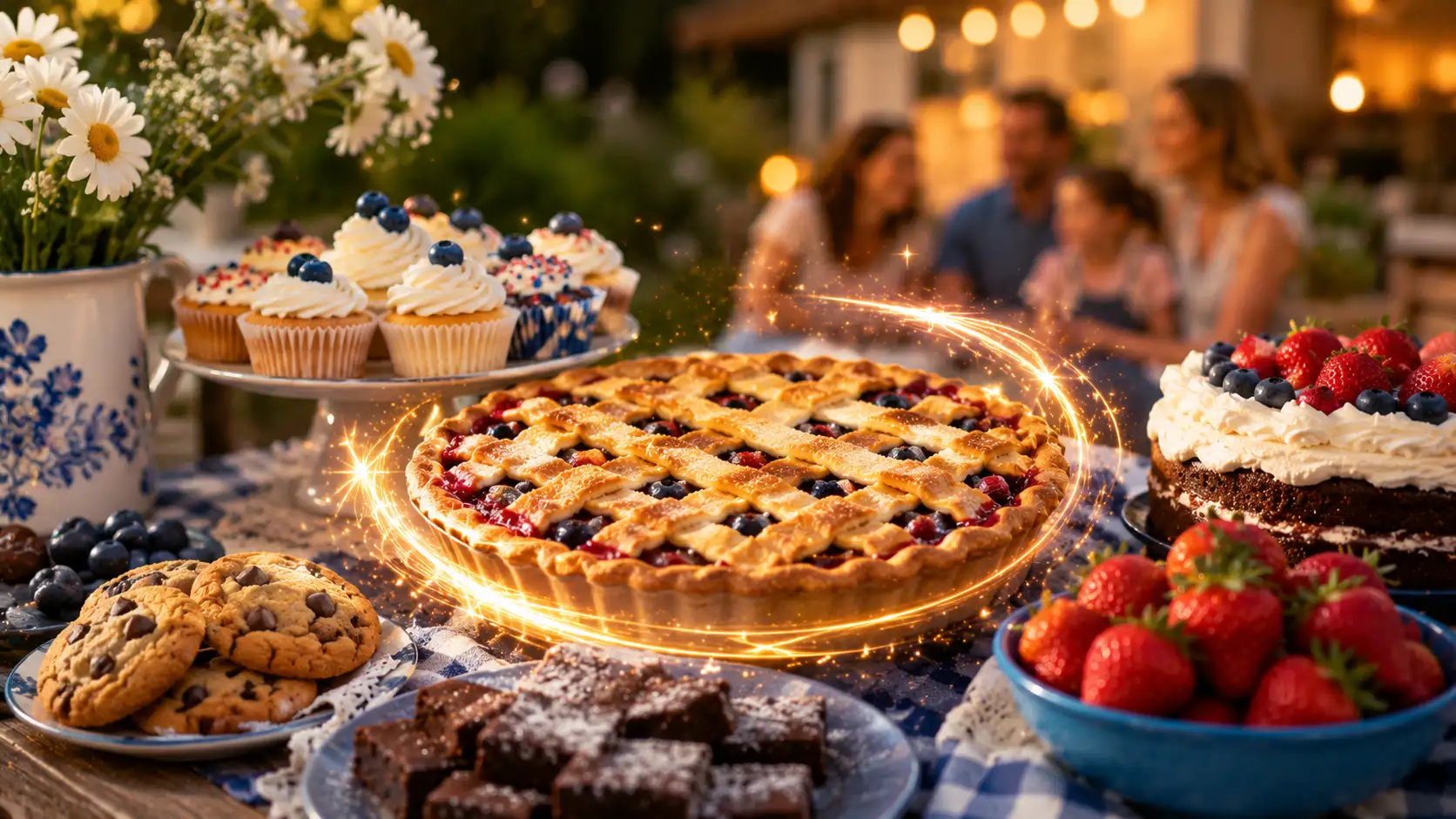
Every Fourth of July, many families prepare the same desserts they've made for years. Apple pie, berry cobbler, peach pie, homemade ice cream, cookies, or family recipes passed down through generations often appear on the table alongside barbecue favorites. Some people happily spend hours baking, even though buying dessert from a store would be much faster.
At first glance, it may seem like they're simply picky about taste. Psychology suggests there may be something much deeper happening. Homemade food often becomes connected with family identity, meaningful traditions, and emotionally significant memories, as per various research reports. Over time, preparing the same desserts every year can strengthen relationships and help families feel connected across generations.
That doesn't mean everyone prefers homemade desserts for psychological reasons. Some simply enjoy baking or like the taste better. Still, several well-established psychological theories help explain why homemade holiday desserts often carry emotional meaning far beyond the recipe itself.
Family rituals create lasting emotional bonds
One of the strongest explanations comes from research on the psychology of Rituals. Psychologists have found that family rituals create predictability, strengthen relationships, and give important events greater emotional significance. Making the same dessert every Fourth of July becomes more than cooking. It becomes a family tradition.
Imagine grandparents teaching grandchildren how to make a pie using a recipe that's been shared for decades. The activity itself becomes part of the celebration, regardless of how perfect the dessert turns out.
Nostalgia brings the past into the present
Another explanation comes from research on Nostalgia. Psychologists have found that nostalgic memories often increase positive emotions, strengthen feelings of belonging, and help people maintain a sense of continuity during life's changes. The smell of a pie baking or fresh cookies cooling on the counter may immediately remind someone of childhood Independence Day celebrations.
A single bite can bring back memories of family gatherings, backyard games, fireworks, and loved ones who may no longer be present. The dessert becomes a bridge between past and present.
Shared cooking strengthens relationships
Researchers studying Communal Relationships Theory, developed by psychologists Margaret Clark and Judd Mills, suggest that people in close relationships often care for one another without expecting something in return.
Preparing homemade desserts requires time, effort, and planning. Those actions communicate affection. For example, a parent who spends the morning baking a favorite family dessert is often expressing care through actions rather than words. The finished dessert becomes a visible symbol of generosity and connection.
Social learning keeps traditions alive
Another explanation comes from Social Learning Theory, developed by psychologist Albert Bandura. People learn many everyday behaviors by observing family members. A child who grows up watching parents or grandparents prepare homemade desserts each Fourth of July often carries the tradition into adulthood.
Years later, they may find themselves teaching the same recipe to their own children. The behavior becomes part of the family's identity.
The effort itself adds value
Psychologists have also described what's known as the IKEA Effect, researched by Michael Norton, Daniel Mochon, and Dan Ariely. The IKEA Effect suggests people often value things more when they have invested effort in creating them.
Homemade desserts illustrate this idea well. Even if a pie isn't bakery-perfect, family members may value it more because someone they love invested time and care in making it. The emotional investment becomes part of the experience.
Shared meals create stronger memories
Research consistently shows that shared meals help strengthen social bonds. Holiday desserts often mark the end of celebrations, when families gather around the table, tell stories, laugh, and reflect on the day.
Imagine several generations sharing homemade berry pie after watching fireworks together. Years later, people may remember those conversations as vividly as they remember the dessert itself. The food becomes part of the memory rather than the entire focus.
Homemade desserts aren't just about avoiding store-bought food
A common misconception is that people insist on homemade desserts because they think store-bought versions aren't good enough. Psychology suggests a broader explanation. Many people associate homemade desserts with love, tradition, family identity, and meaningful shared experiences. The recipe carries emotional significance that can't easily be replaced by convenience.
Psychology suggests that people who insist on homemade desserts every Fourth of July aren't simply choosing one dessert over another.
Research on ritual psychology, nostalgia, Communal Relationships Theory, Social Learning Theory, the IKEA Effect, and shared meals suggests that homemade recipes help preserve family traditions and strengthen emotional connections. For many families, the dessert isn't just the final course, it's one of the sweetest ways of keeping cherished memories alive.
FAQs
Why do some families always make homemade desserts on the Fourth of July?
Psychologists say homemade desserts often become part of meaningful family rituals that strengthen emotional bonds and preserve traditions.
Why do homemade desserts feel more special than store-bought ones?
People often attach emotional value to foods connected with family memories, shared effort, and meaningful experiences.