
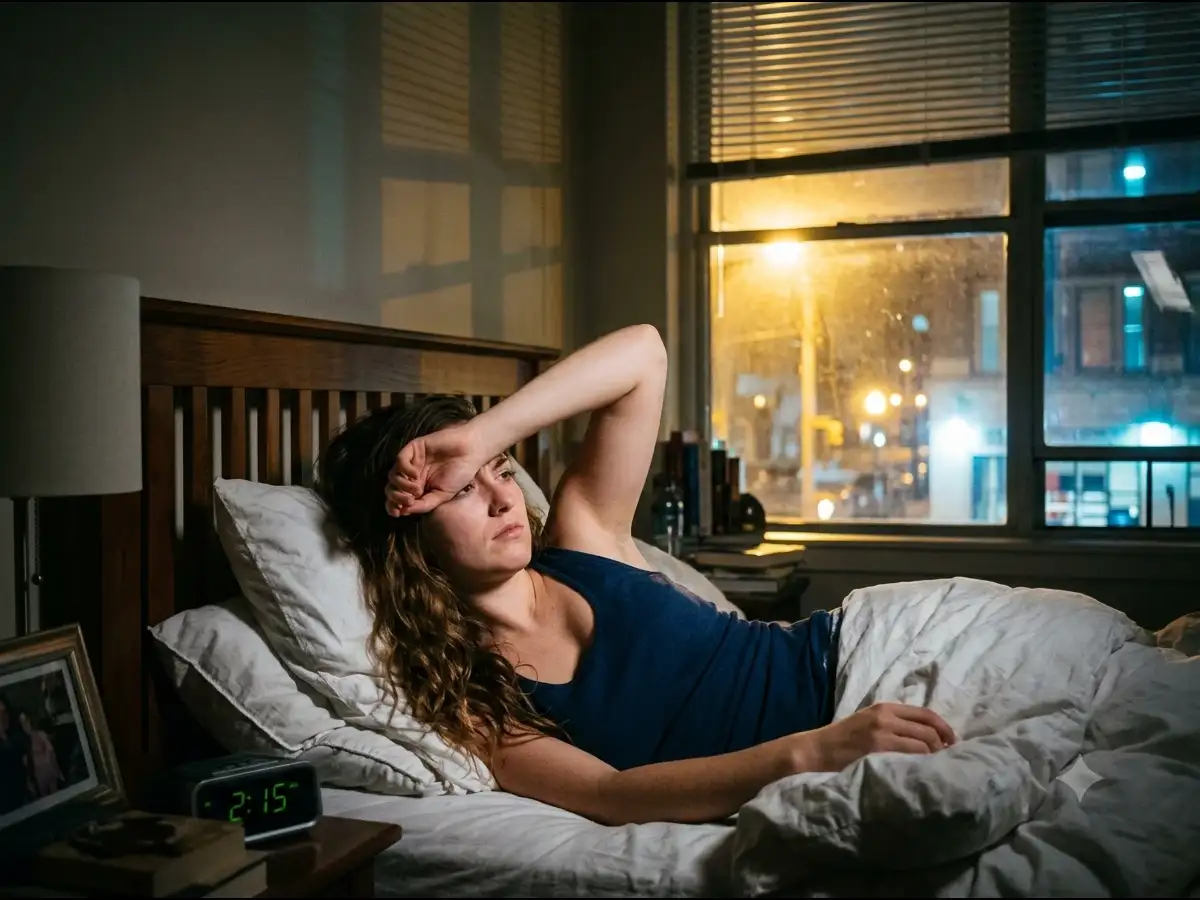
Psychology says people who can't sleep with light on aren't necessarily dealing with a fear of the dark. Their preference for complete darkness may be connected to the way their brain processes light, sound and other signals while they prepare for sleep. For some people, even a small amount of light can make it harder to relax. Darkness can create a clear boundary between the outside environment and the sleeping space. This can reduce sensory input and help the brain move from alertness to rest. Sleep habits can therefore provide clues about how a person responds to safety, control, predictability and changes in their surroundings.














